
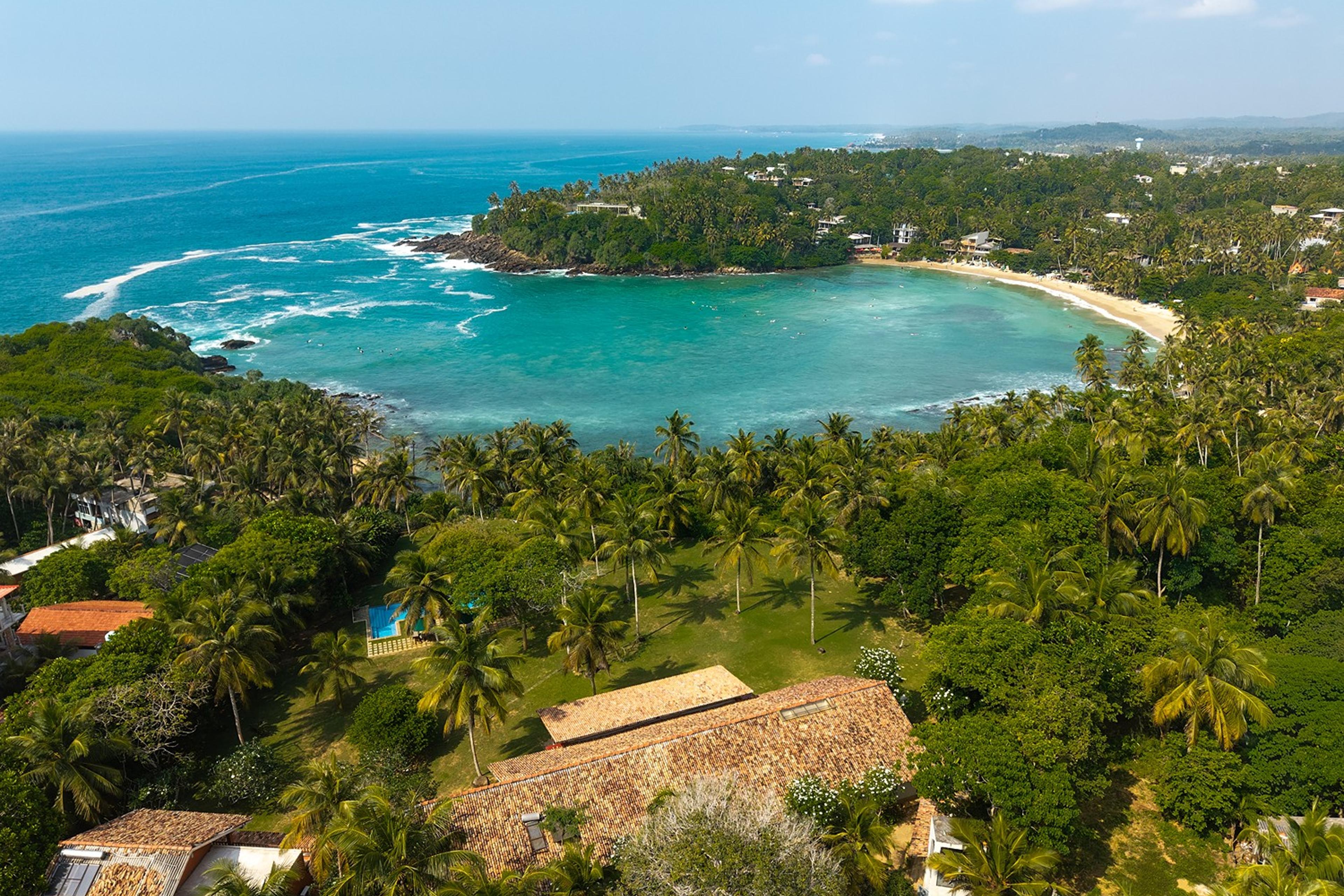
What a villa does that a surf camp cannot
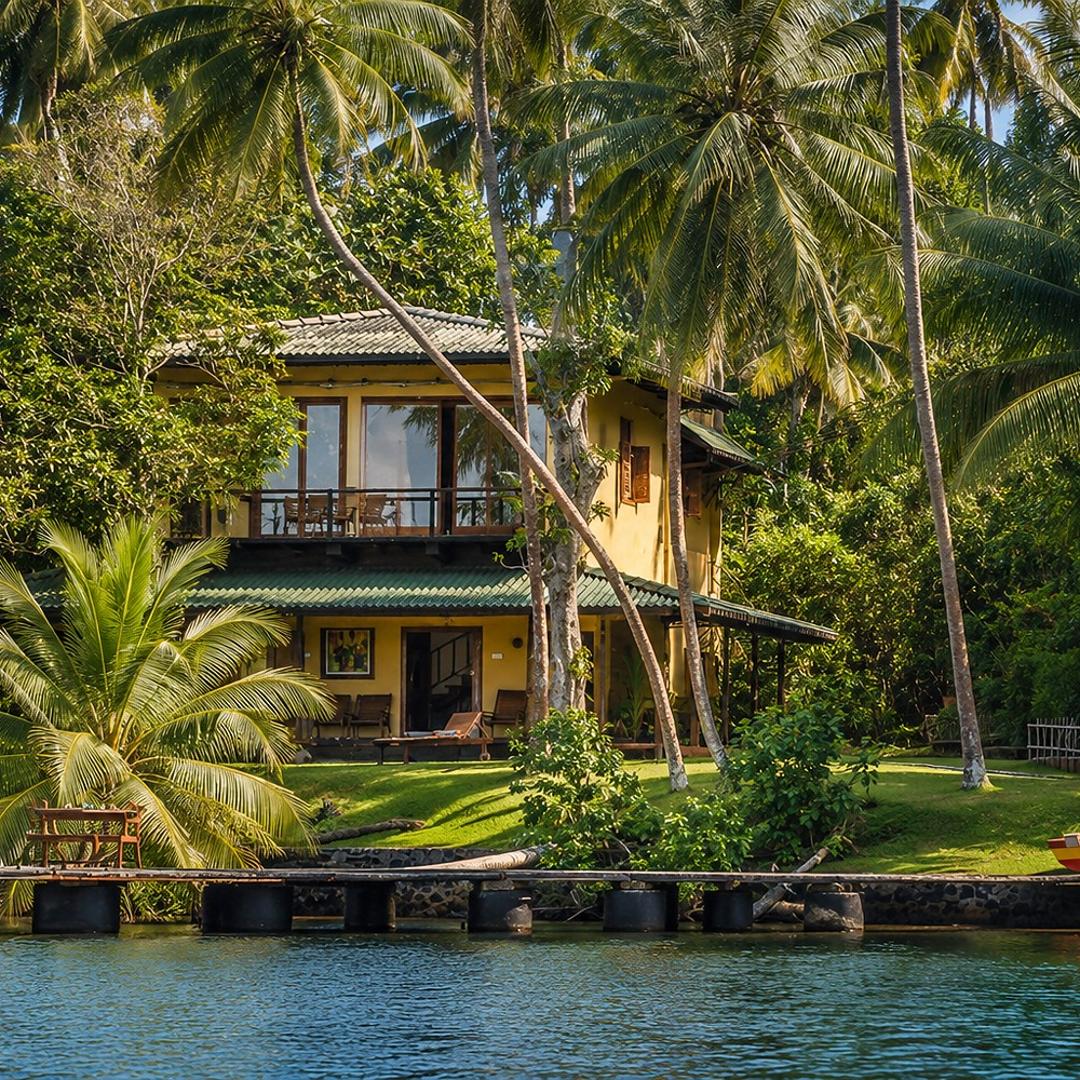
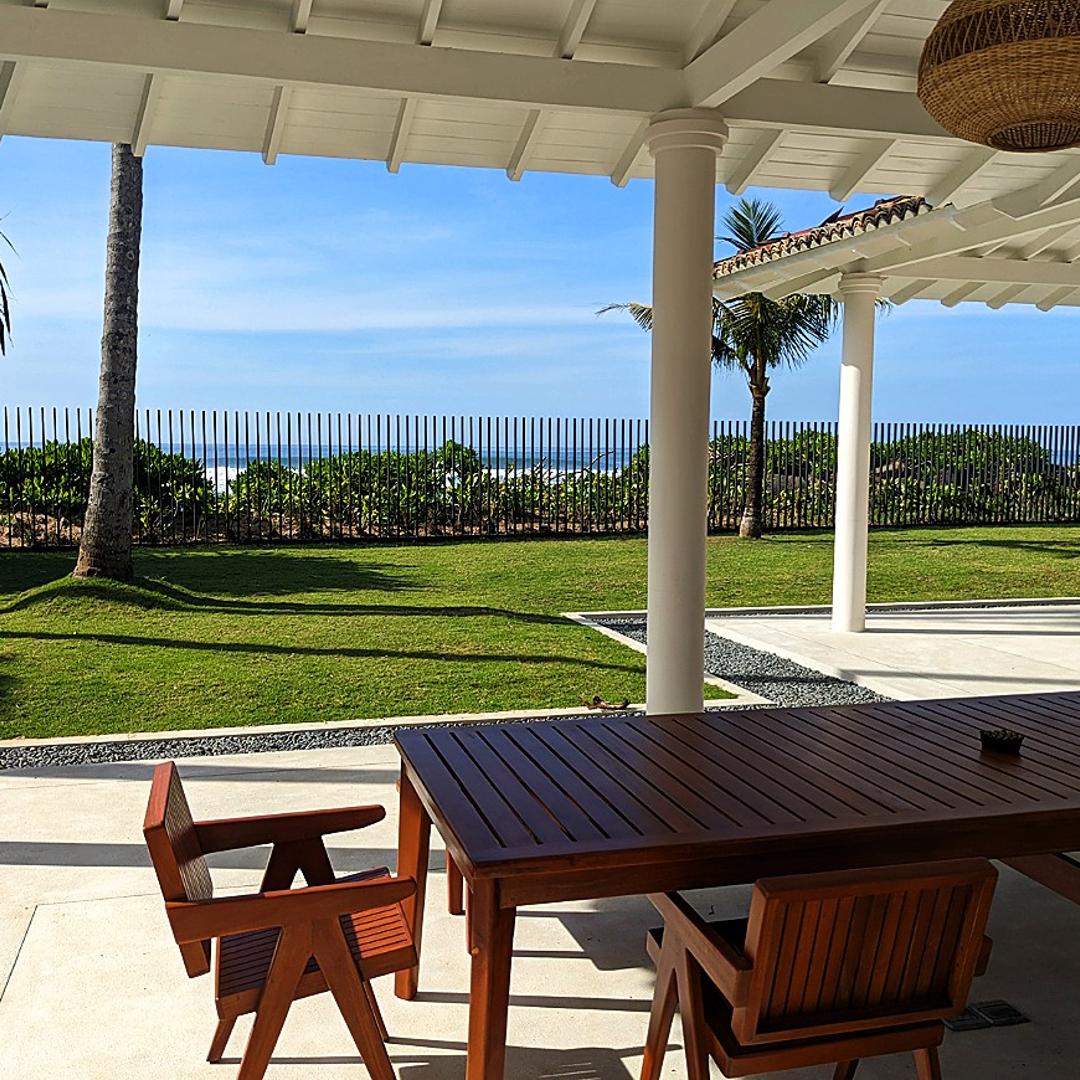
A surf trip runs on the tide and the wind, not on a breakfast service. In a house of your own the first session is at six because the water is glassy at six, and the cook has eggs and fruit on the table when you walk back up the garden at nine. Boards lean against the veranda, rash vests dry on the line, and nobody minds sand on the steps.
What a surf camp gives instead is a coach in the water every morning, a van to the break of the day and a group of people at your level. If this is your first time on a board, that structure is worth a great deal, and a week of lessons is the right way to start. A villa does not rule it out: instructors are easy to find along this coast, and lessons can be booked for the mornings so the rest of the day is the house.
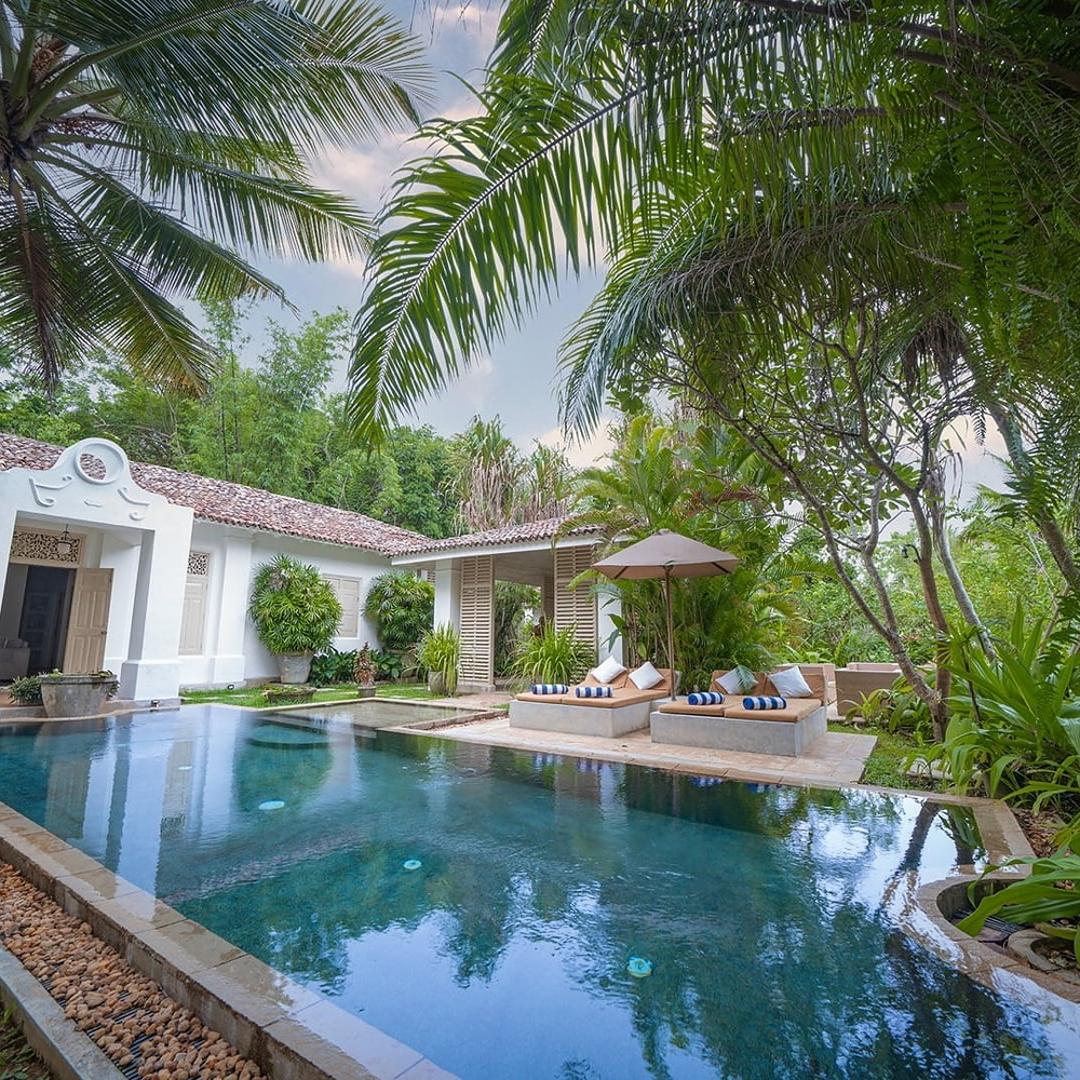
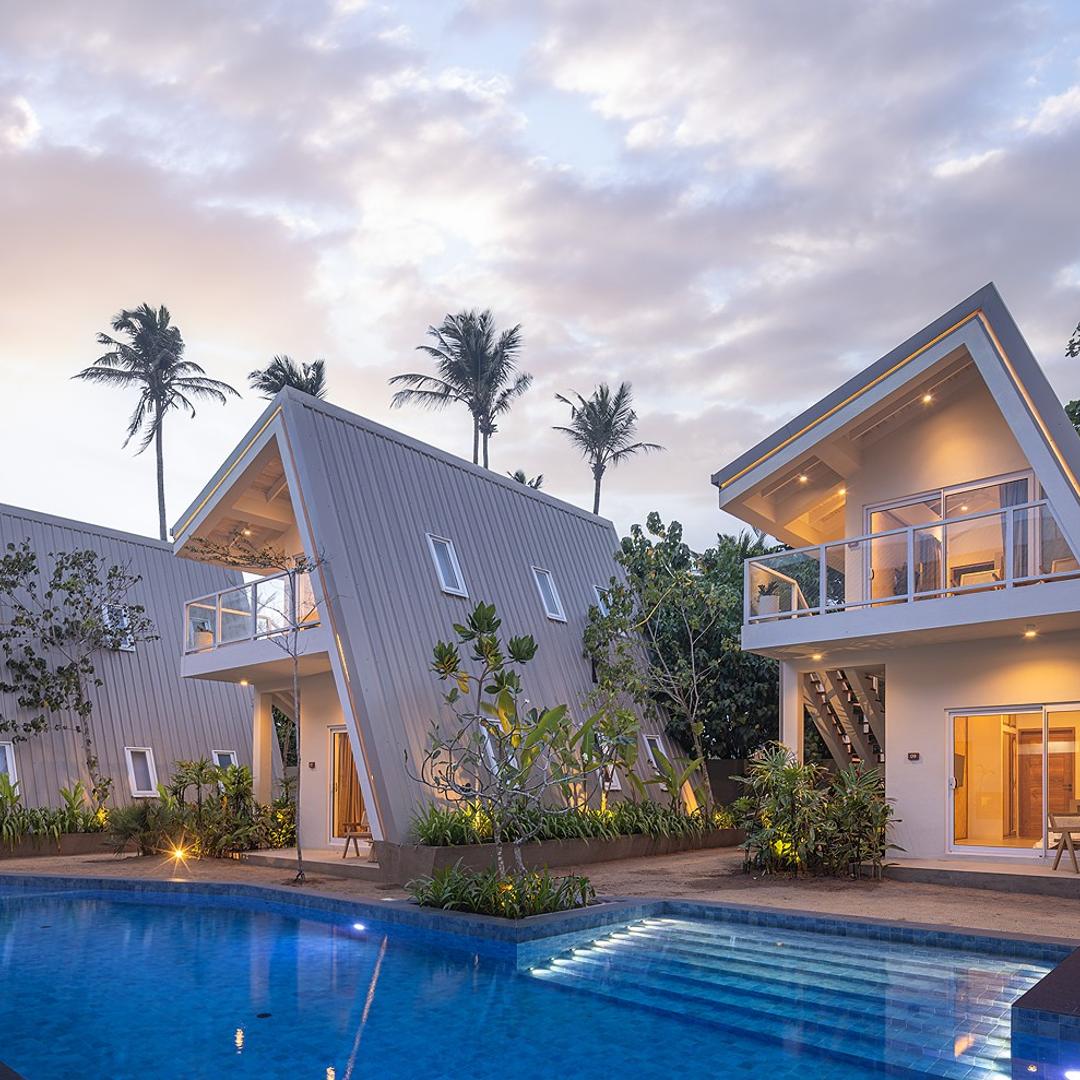
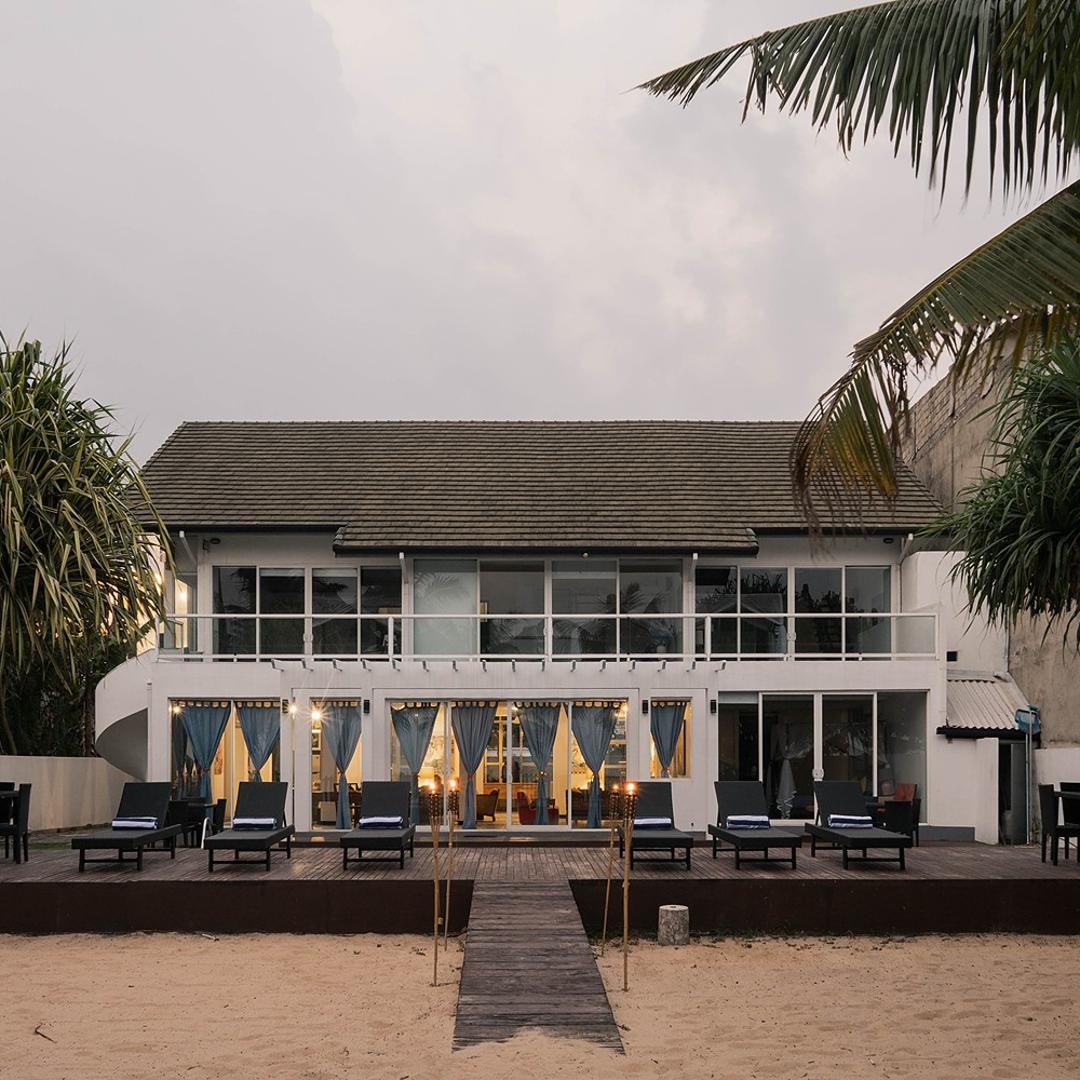
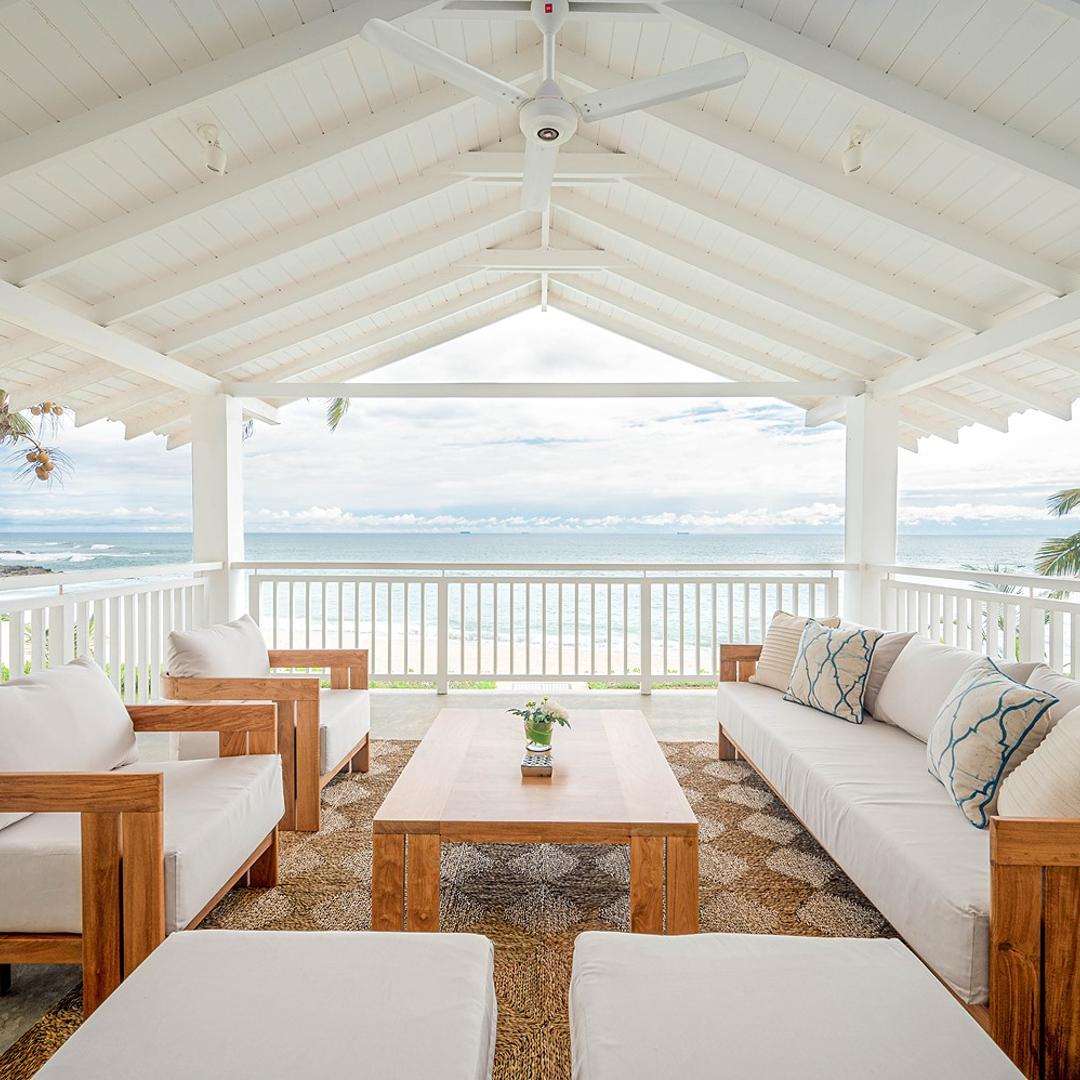
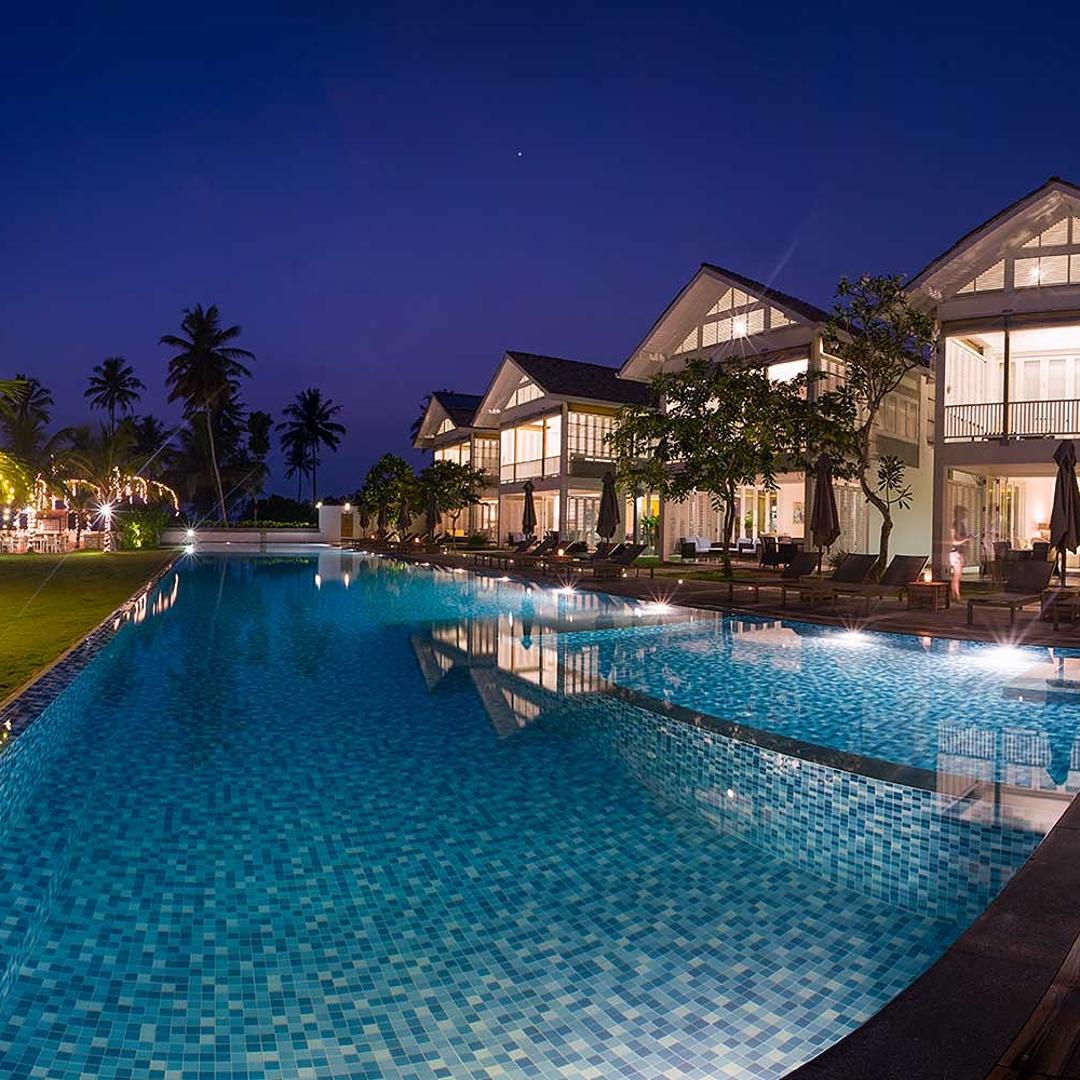
Where a villa wins is the group that is not all surfers. One of you wants the reef at dawn, someone else wants the pool and a book, and the children want the shallow end. A house holds all of that in a way a surf camp is not built to, and that is the trip this page is about.
31 villas within reach of a break
Grouped by stretch of coast, west to east, from the first surf town to the last
Surf villas in Hikkaduwa
The island's original surf town, with a beach break to learn on and faster reefs beyond it.
More about this area
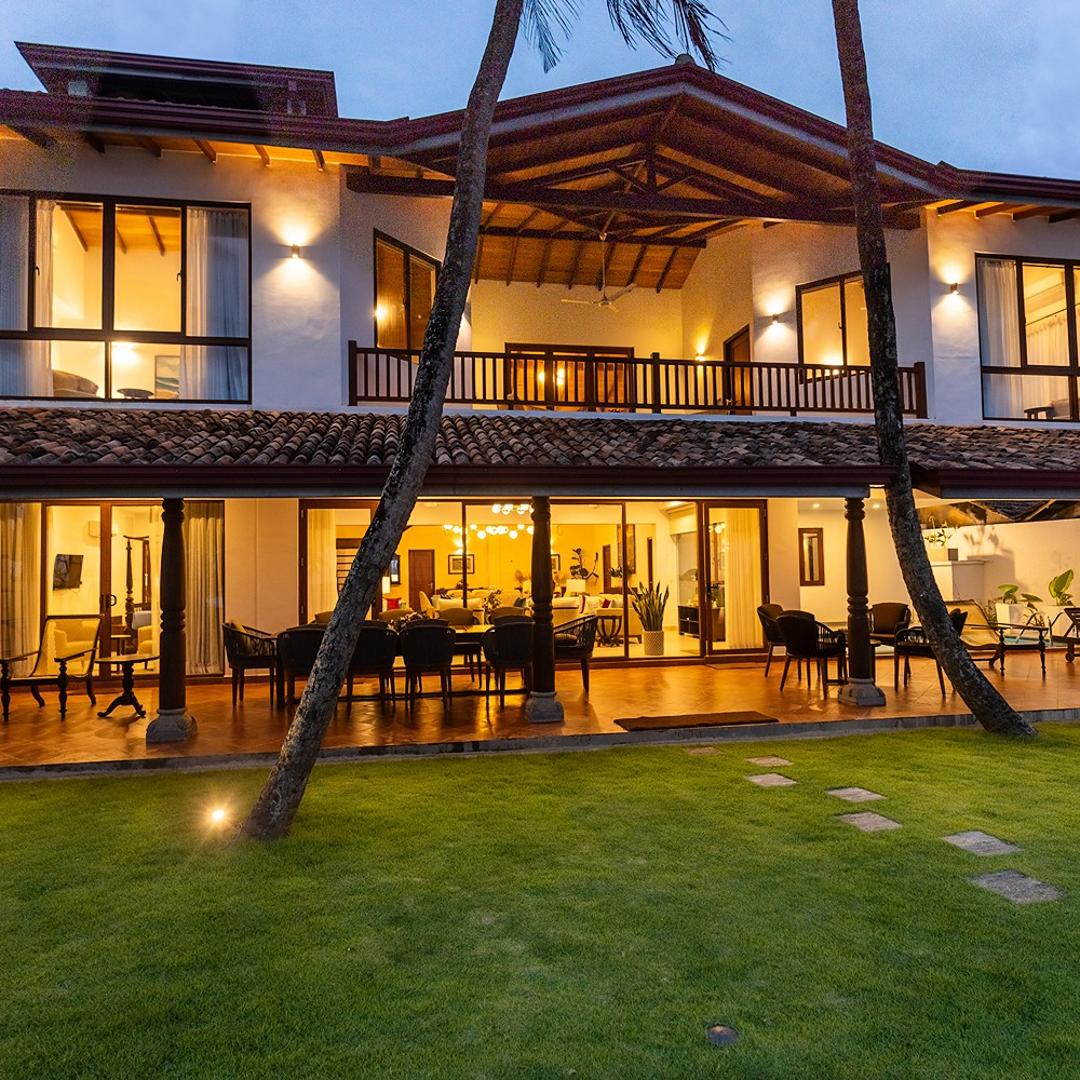


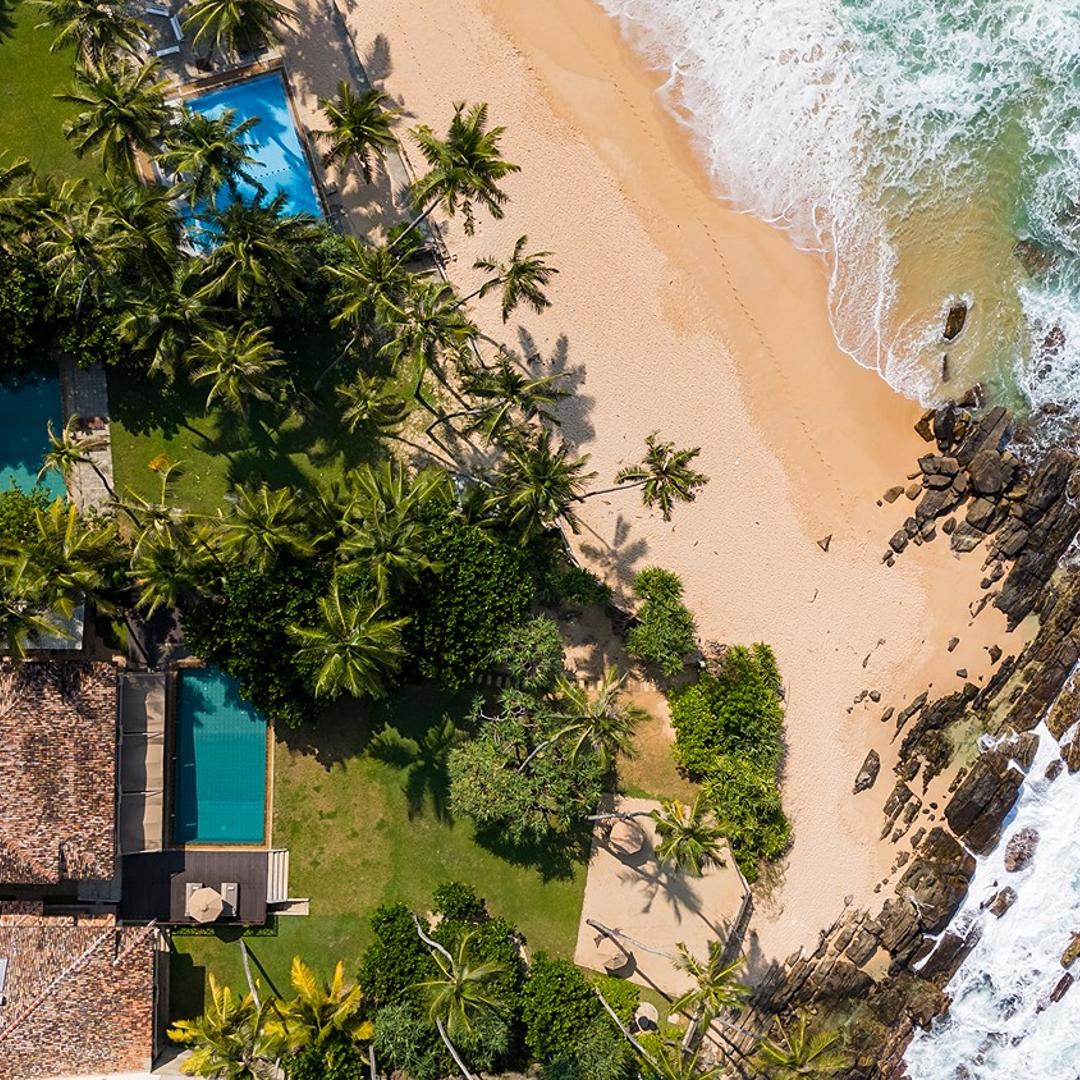
Surf villas in Unawatuna, Dalawella and Talpe
Dewata's soft beach break is a few minutes north, and the Ahangama reefs a short drive east.
More about this area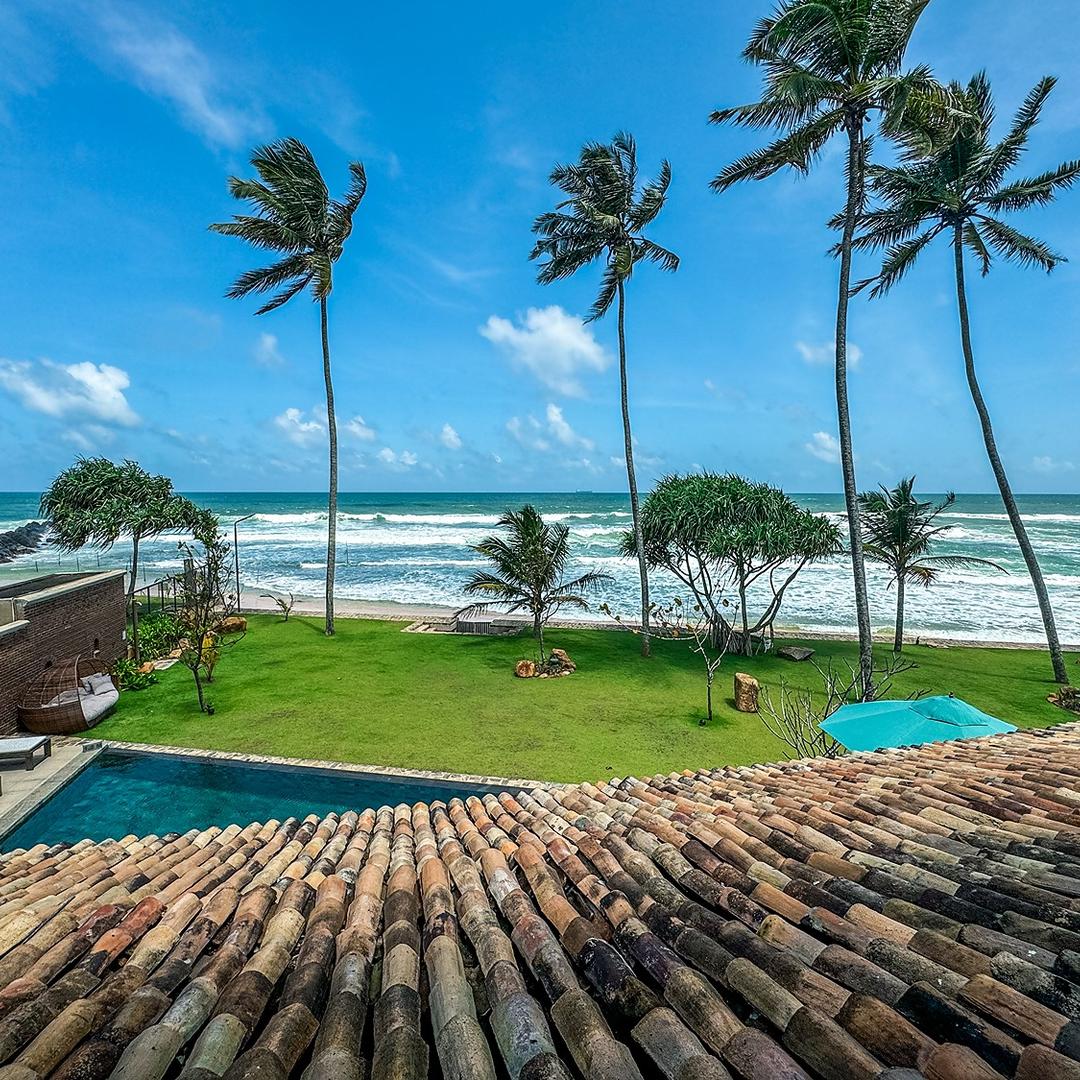
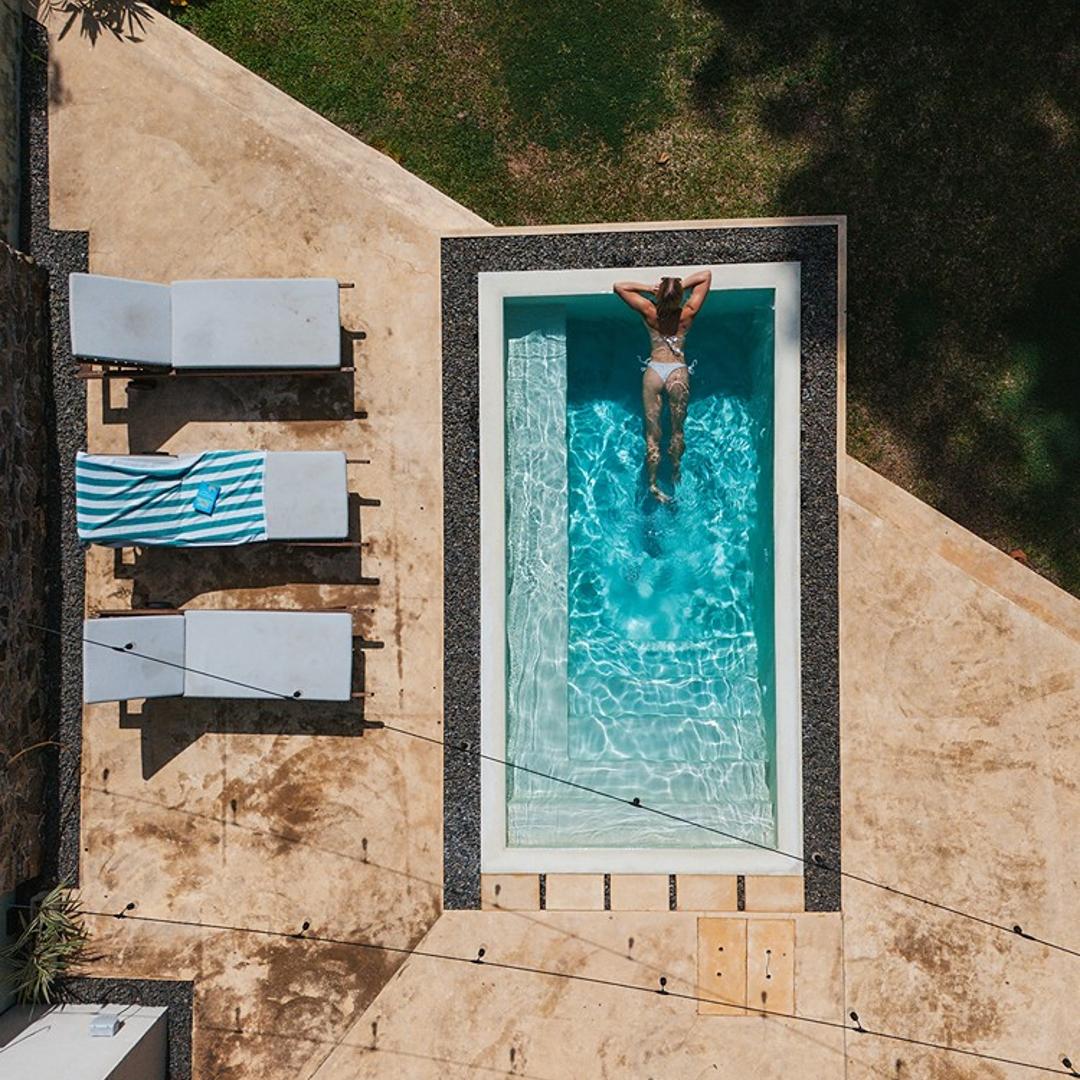
Surf villas in Habaraduwa and Koggala
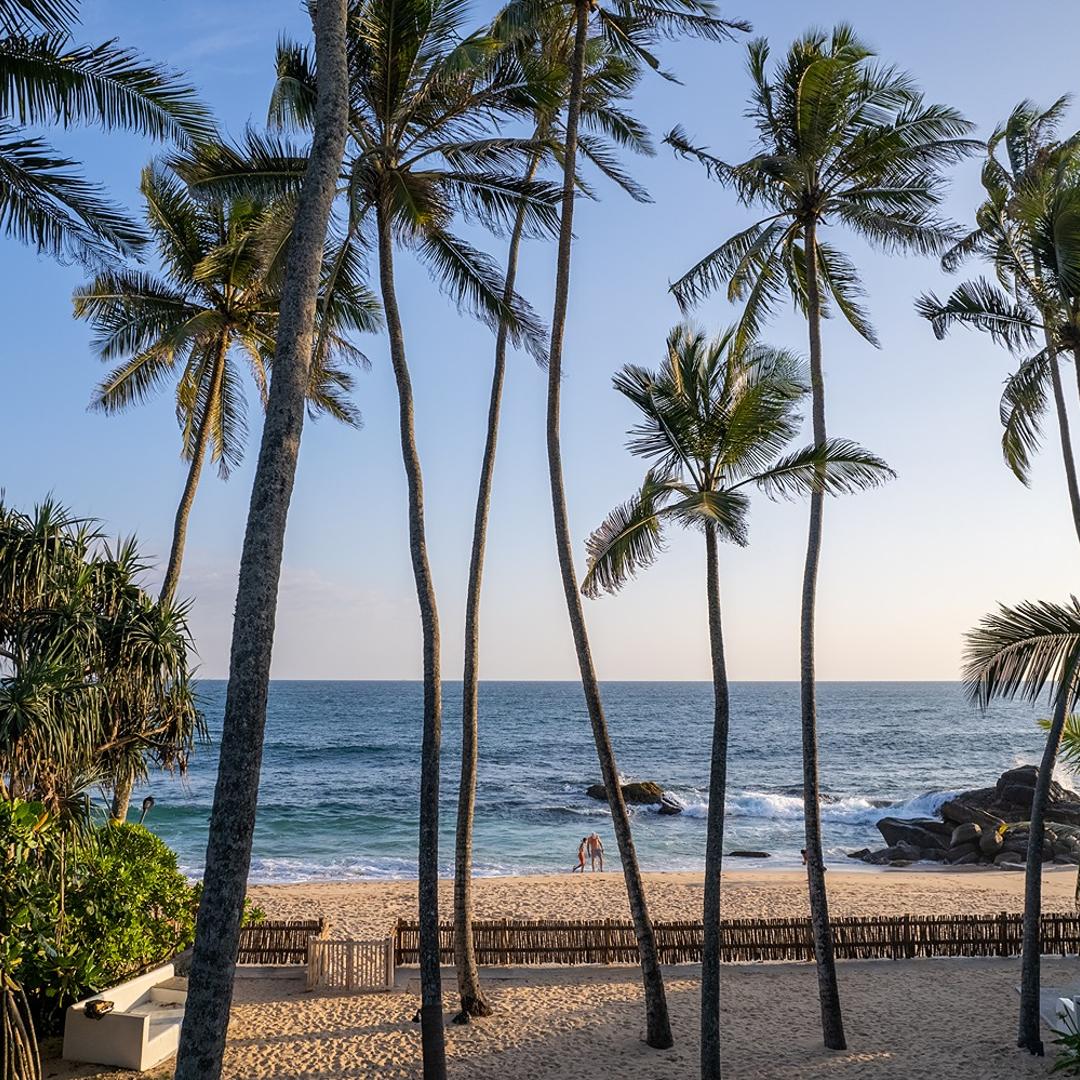
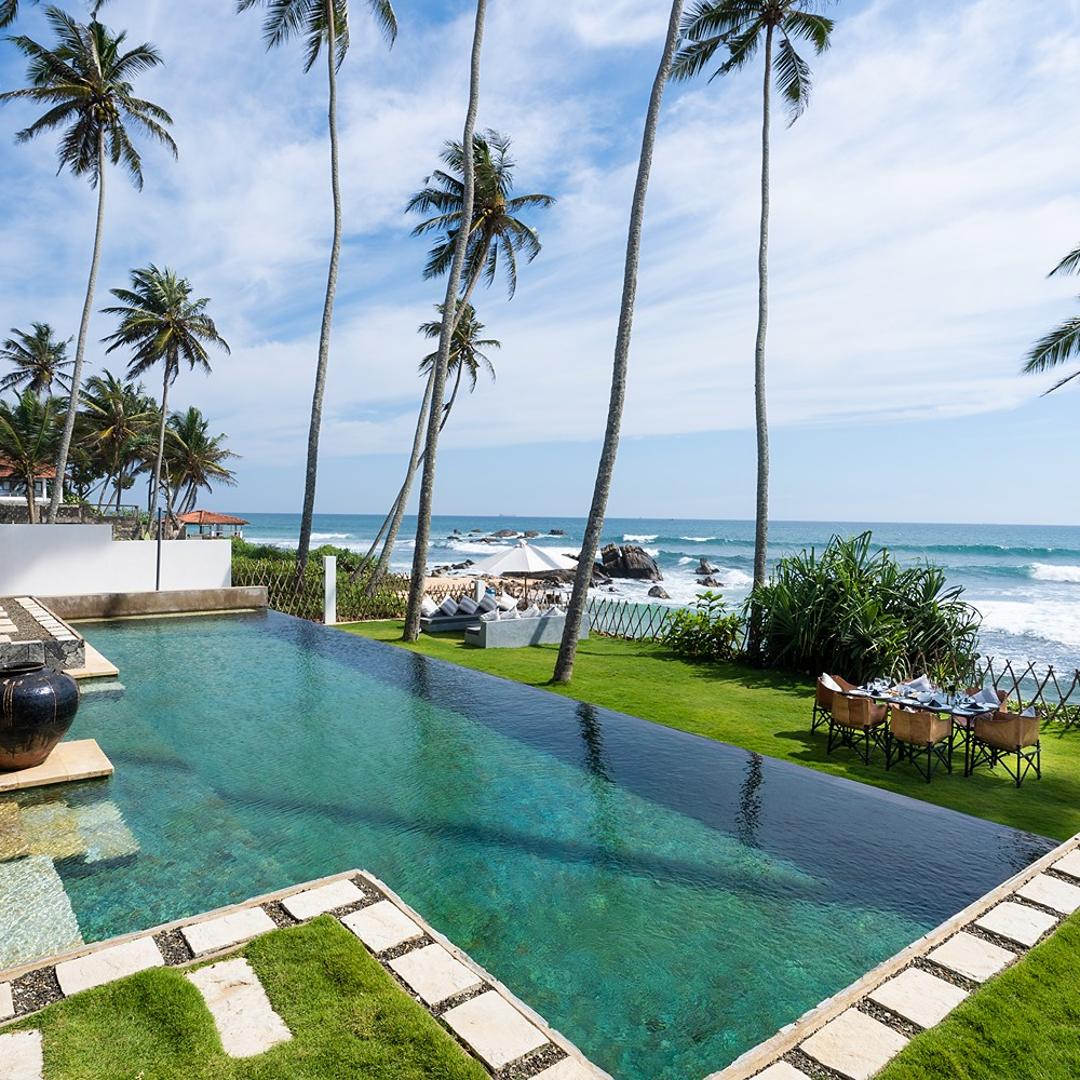
Between Galle and Ahangama, close enough to both to choose the wave each morning.
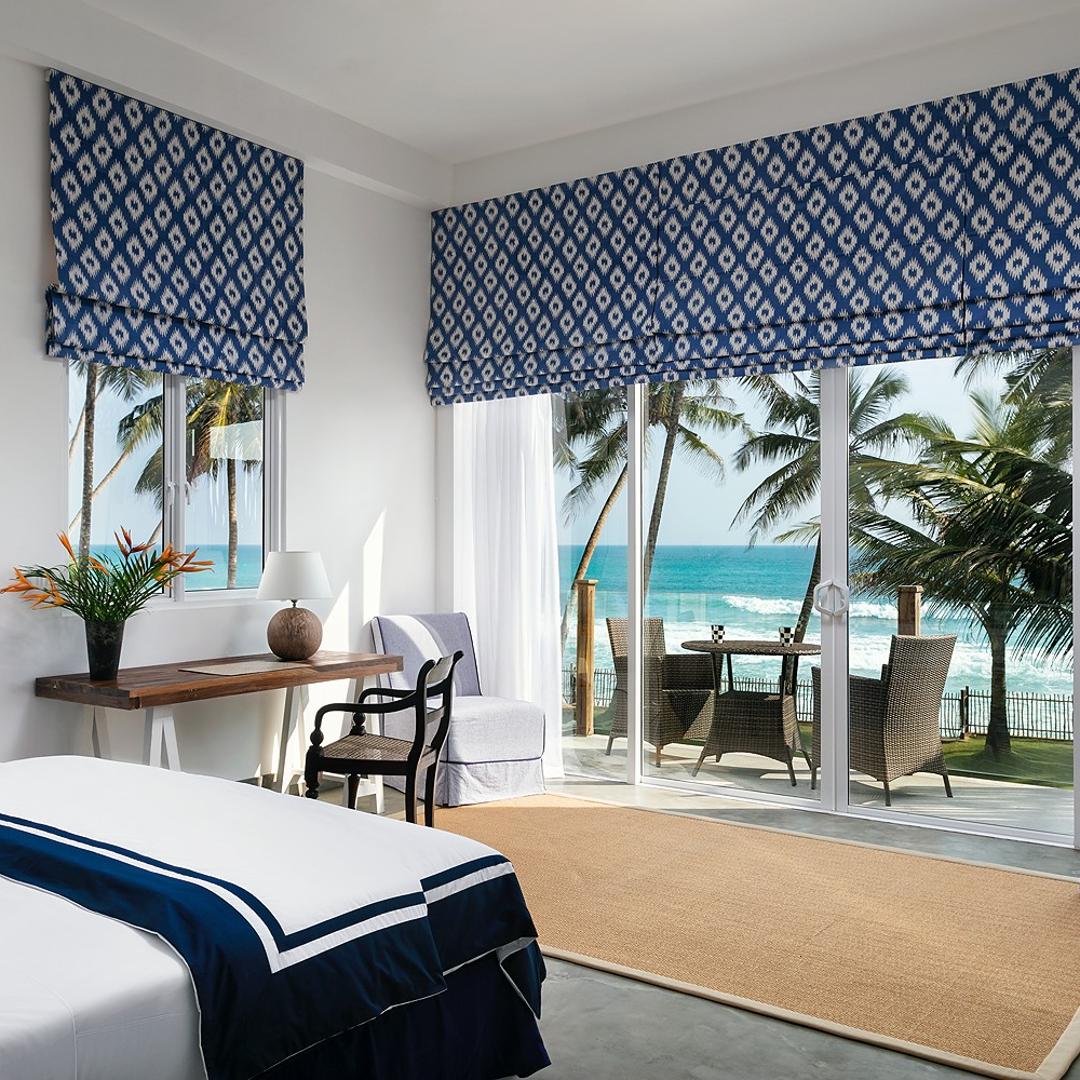
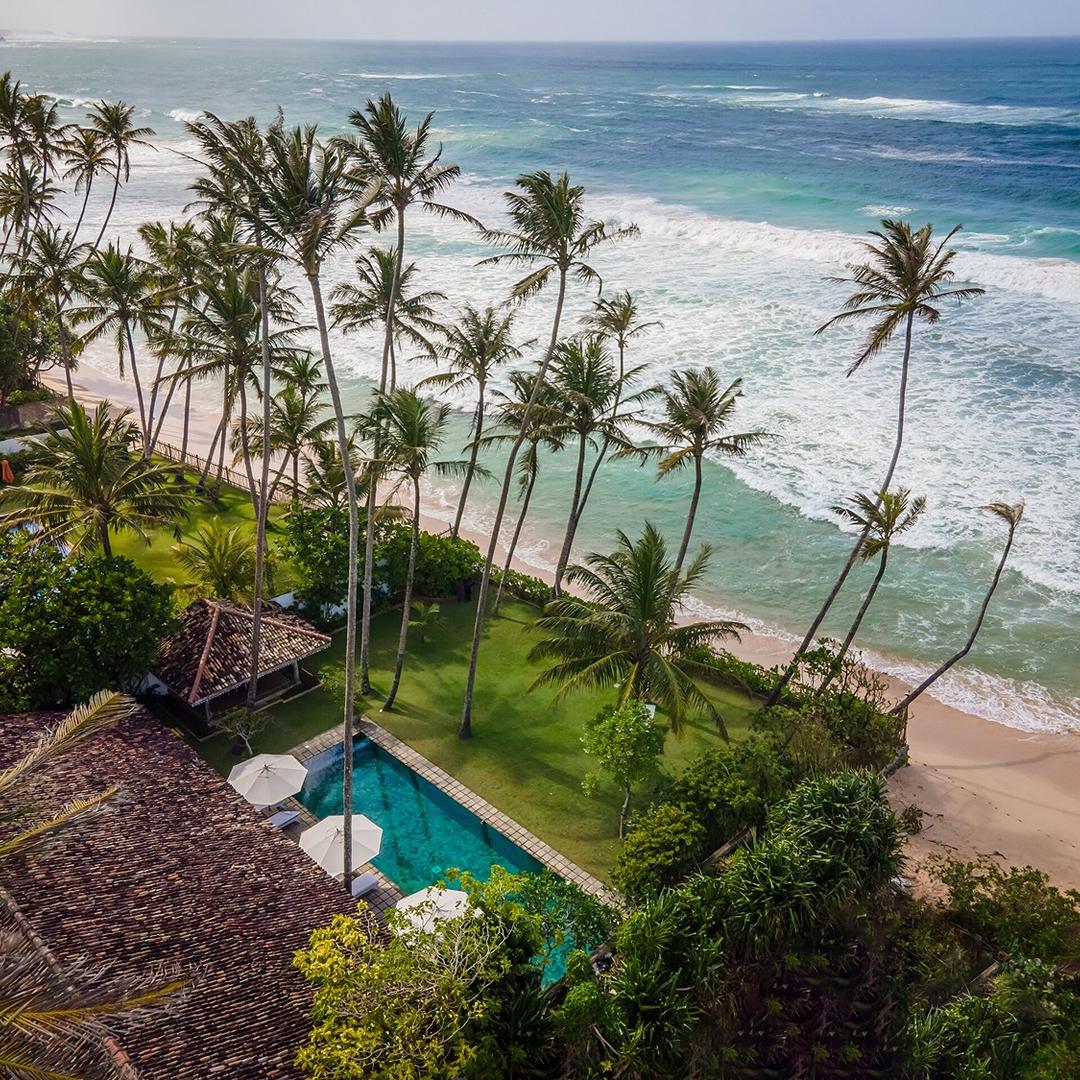
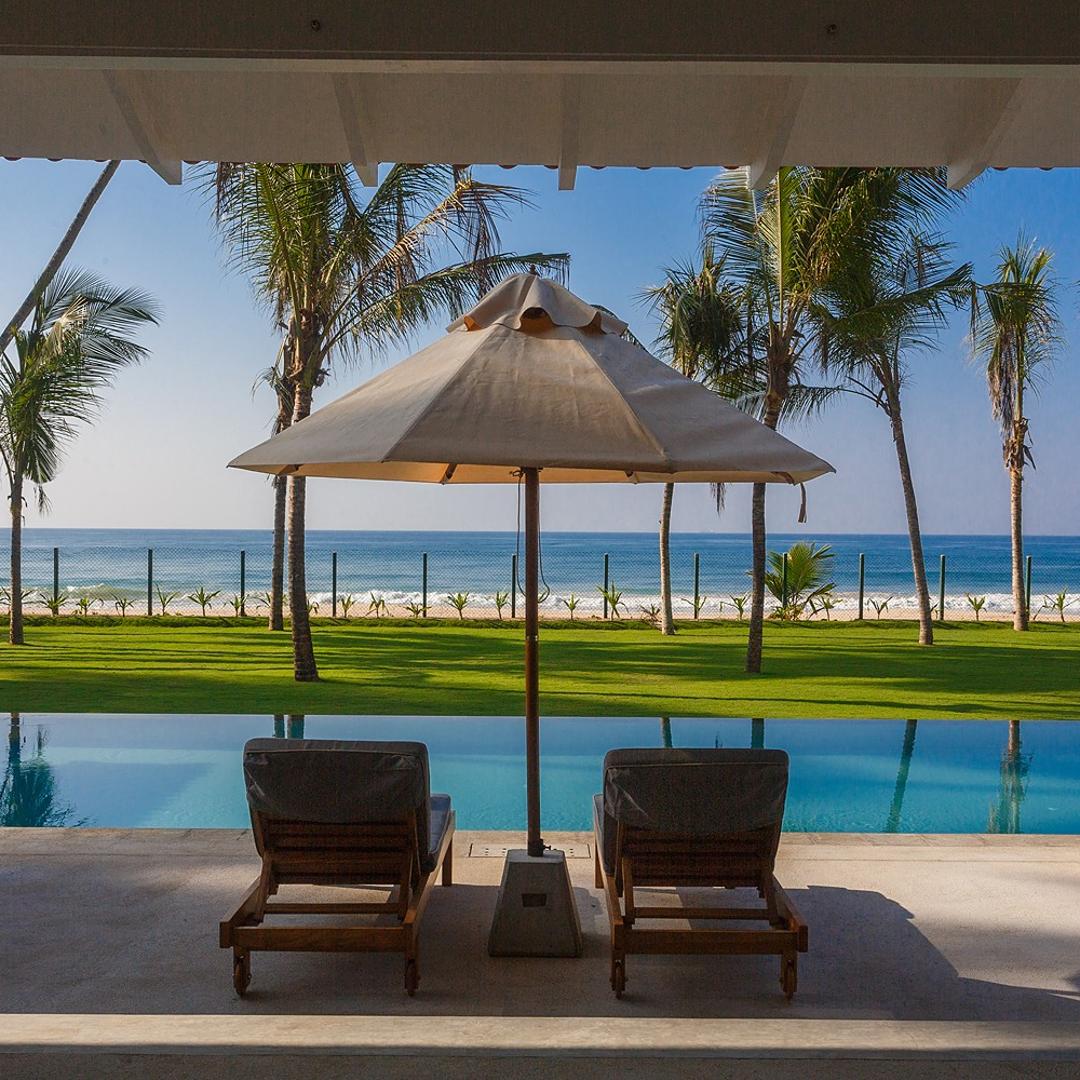
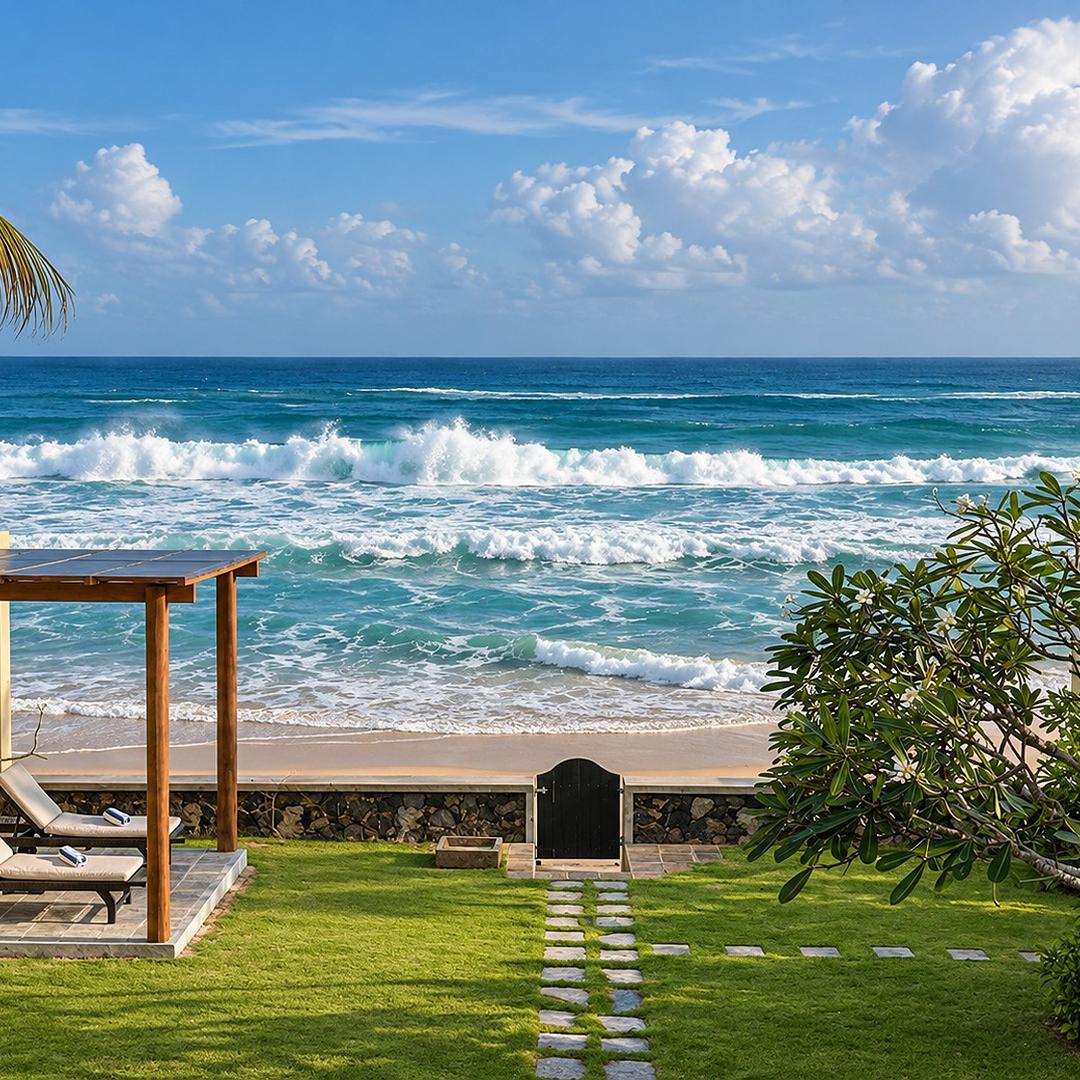
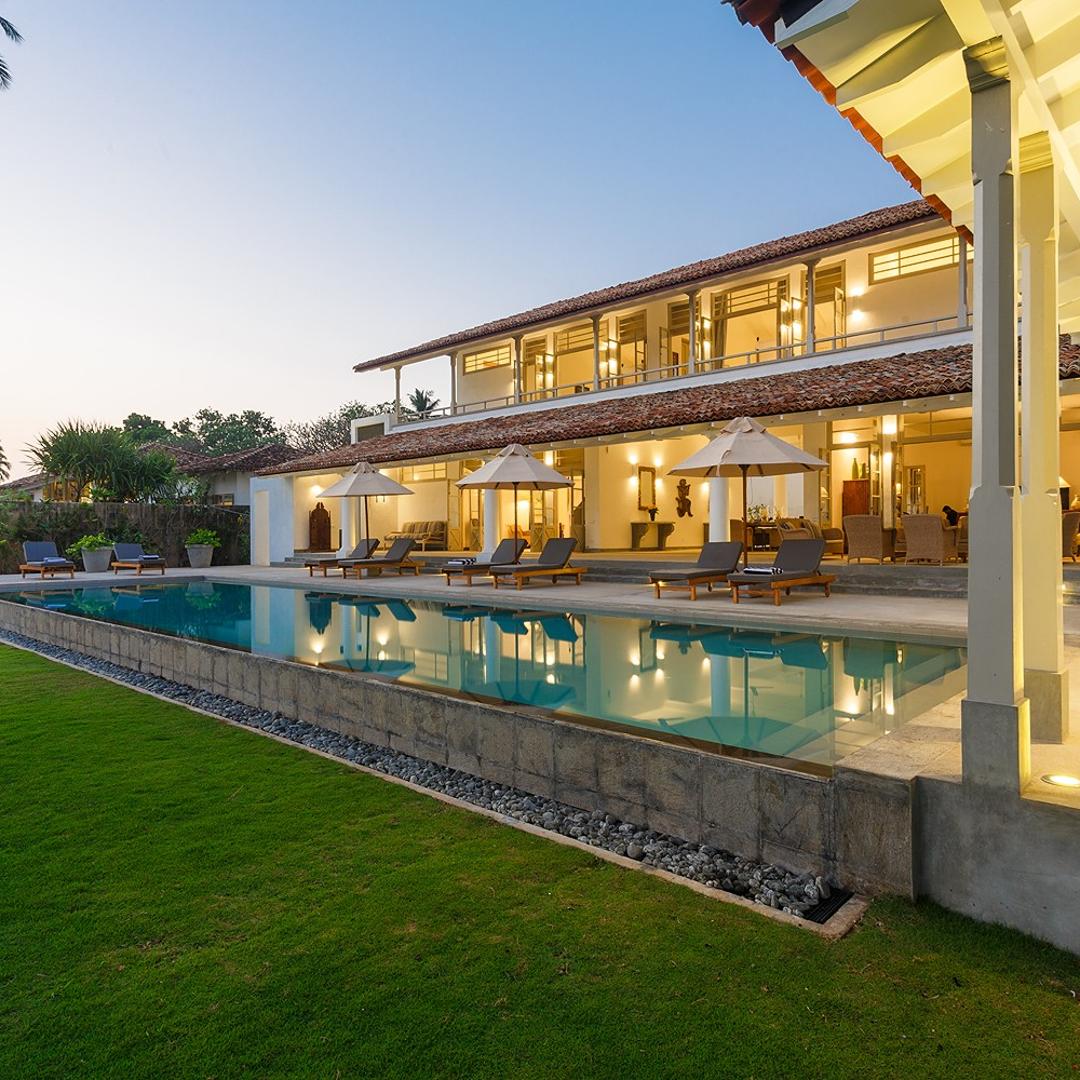
Surf villas in Ahangama, Kabalana and Midigama
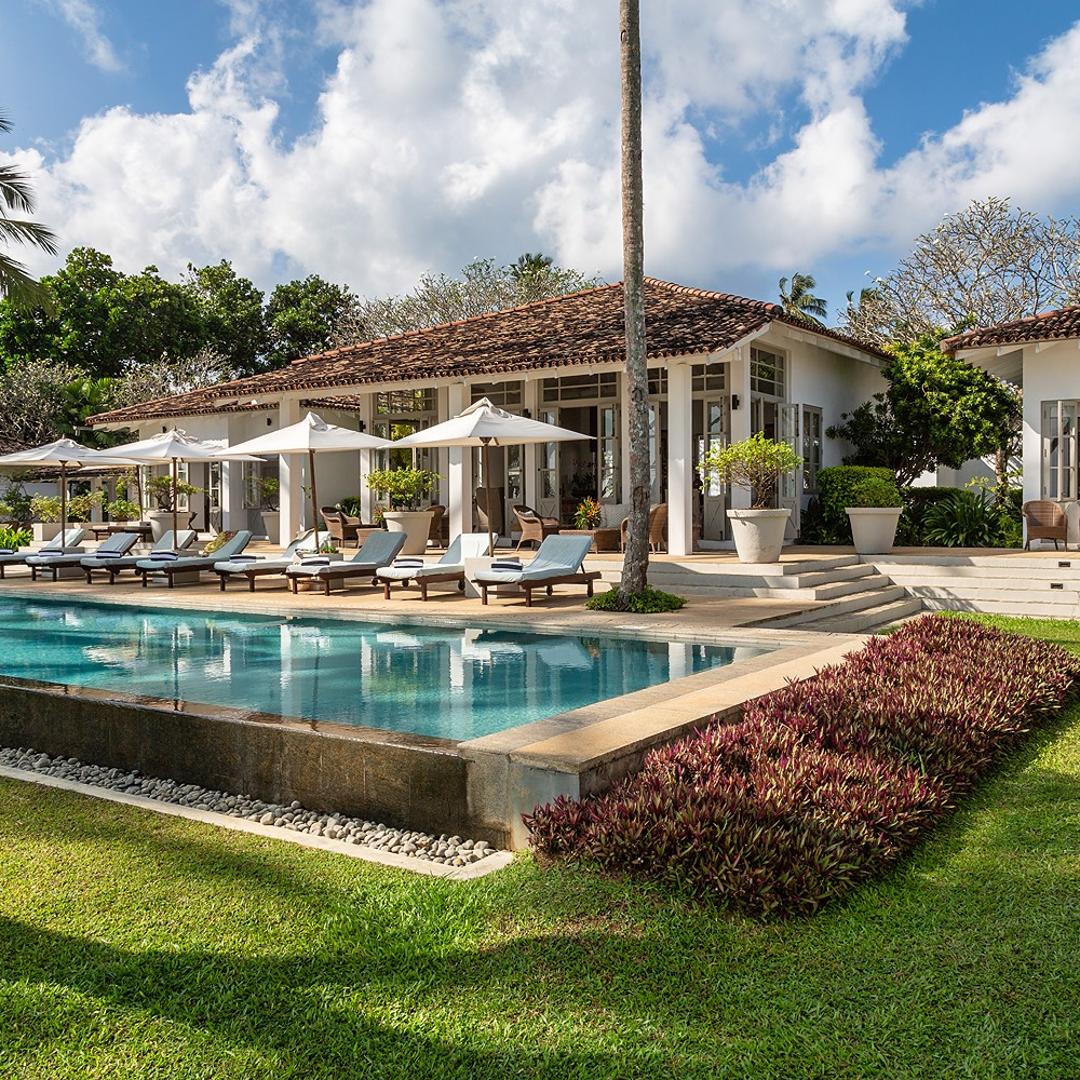
Reef country: The Rock at Kabalana, the Midigama lefts and rights, and Weligama's learning bay next door.
More about this area
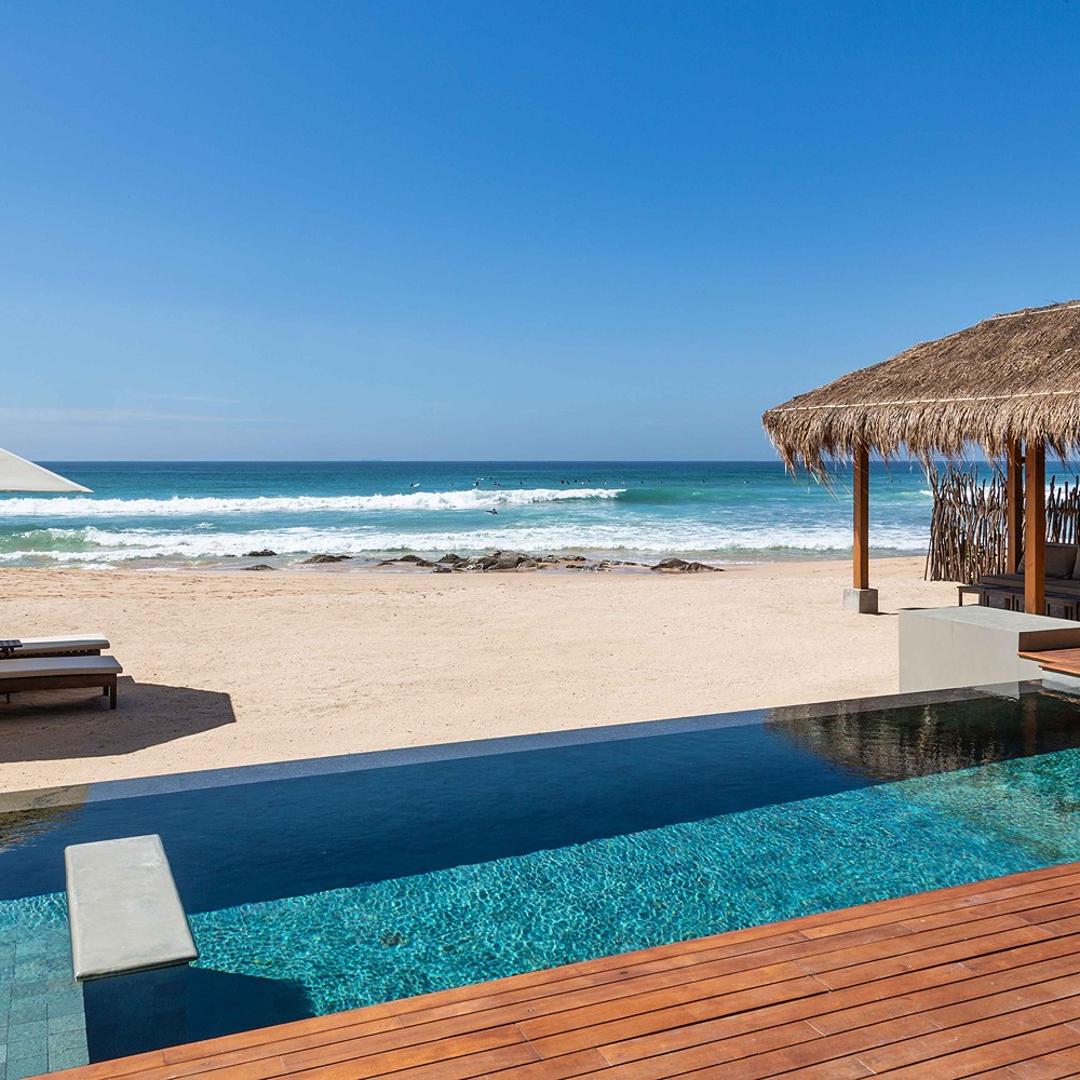
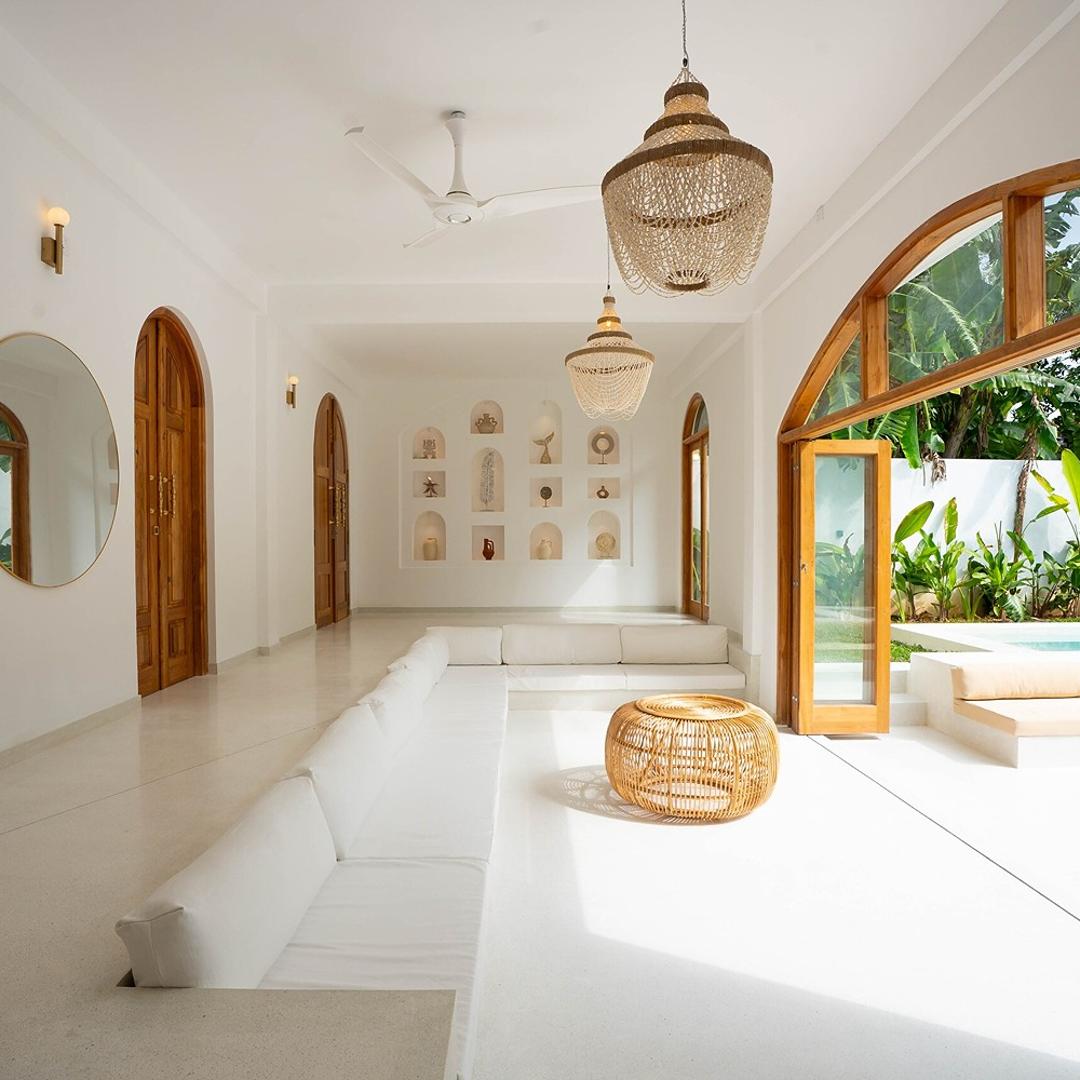
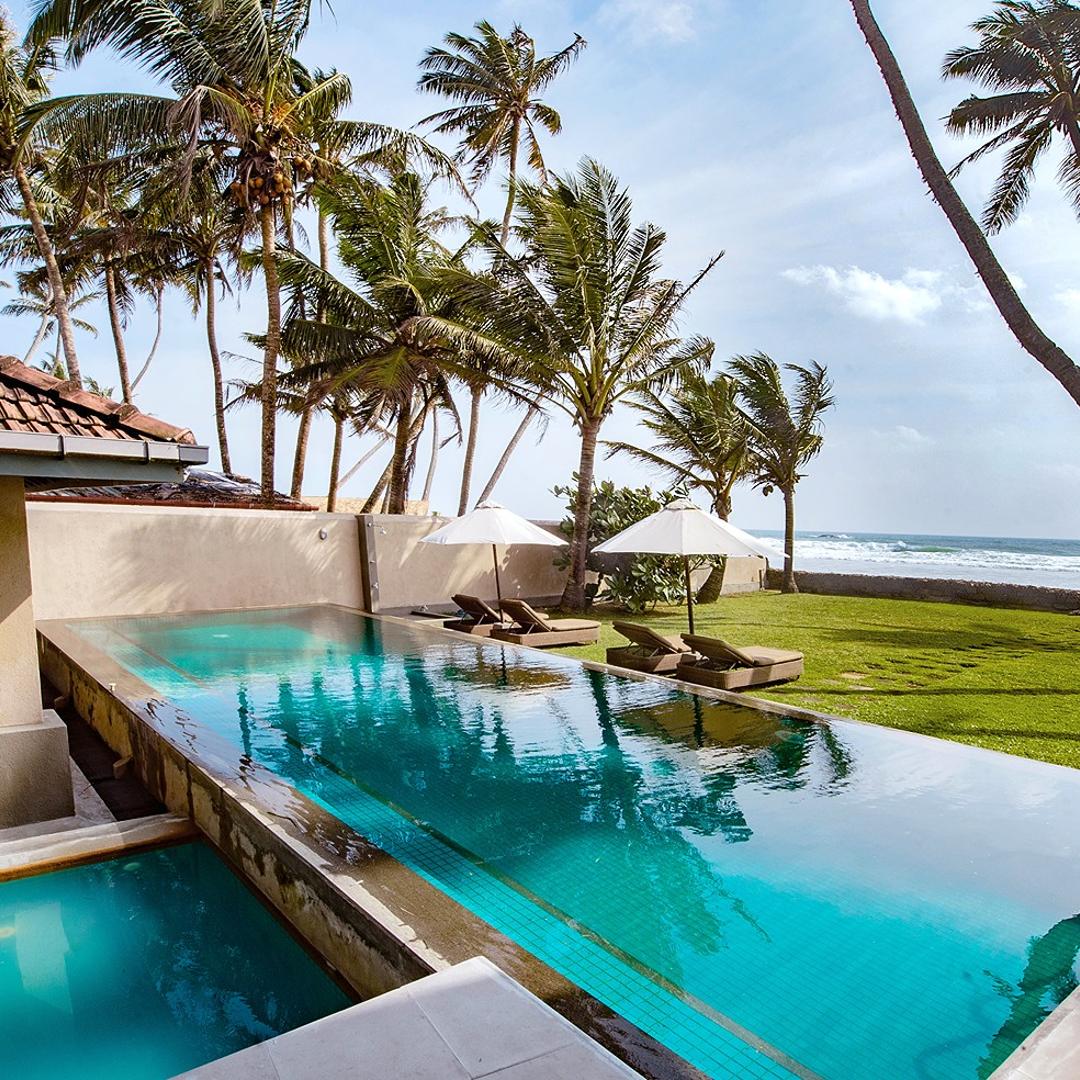
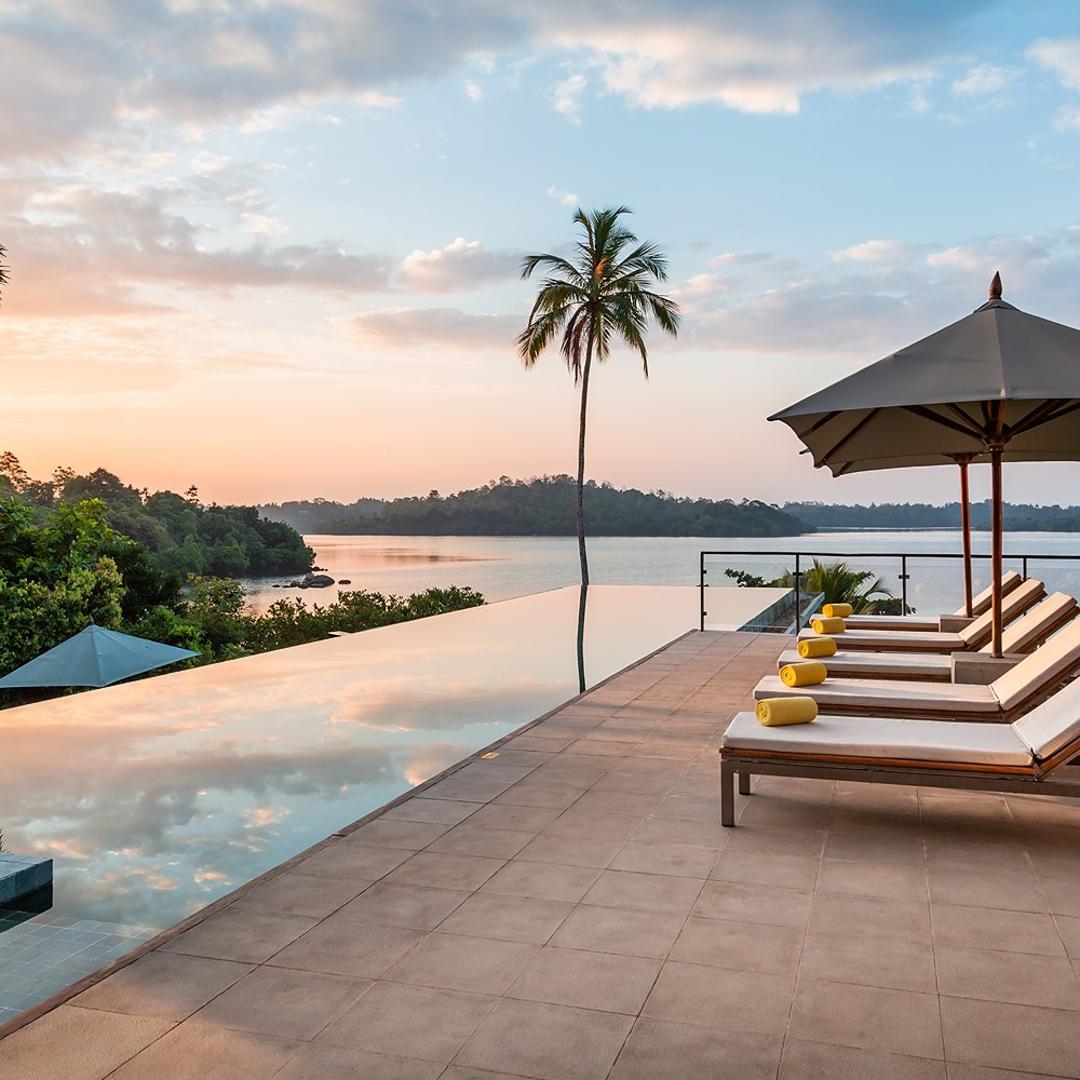
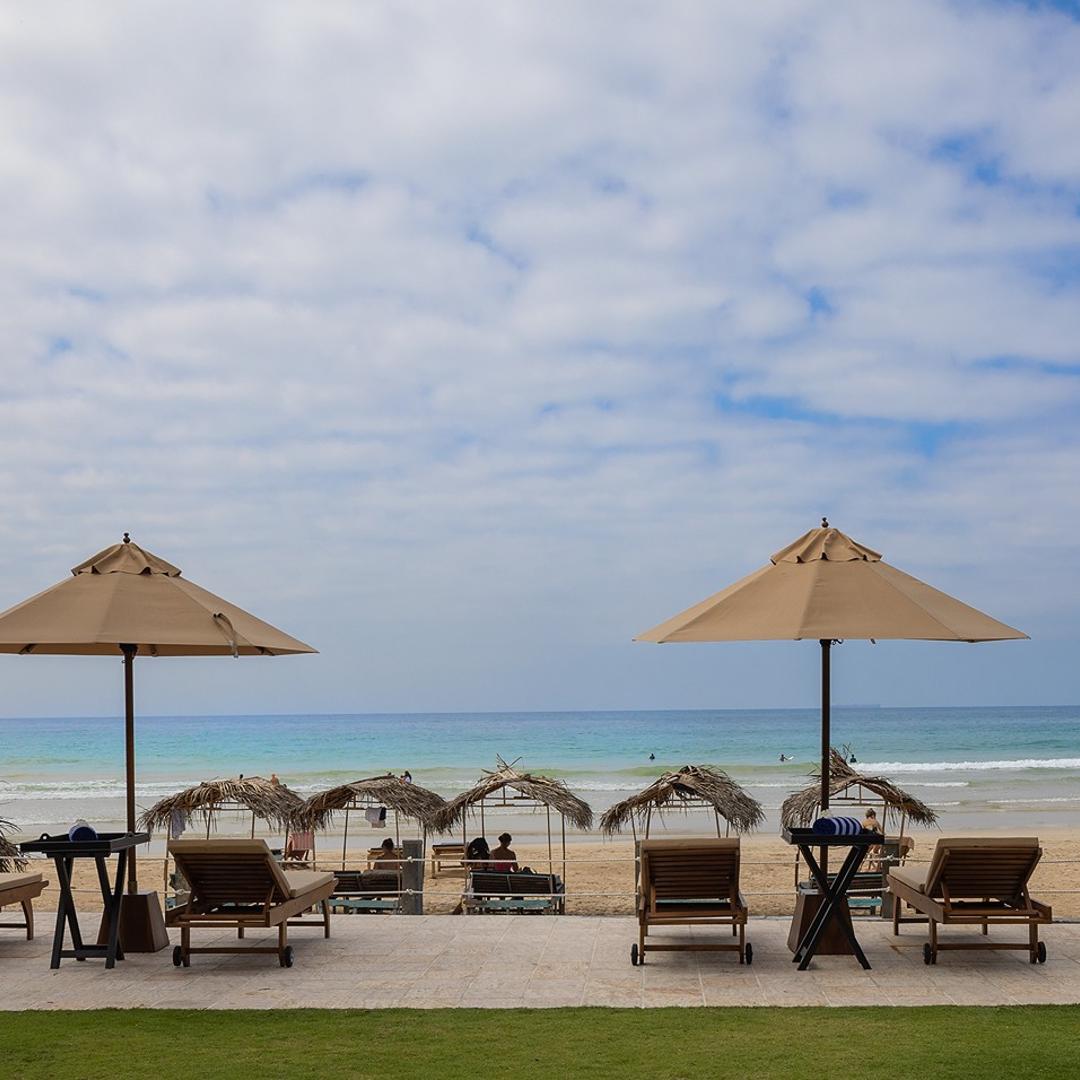
Surf villas in Mirissa and Thalaramba
A beach break for learning, a reef for the better surfers, and Weligama a short ride west.
More about this area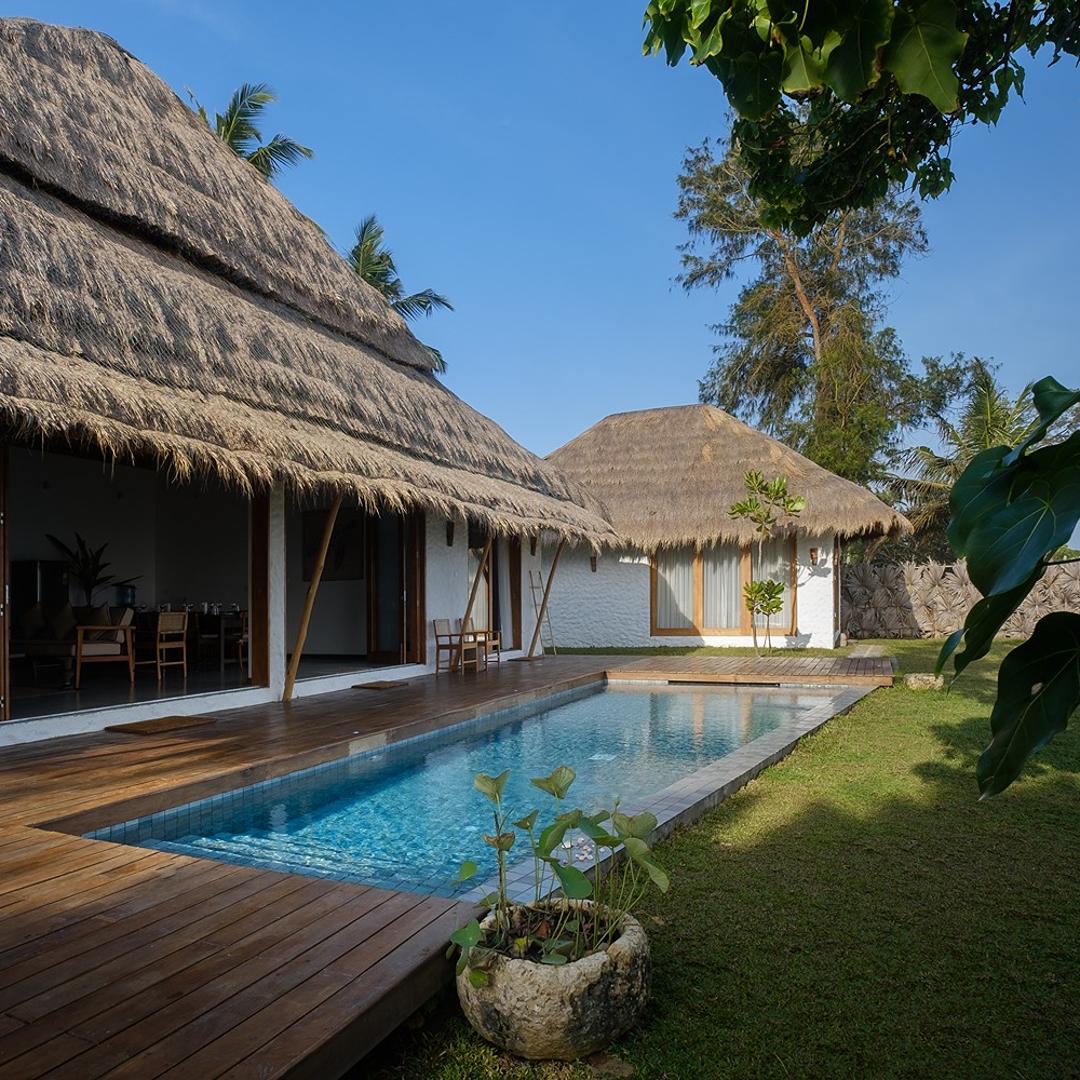
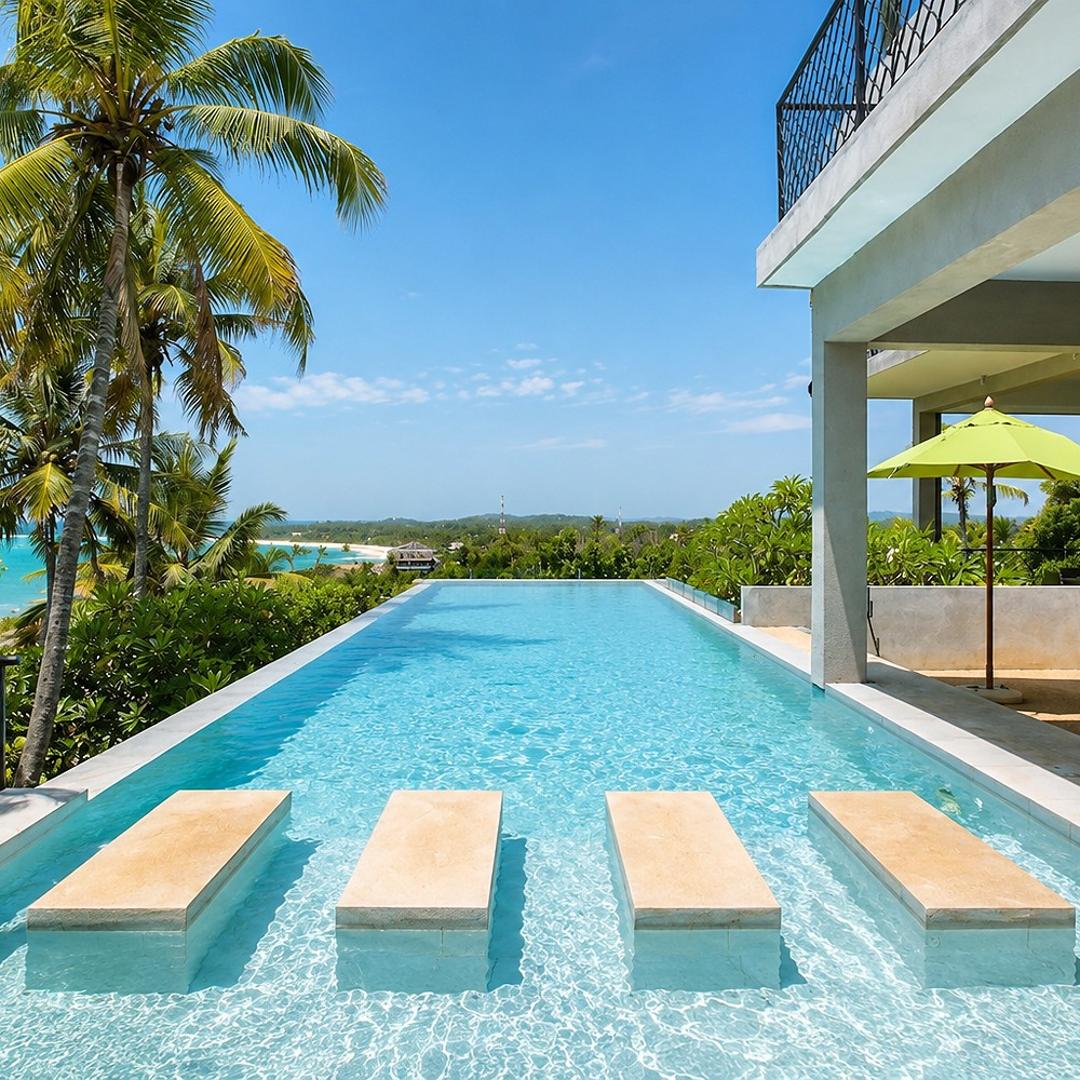
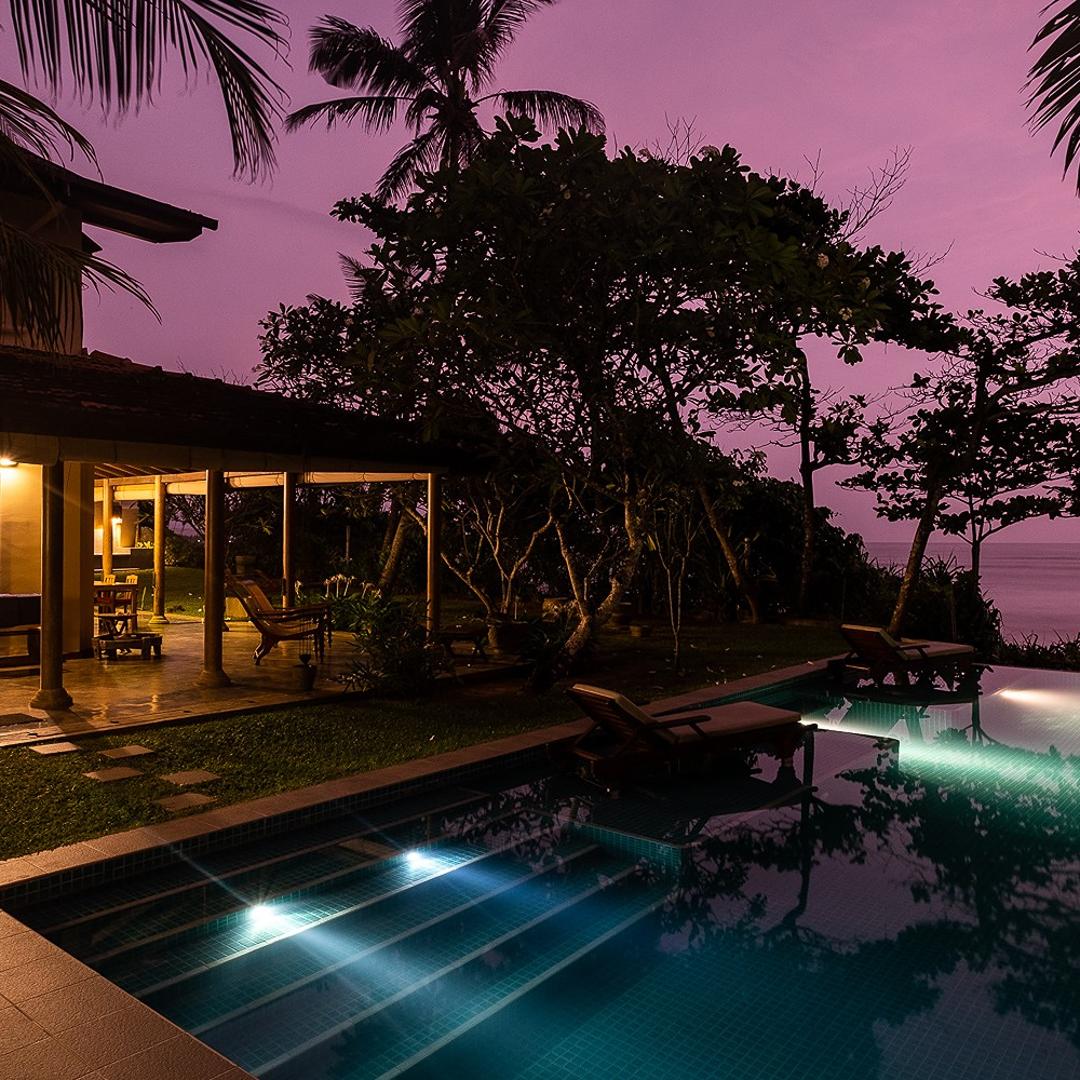
Surf villas in Hiriketiya and Dickwella
A small horseshoe bay that holds waves for more of the year than the open coast.
More about this area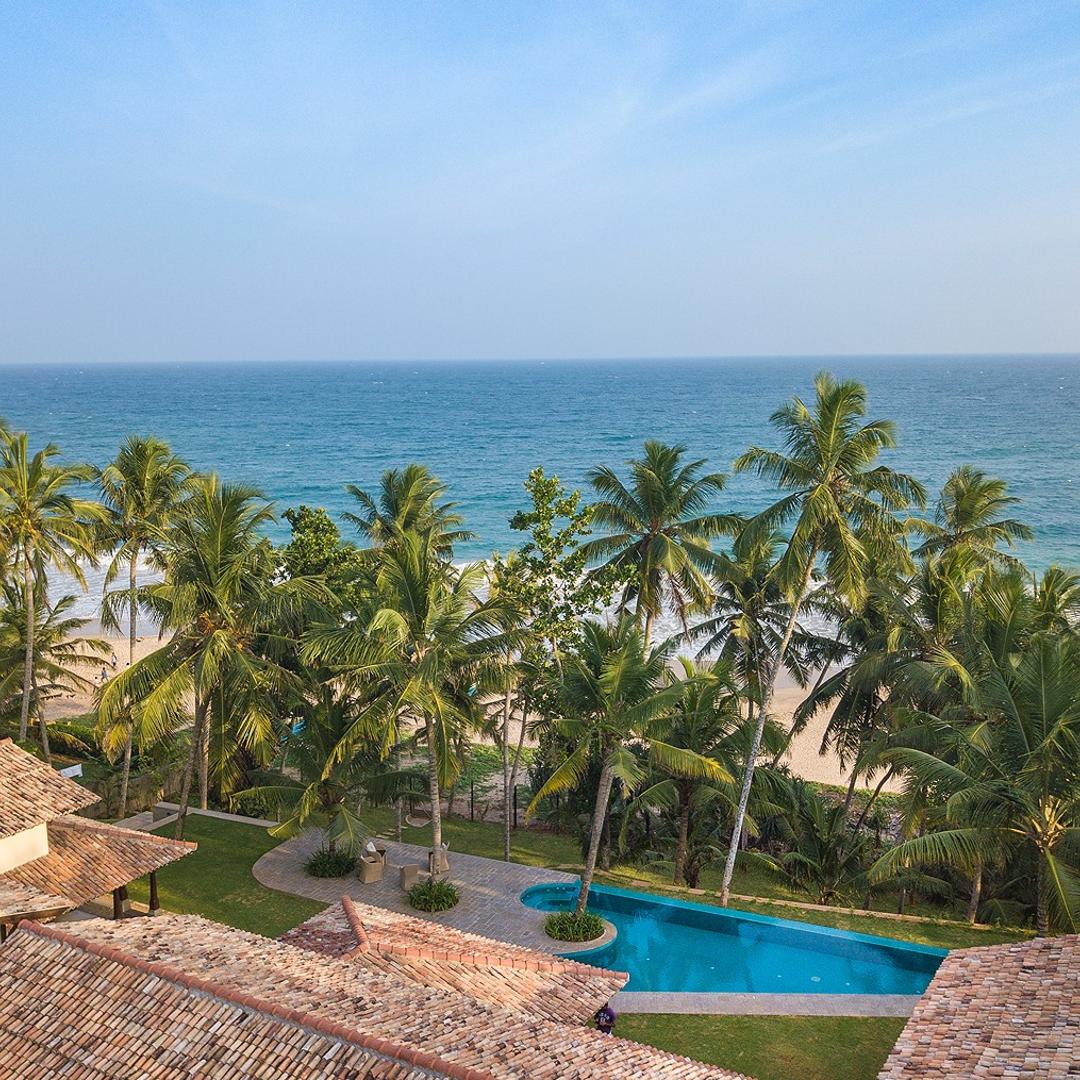
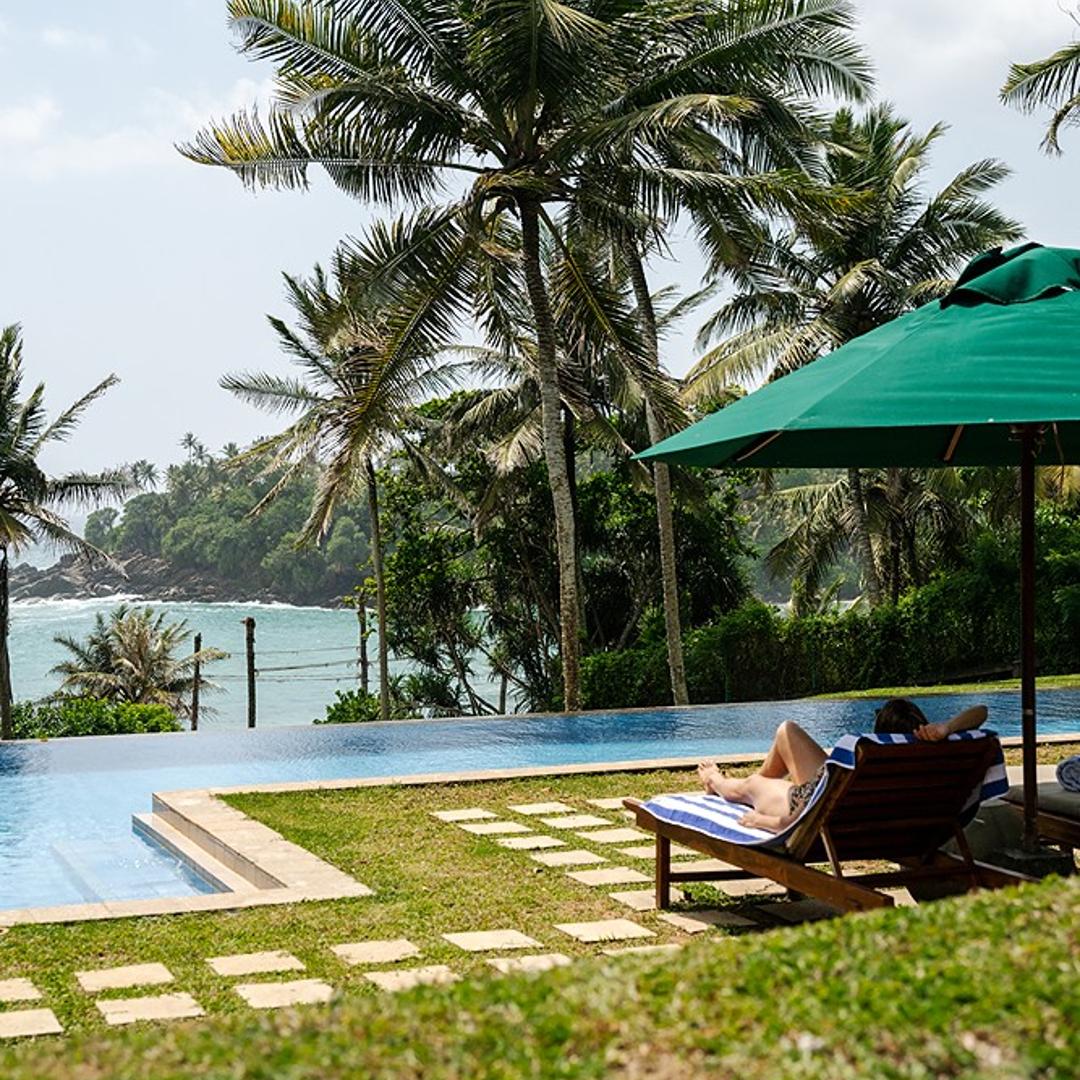
Surf villas at Arugam Bay
The east coast, at its best from May to September when the south is out of season.
More about this area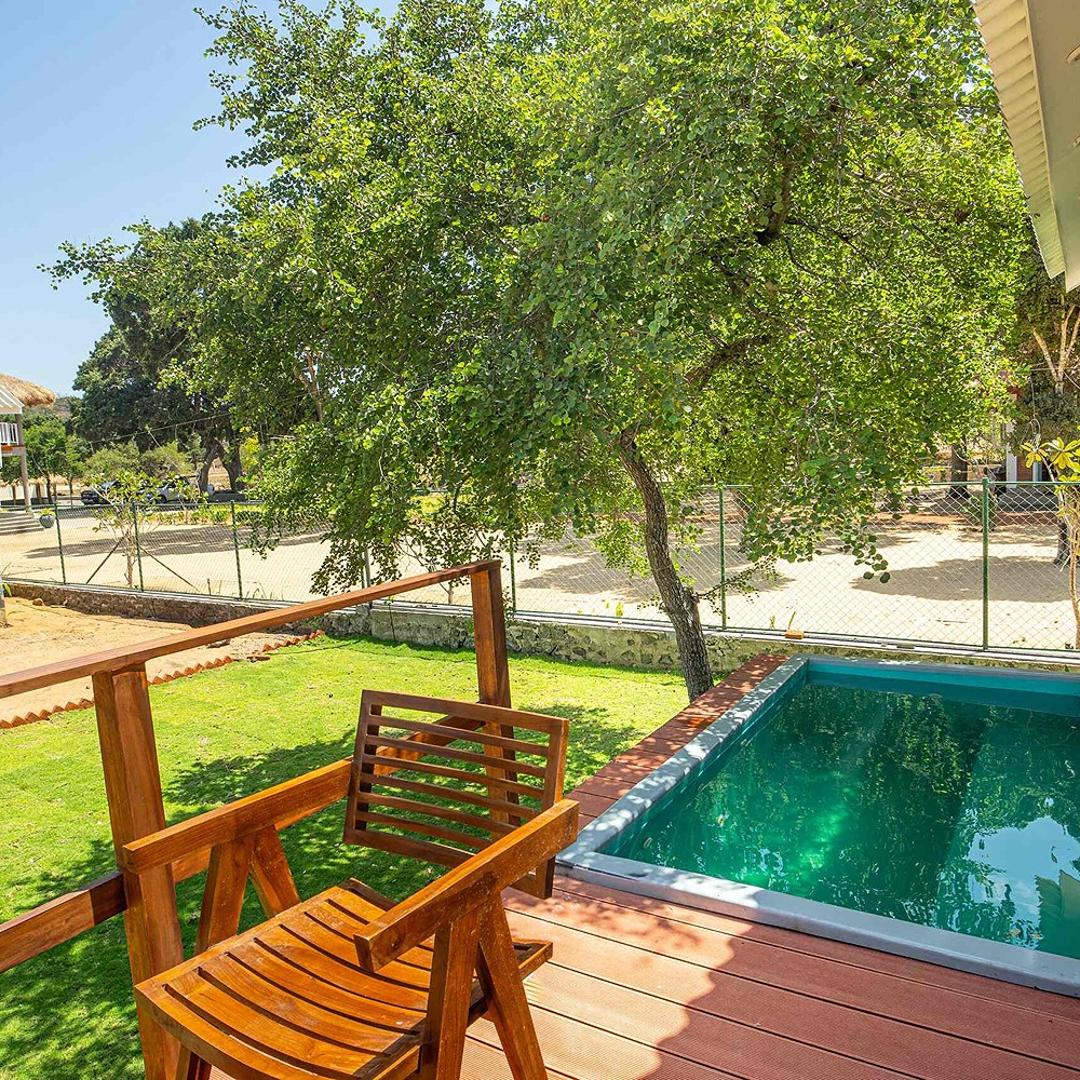
Two coasts, two seasons, and why the month decides the beach
Sri Lanka has two surf seasons because it has two monsoons, and they run in opposite directions. Get this right and the trip works. Get it wrong and you arrive to a coast blown out by onshore wind while the other side of the island is clean.
The south and west coast, from Hikkaduwa through Galle, Ahangama and Weligama to Hiriketiya, is at its best from roughly November to April. Mornings are offshore, the swell is mostly between two and five feet, and every level has somewhere to go. From about May to September the south west monsoon turns the wind onshore and the open beaches go messy, although sheltered bays such as Hiriketiya hold smaller, cleaner waves for longer than the open coast.
The east reverses it. Arugam Bay comes alive from roughly May to September, usually at its best in the middle of that window, which is exactly when the south is out of season. April, May, October and November are the shoulder months, when either coast can work and neither is crowded. Surf is a forecast rather than a promise, so we check the charts against your dates before we recommend a house.
Which stretch suits which surfer
The south coast is a run of short drives between very different waves, which is why where the house sits matters more than how close it is to any one break.
Learning. Weligama is the classic first wave: a long sandy bay with soft whitewater and surf schools along the beach. Dewata, just north of Unawatuna, is the same idea on a smaller scale, and the beach break at Hikkaduwa is the west coast's equivalent. The middle of Kabalana beach suits learners too when the swell is small.
Moving onto reef. Midigama is where most people make the step, and its Lazy Left and Lazy Right are among the most forgiving reef waves on the island. Mirissa has a beginner beach break alongside a faster reef. Hiriketiya's small bay mixes gentle inside waves with a reef for better surfers on its day.
Experienced. The Rock at Kabalana is an A-frame reef with long lefts and shorter, hollower rights, and it is busy in season for good reason. Rams at Midigama and the faster reefs at Hikkaduwa are a step up again. On the east coast, Main Point at Arugam Bay is a long right for confident surfers, while Baby Point beside it, Whiskey Point and the inside at Peanut Farm are kinder.
The reef is shallow in places and urchins are common on some of it. Booties are worth packing, and a guide on your first morning at a new break is money well spent.
What to ask before you book a surf house
Distance on a map is a poor guide here. The coast road is slow, a tuk-tuk is the usual way to the break, and the drivers strap boards to the roof without being asked. A house a short ride from three breaks is often more useful than one in front of a single wave that is wrong for that week's swell.
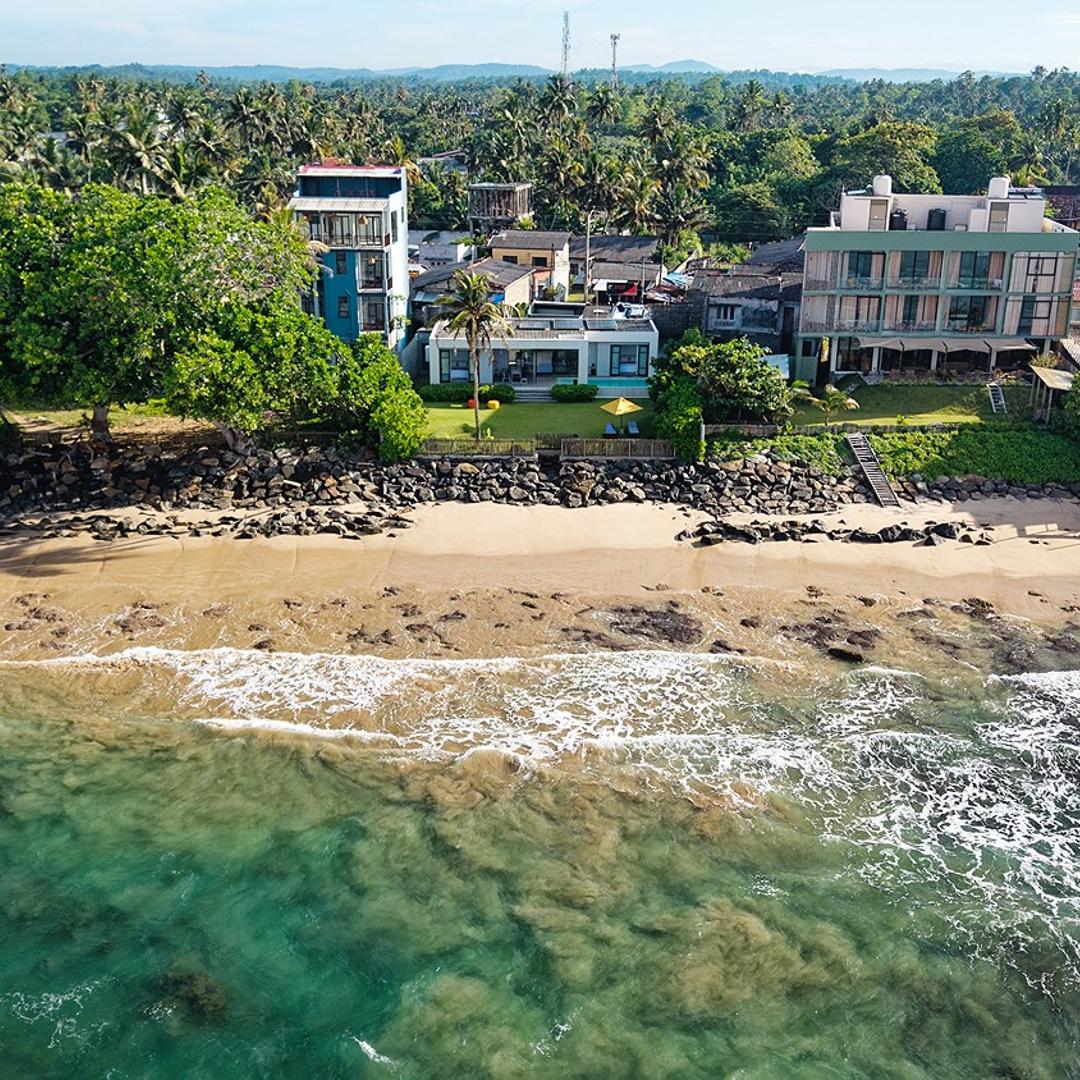
Three things are worth checking for a particular house, and they differ villa to villa: whether there is somewhere to rinse and store boards, how early the staff can have coffee or breakfast ready, and whether the beach in front is for surfing, swimming or neither. A surf beach is not always a swimming beach, which matters when half the group is not surfing. The individual villa page is the place to check, or ask us.
From Bandaranaike International, Hikkaduwa and Galle are roughly two to three hours on the expressway, with Ahangama, Weligama and Mirissa a little further. Arugam Bay is effectively a full day across the island, which is why it suits a trip built around the east coast season rather than a week added to the south.
Not sure which coast is working?
Give us your dates and we will match them to the waves
The month you are travelling and the level you surf at decide more than anything else on this page. Tell us both, and who else is coming, and we will shortlist the houses that put you closest to the right break.
Start an enquiryFrequently asked questions
What surfers ask before booking a house on the coast.
It depends on the coast. The south and west, from Hikkaduwa to Hiriketiya, are at their best from roughly November to April, with clean offshore mornings. The east coast, which means Arugam Bay, works from roughly May to September, when the south is out of season. April, May, October and November are shoulder months when either coast can work. Send us your dates and we will match them to the coast that will be working.
Near Weligama, which is the island's classic learning bay, or close to Dewata just north of Unawatuna. Hikkaduwa's beach break is the west coast equivalent. A house between Ahangama and Mirissa is a good compromise for a mixed group, because it puts Weligama's sand and the gentler Midigama reefs within a short tuk-tuk ride of each other.
They do different jobs and sit a short ride apart, so plenty of people stay in one and surf both. Weligama is the place to learn: a long, sandy bay with soft waves and surf schools along the beach. Ahangama, Kabalana and Midigama are reef country, with The Rock and the Midigama lefts and rights for intermediate and experienced surfers. Ahangama is also the livelier of the two for cafes and dinner.
Yes. Lessons, a guide for your first sessions on a new reef and board hire are all easy to arrange along the south coast, and they are booked with local surf schools rather than sold as a package. Tell us your level and how many of you are surfing, and we will set up mornings at the right beach for the house you choose.
It is the best reason to take one. The surfers go out at dawn and the rest of the house has the pool and the garden to itself. The thing to check is whether the beach in front is safe for swimming, because a good surf beach often is not. Ask us about a specific house and we will tell you.
Yes, but plan the trip around the east coast. July and August are the heart of the Arugam Bay season, while the open south coast is usually onshore and rough. Sheltered spots such as Hiriketiya can still have small, clean waves, so a south coast house is not wasted, but for a surf-first trip in those months, Arugam Bay is the place.
The Haven Journal
Your insider guide to Sri Lanka; where to go, what to savour, and how to experience the island like you actually live here.