What “private pool” is doing in a resort listing

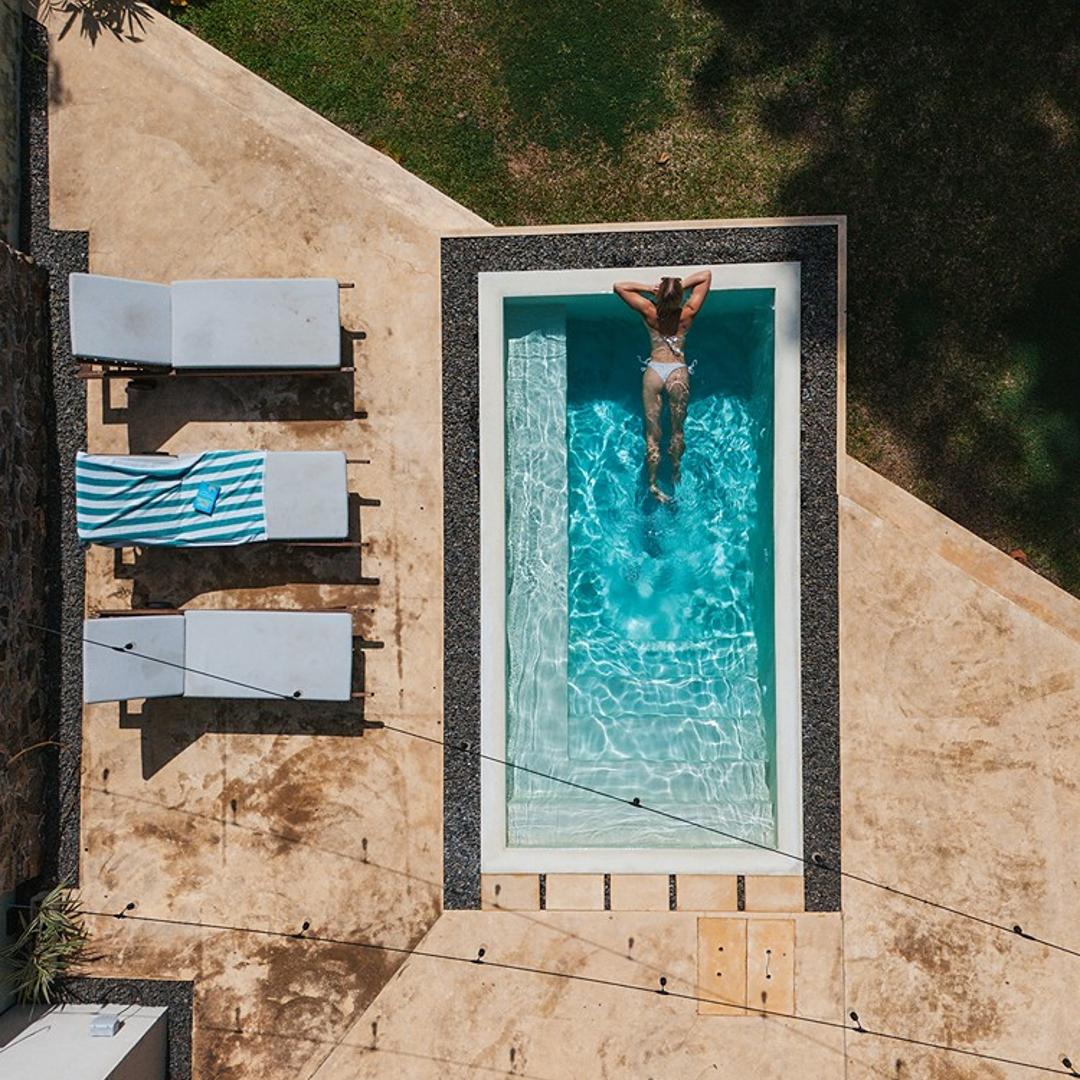
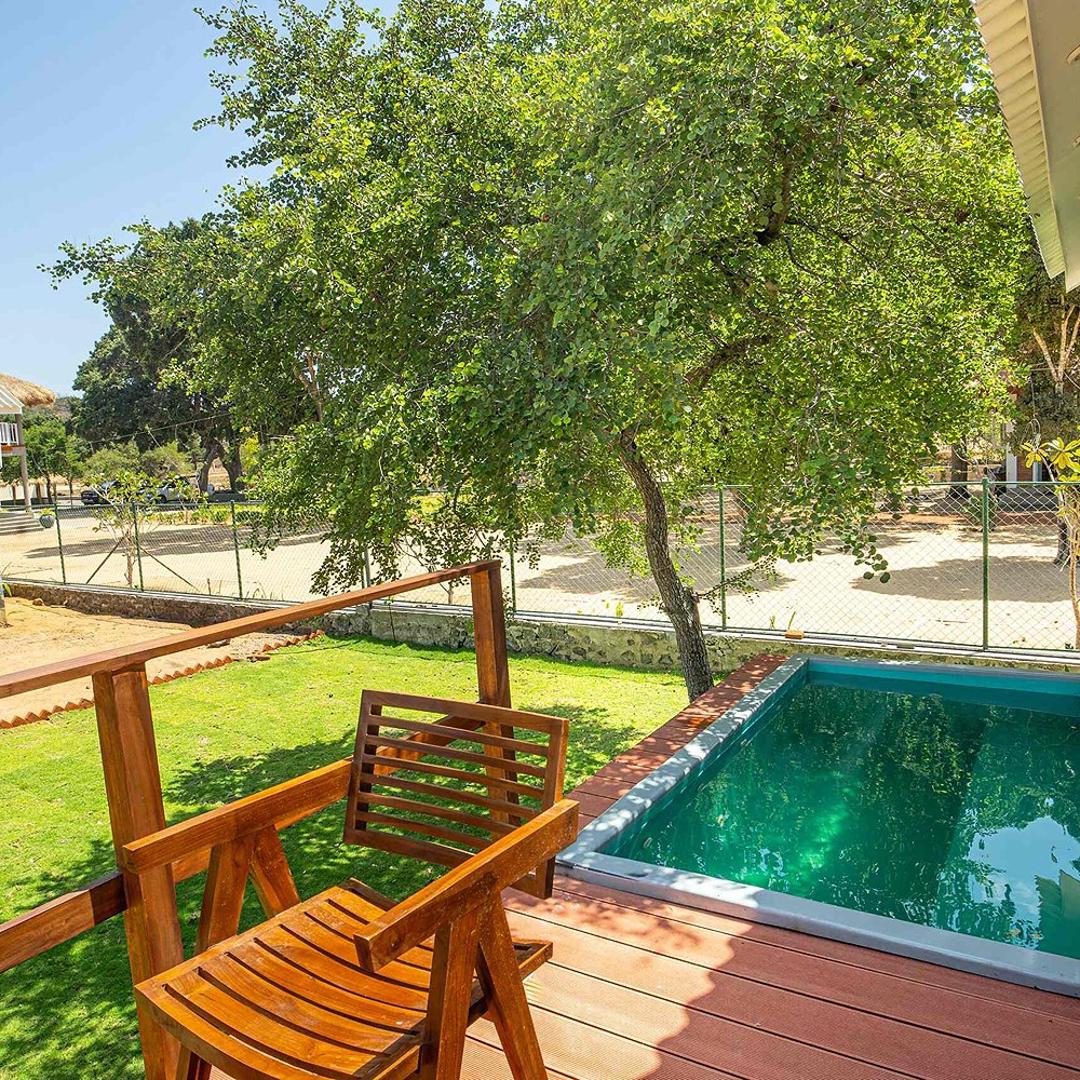
Almost every result for this phrase is a hotel, and in a hotel a private pool usually means a plunge pool on your own terrace: two or three metres of water, walls either side, and the next terrace close enough to hear. It is genuinely private and it is genuinely a pool. It is not what most people picture when they book one.

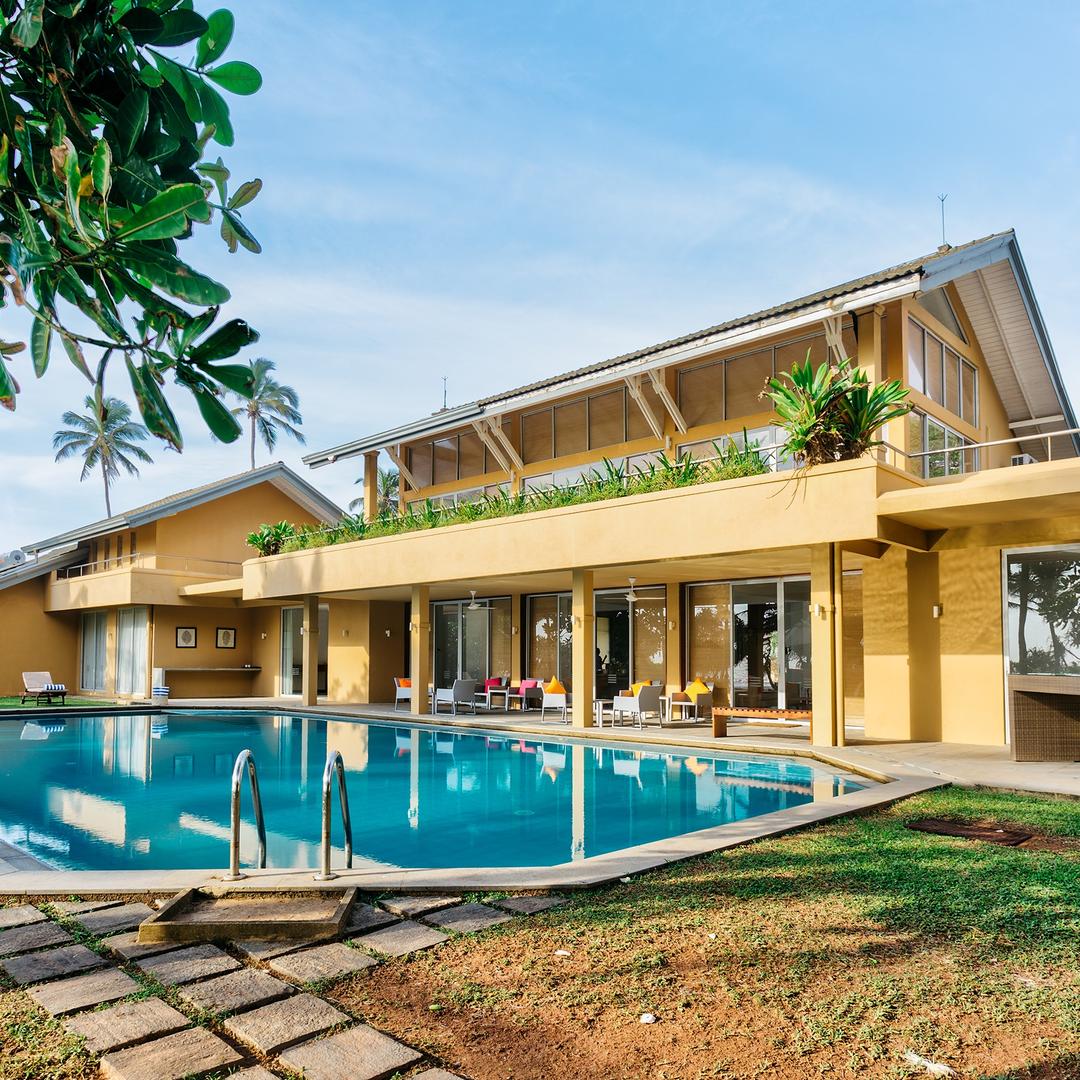
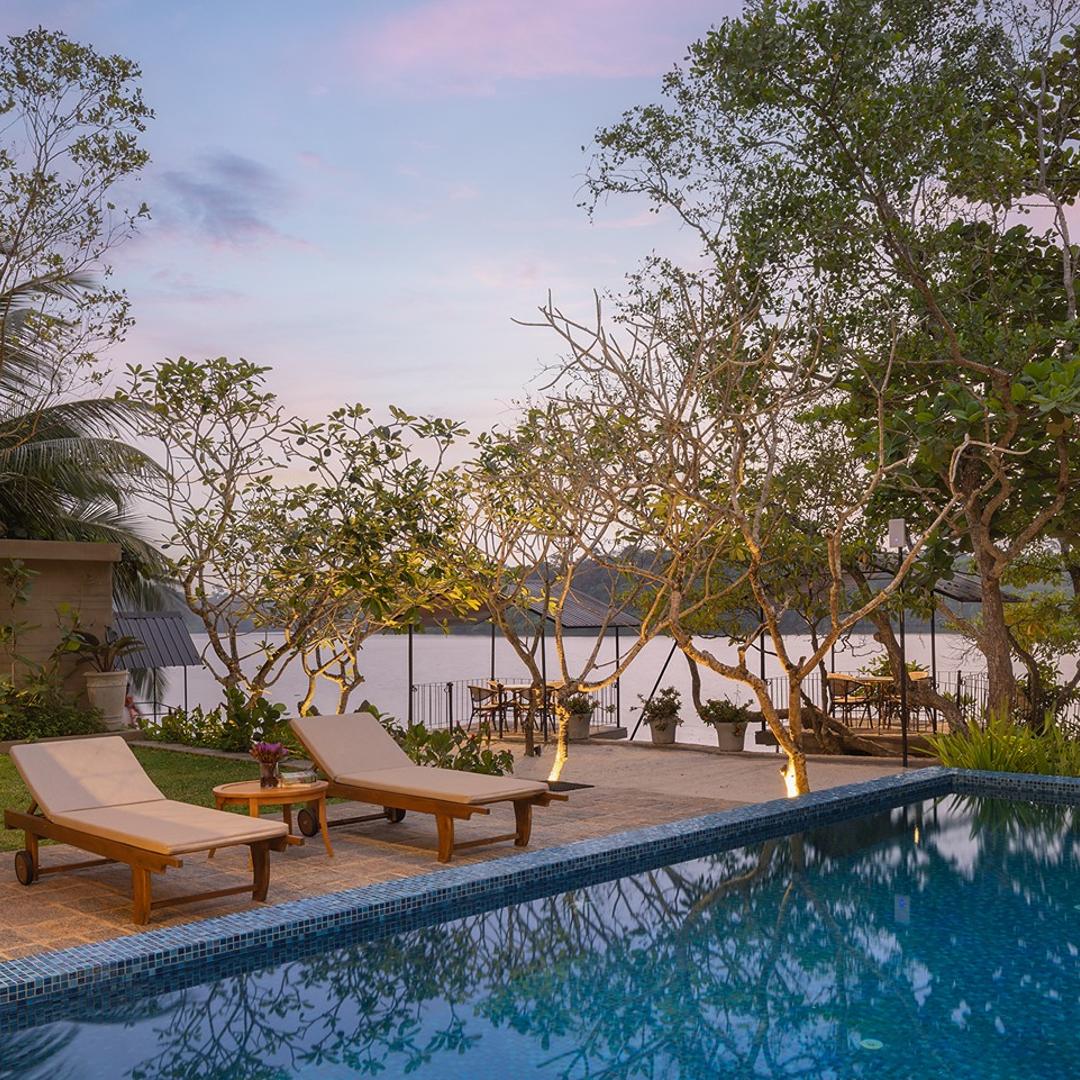
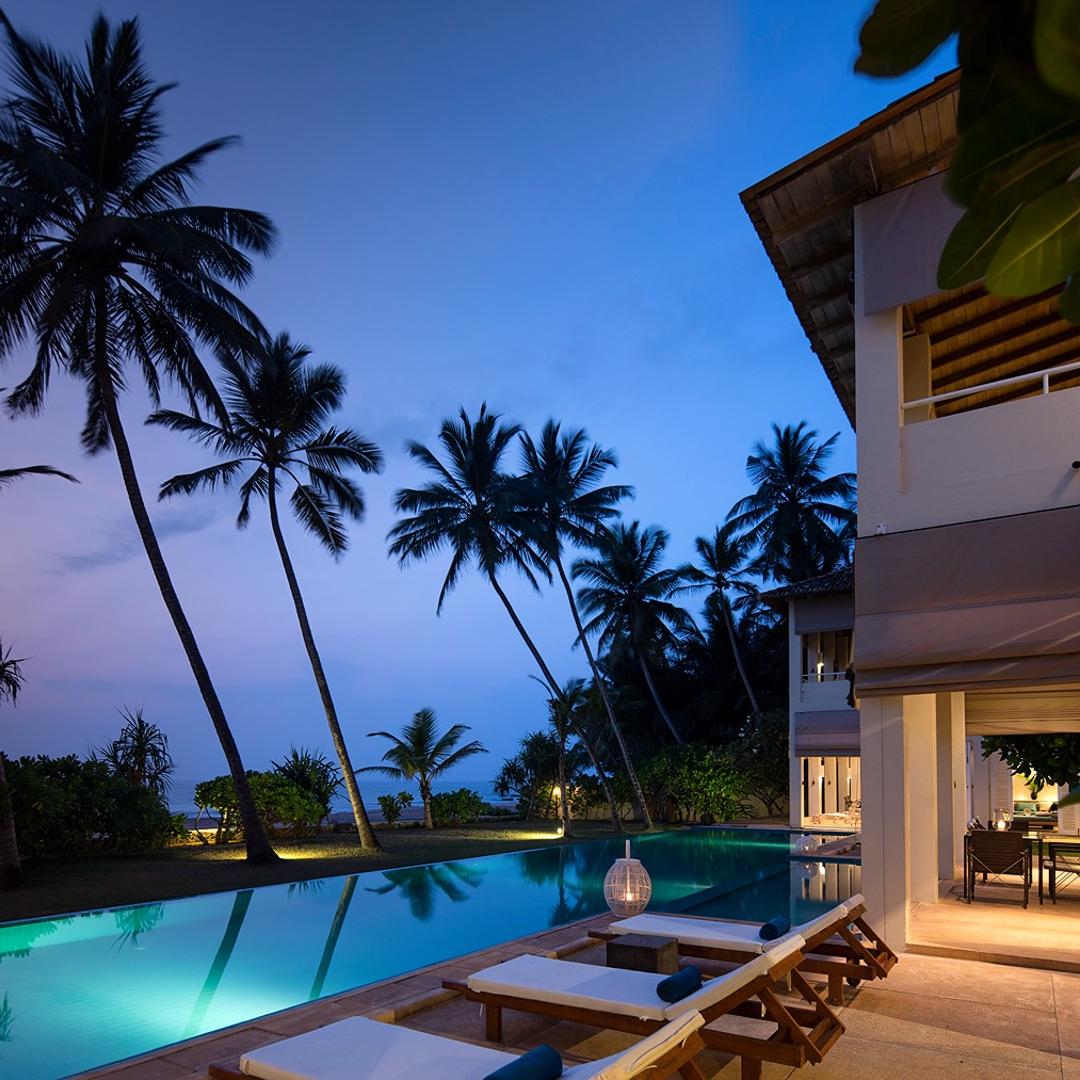
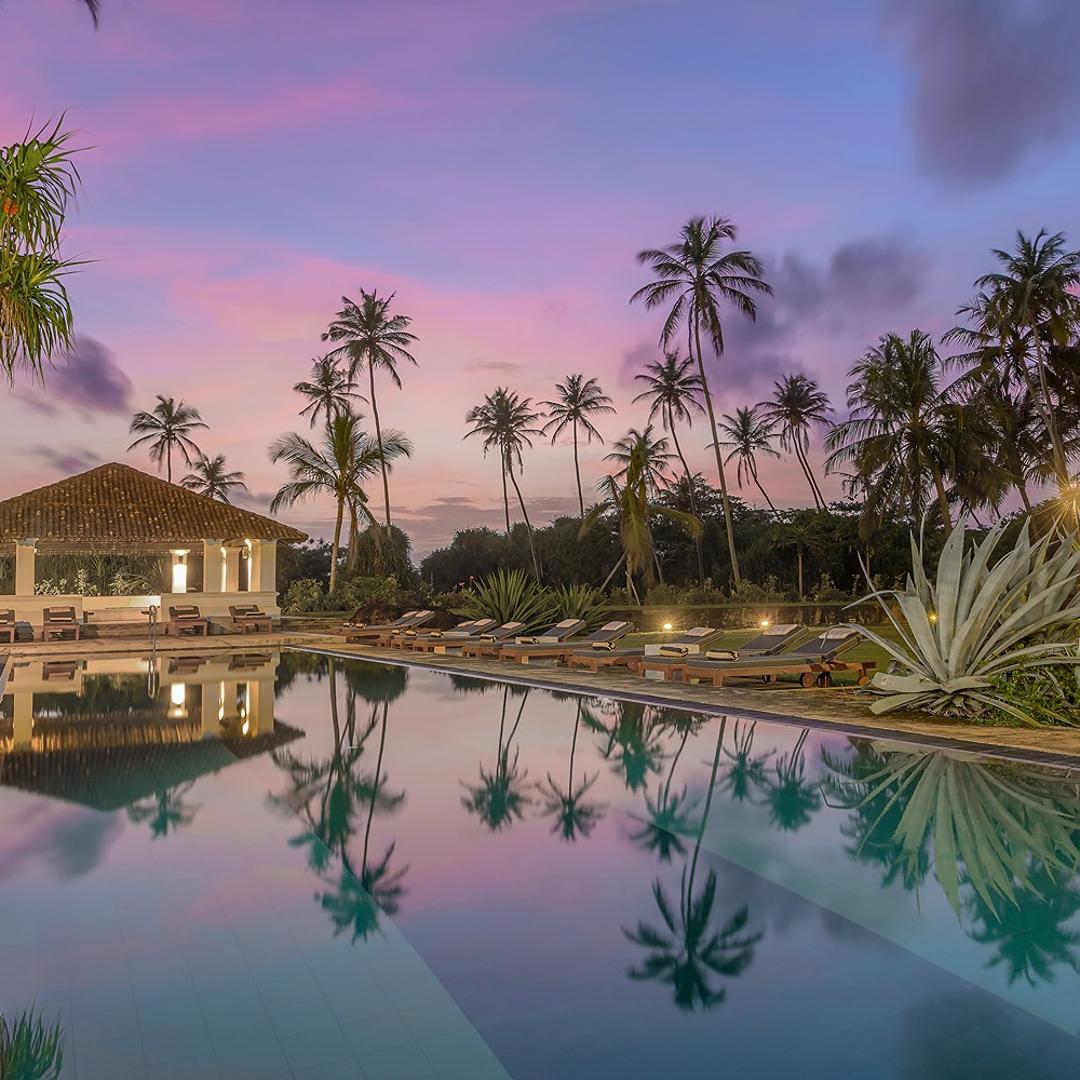
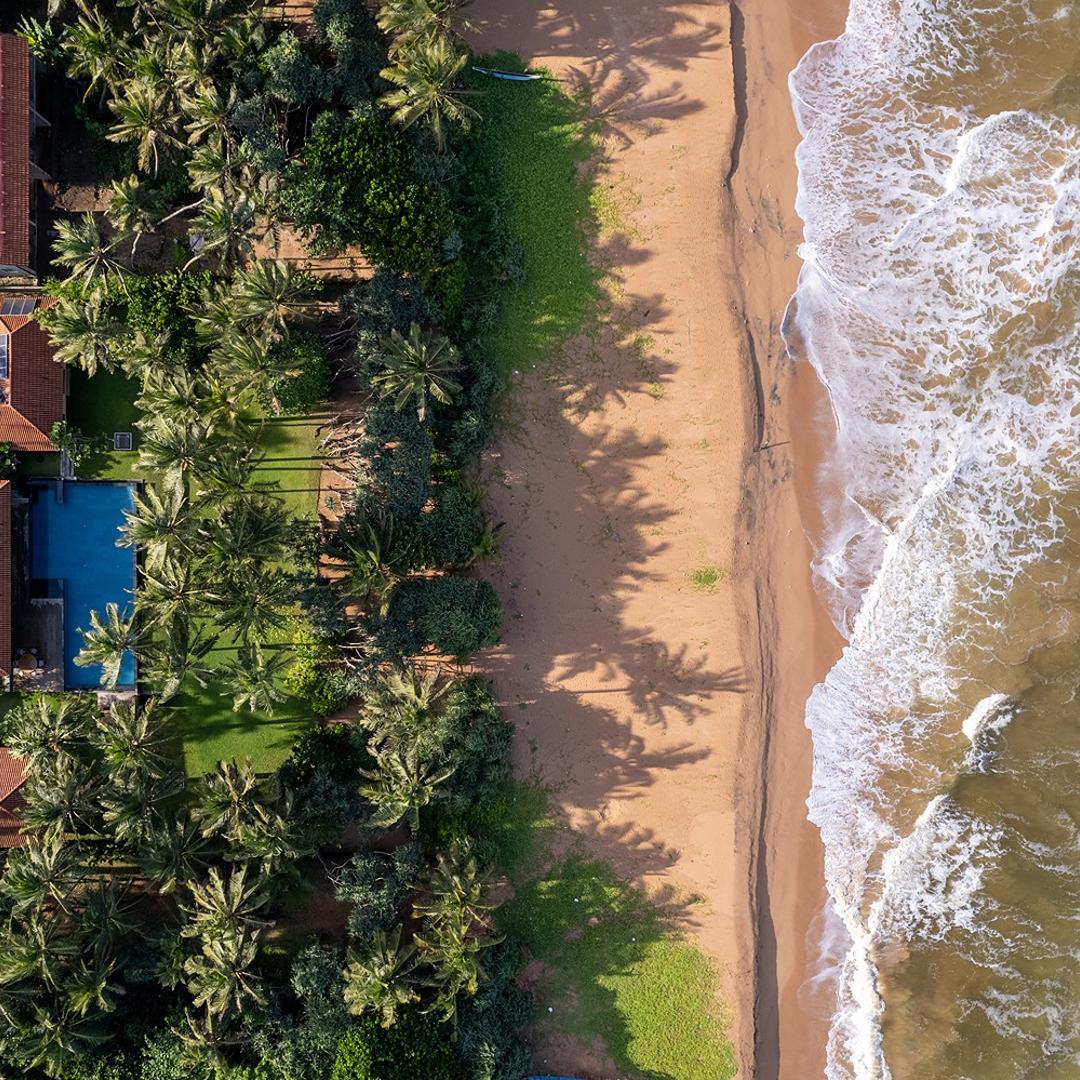
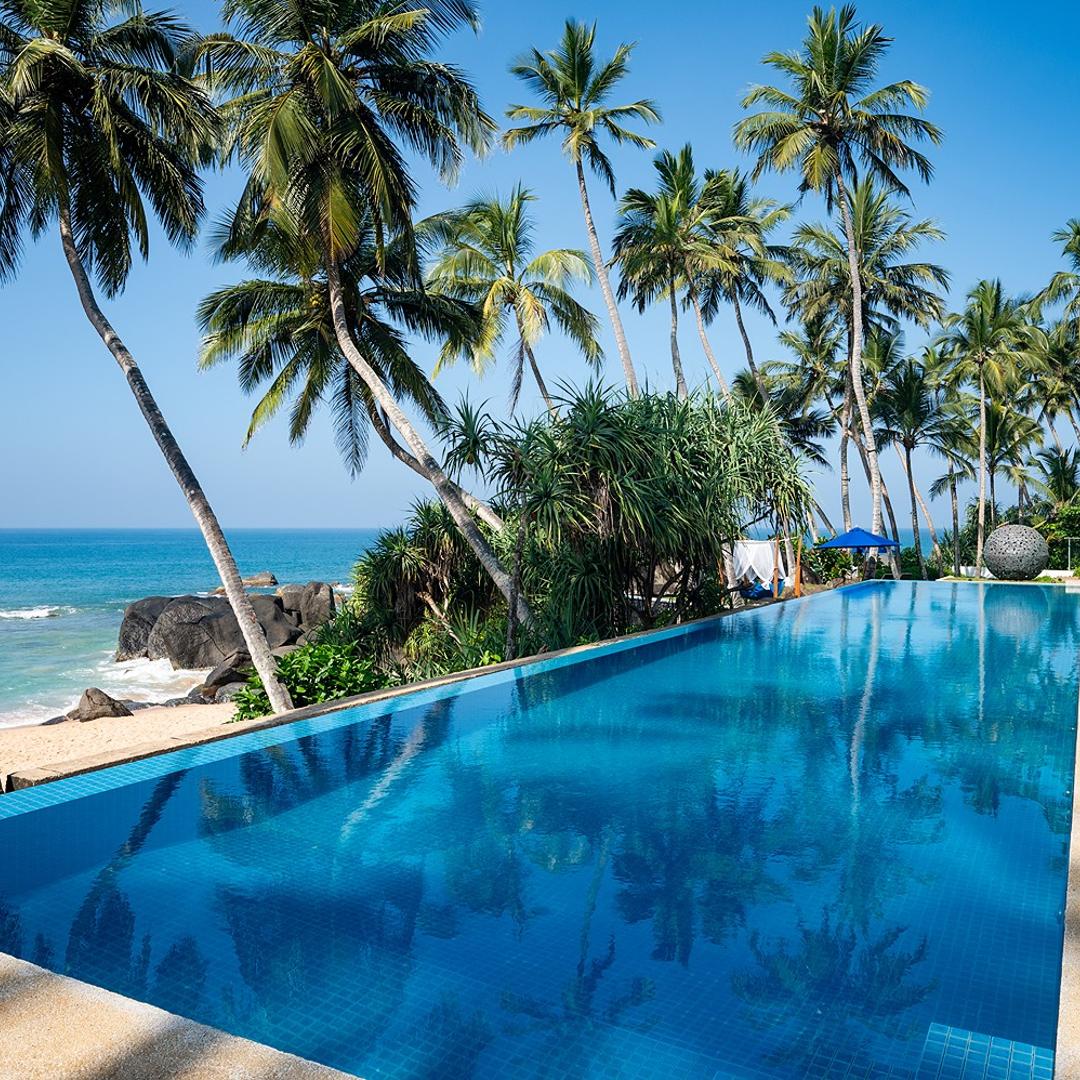
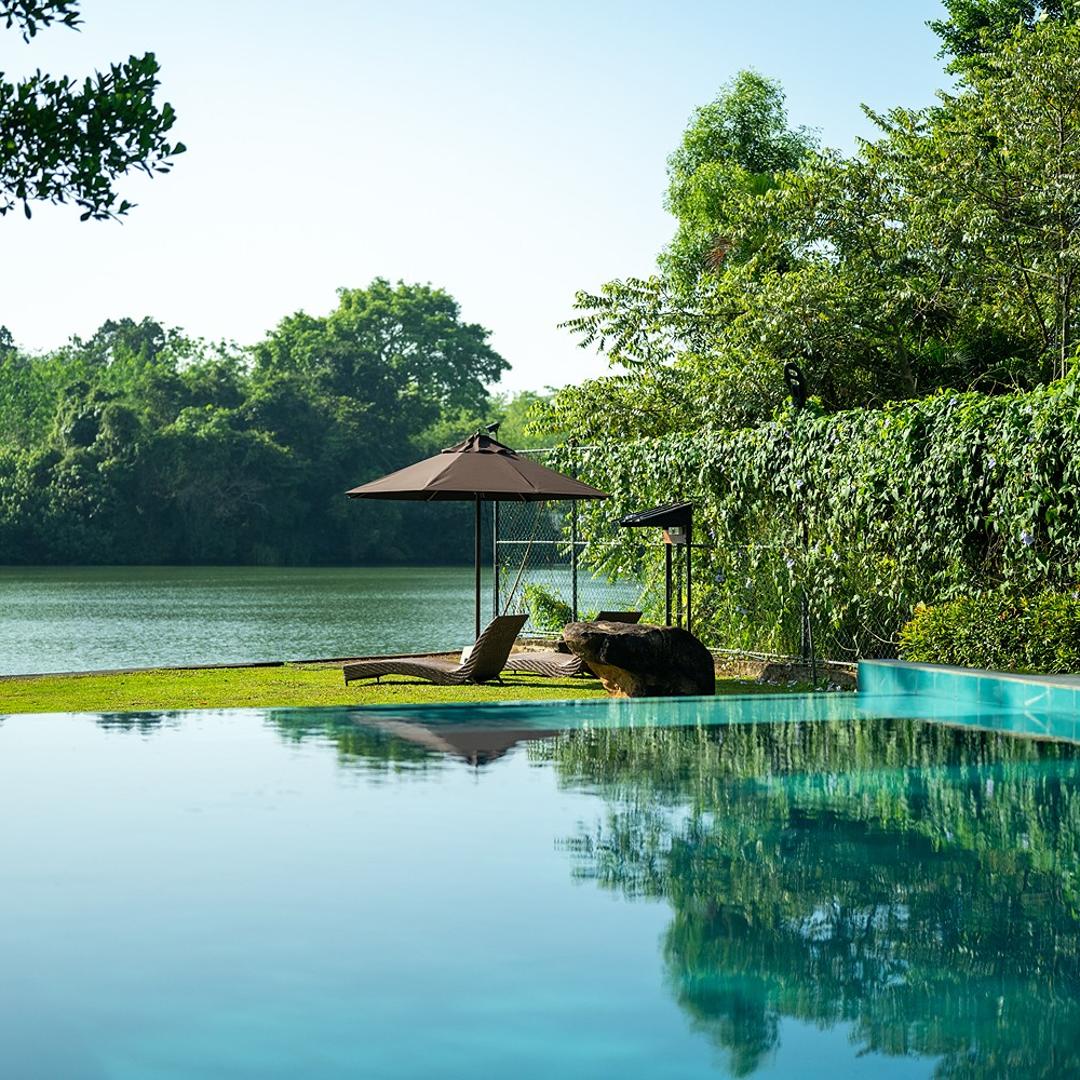
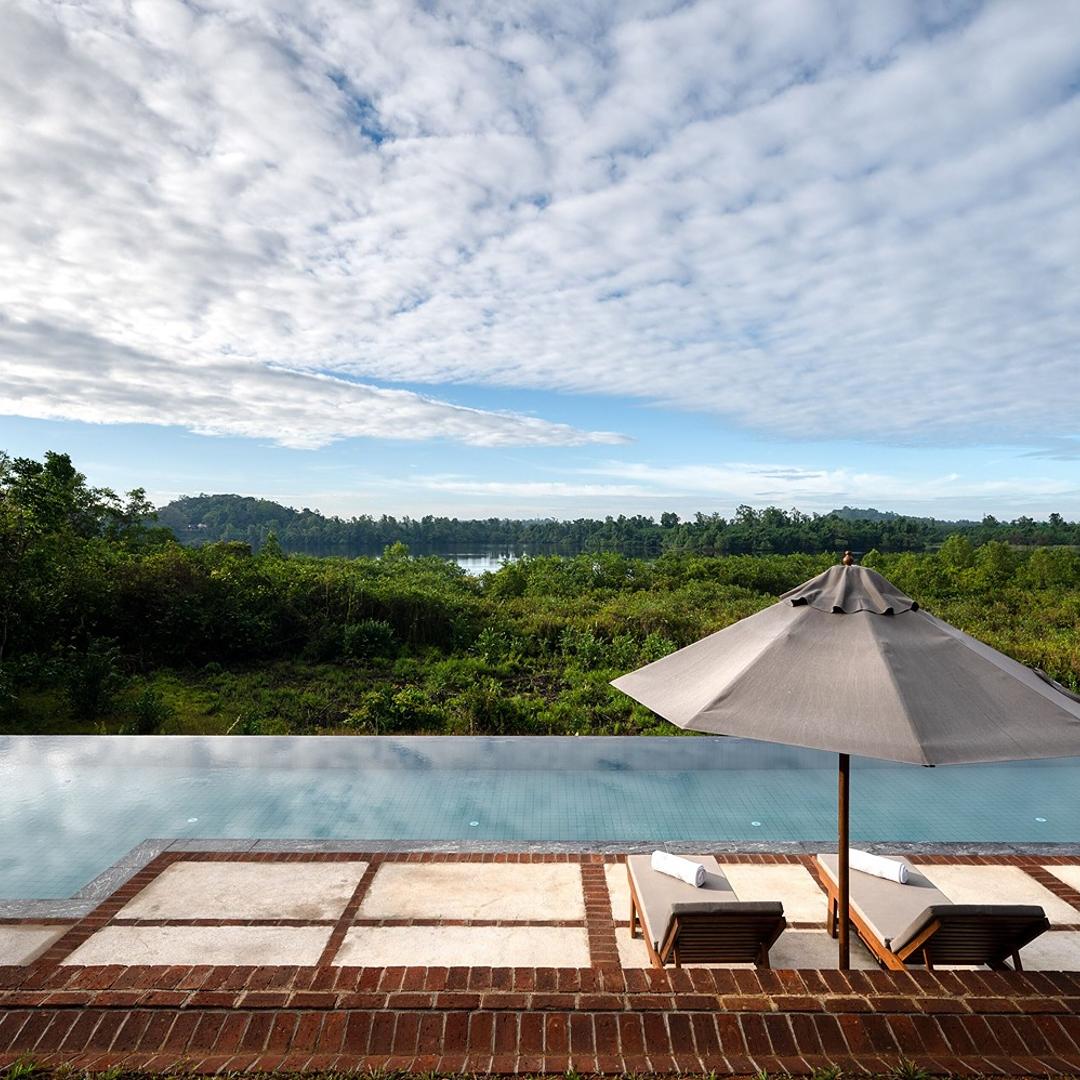
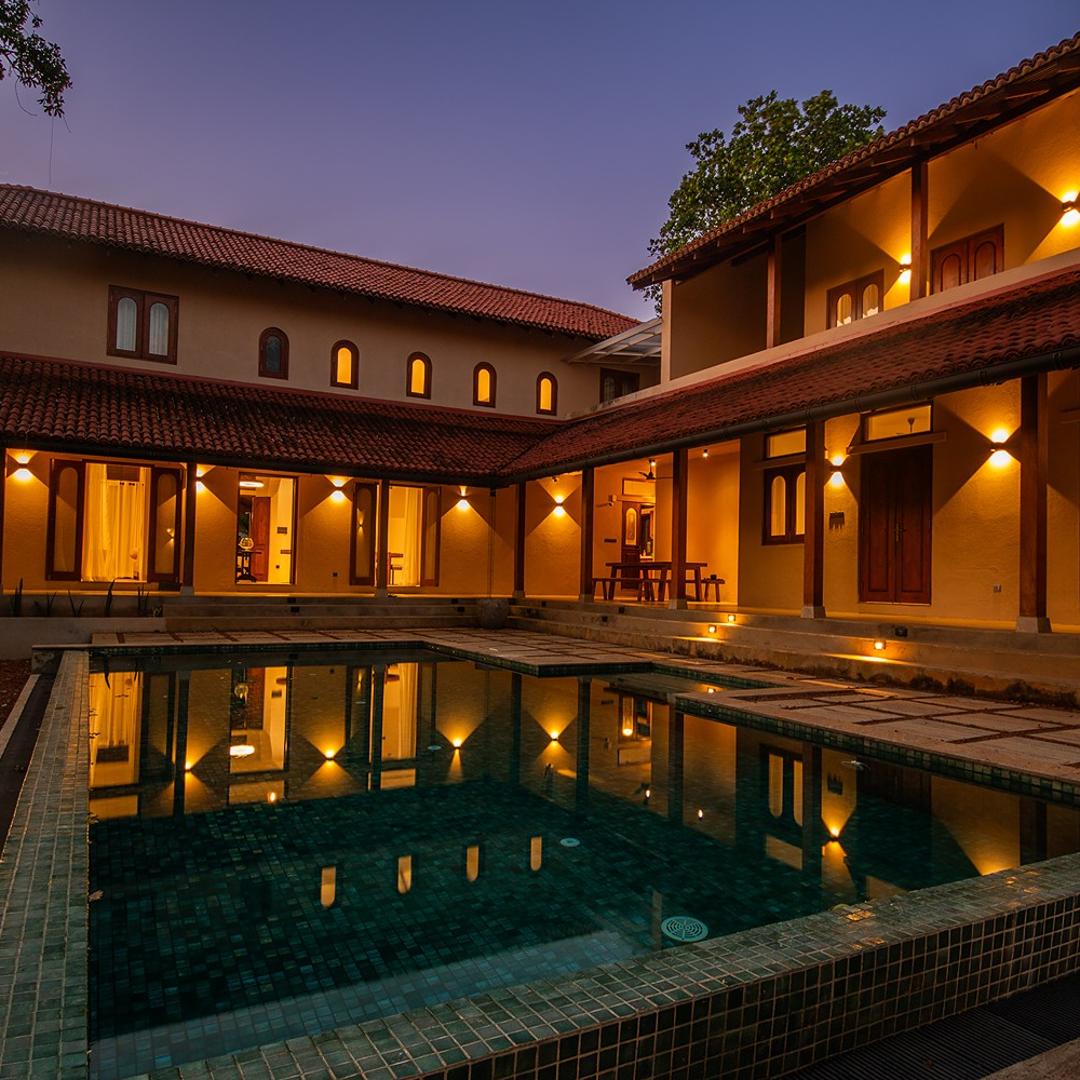
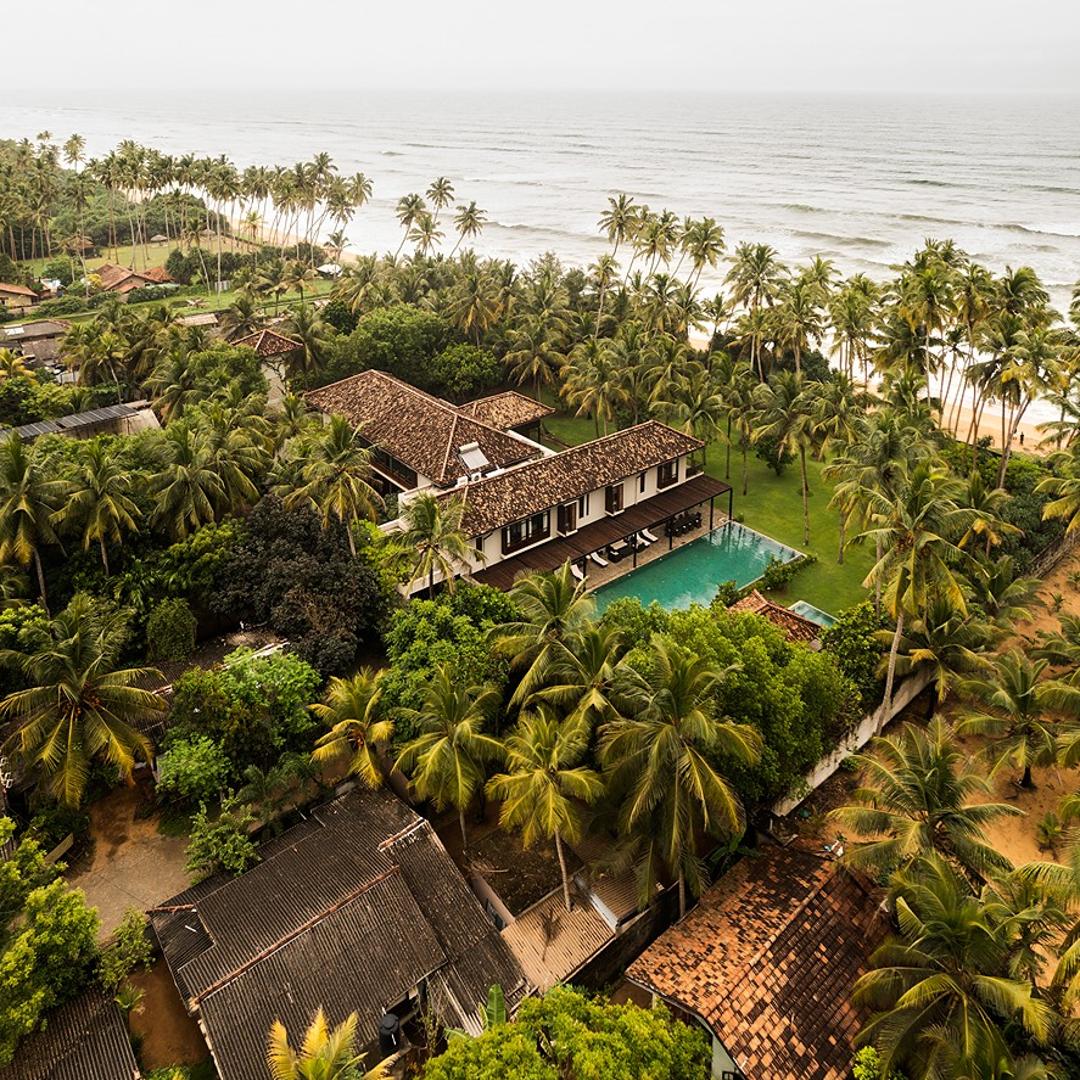
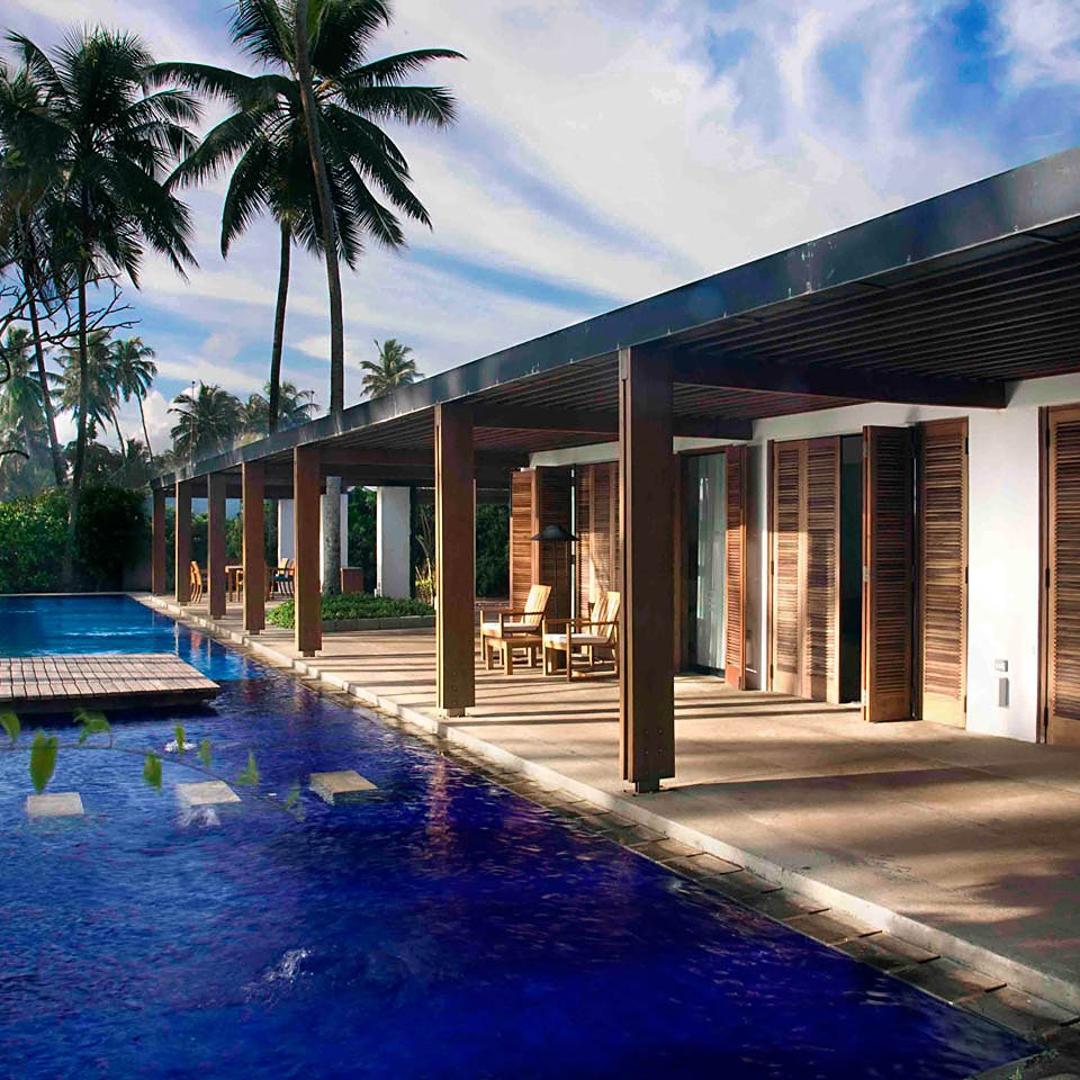
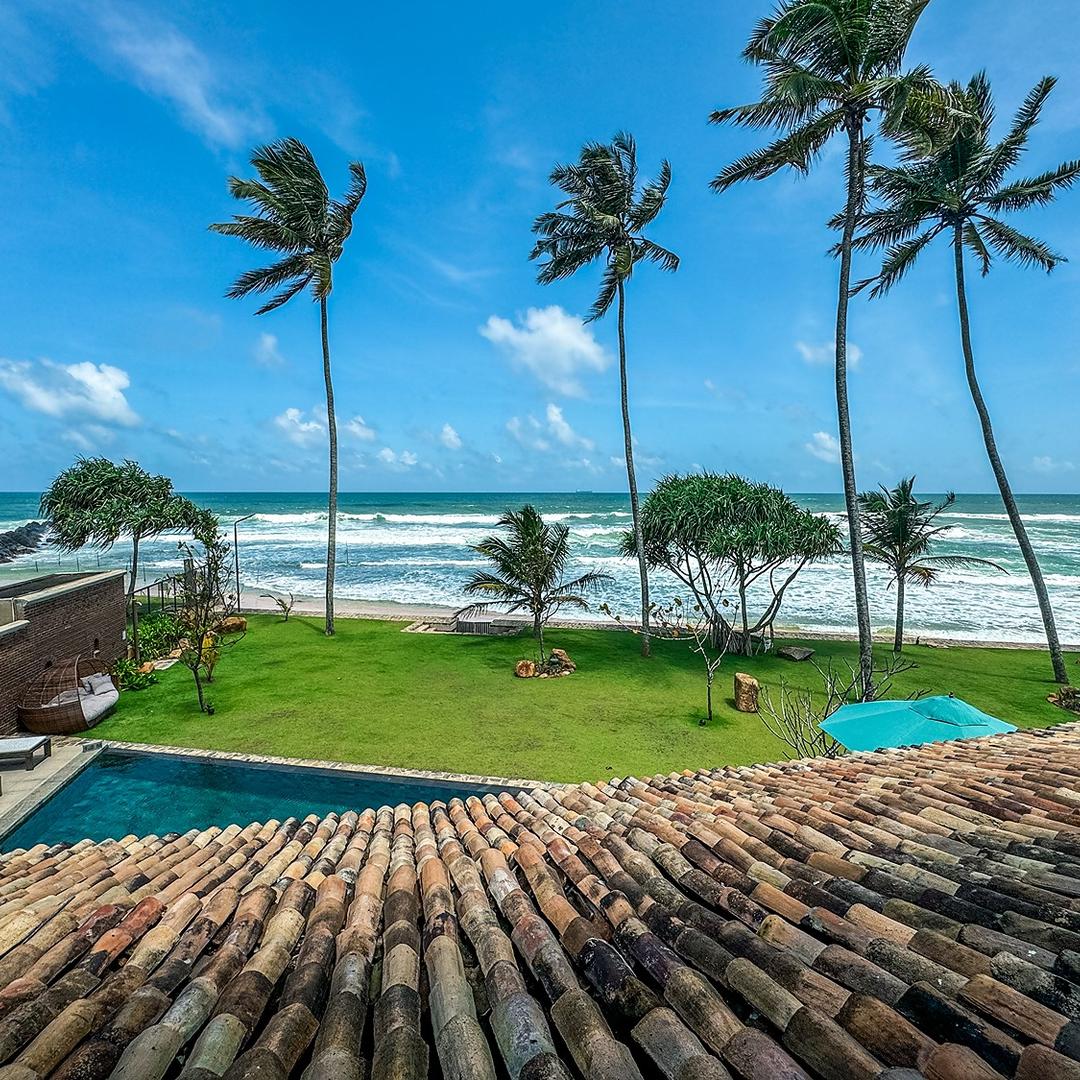
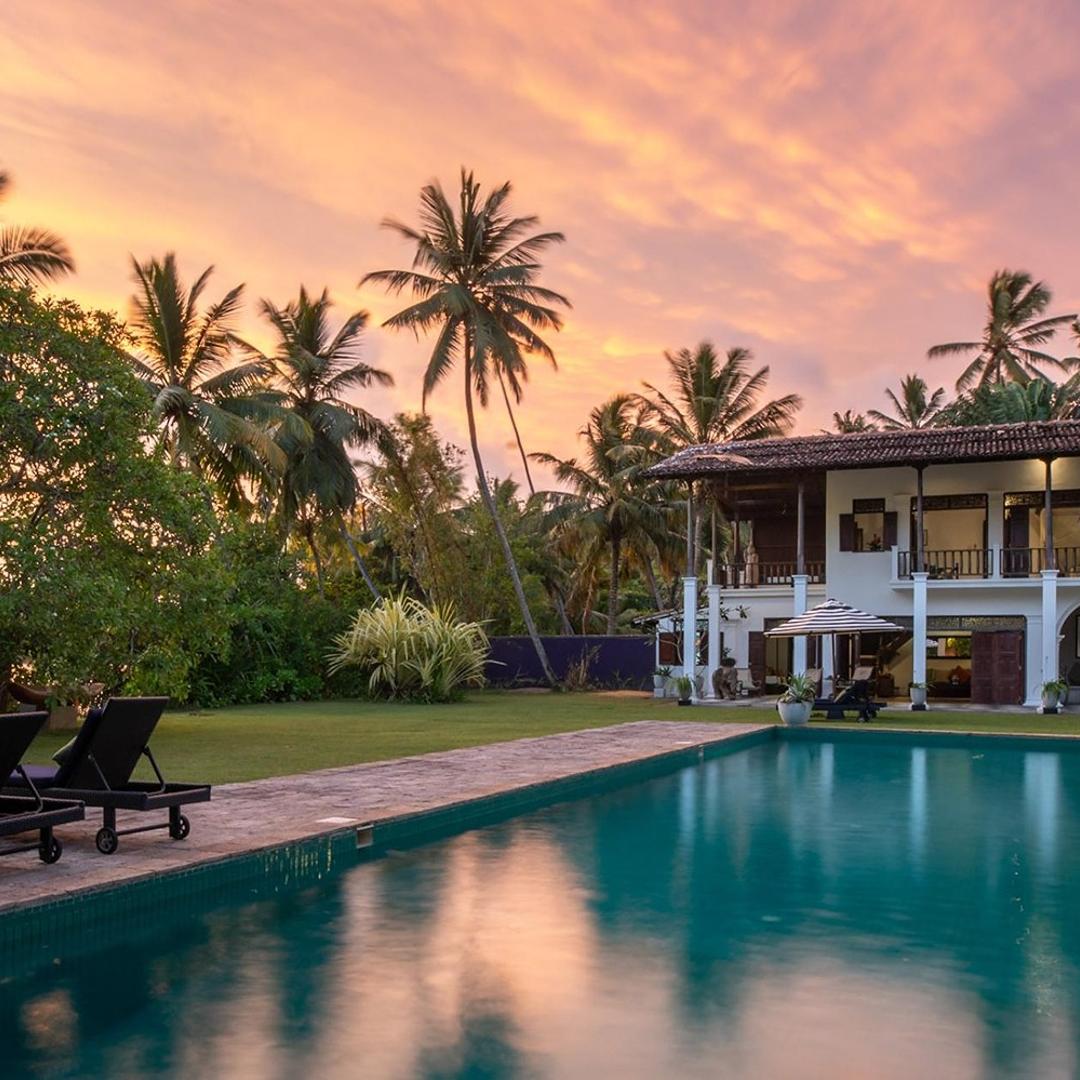
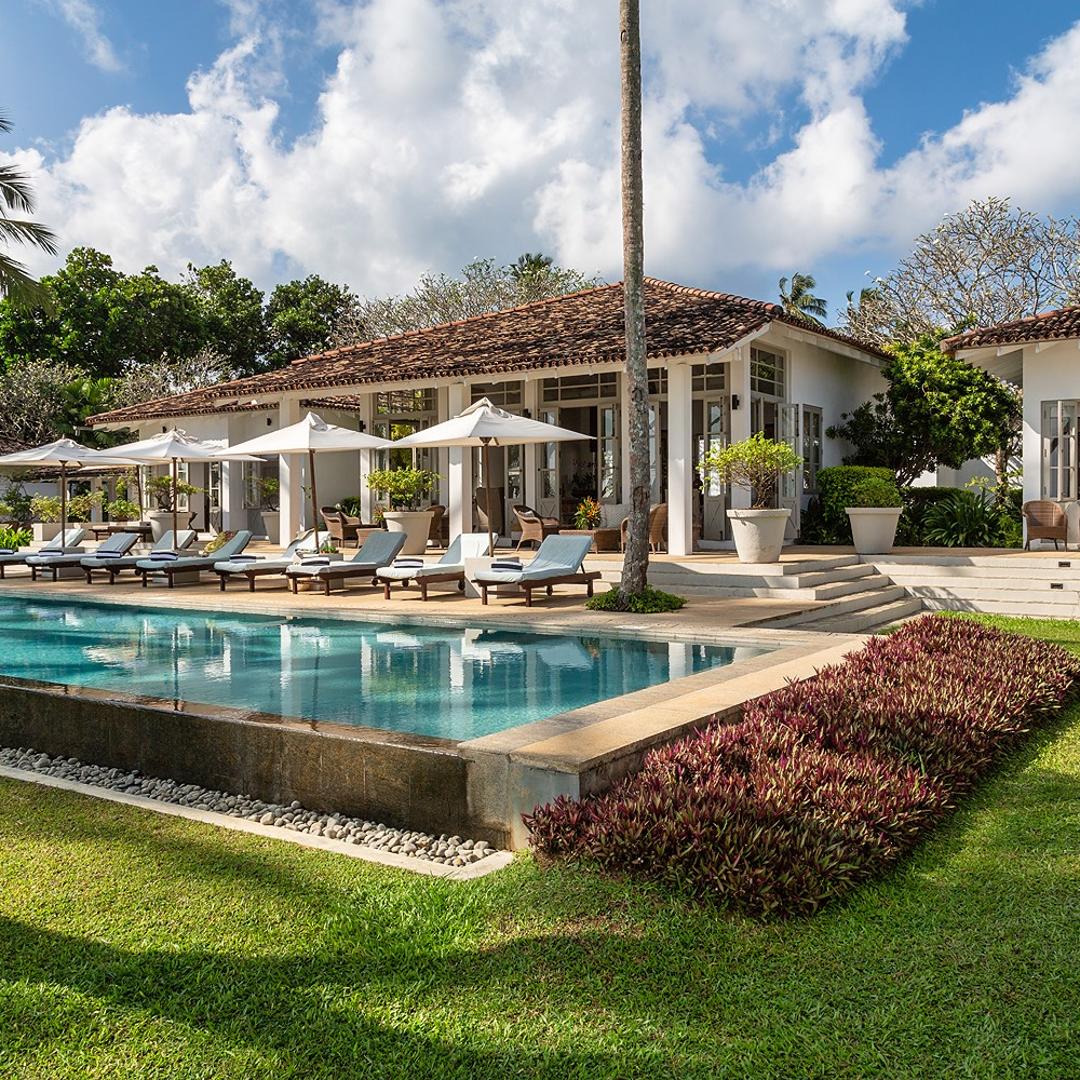
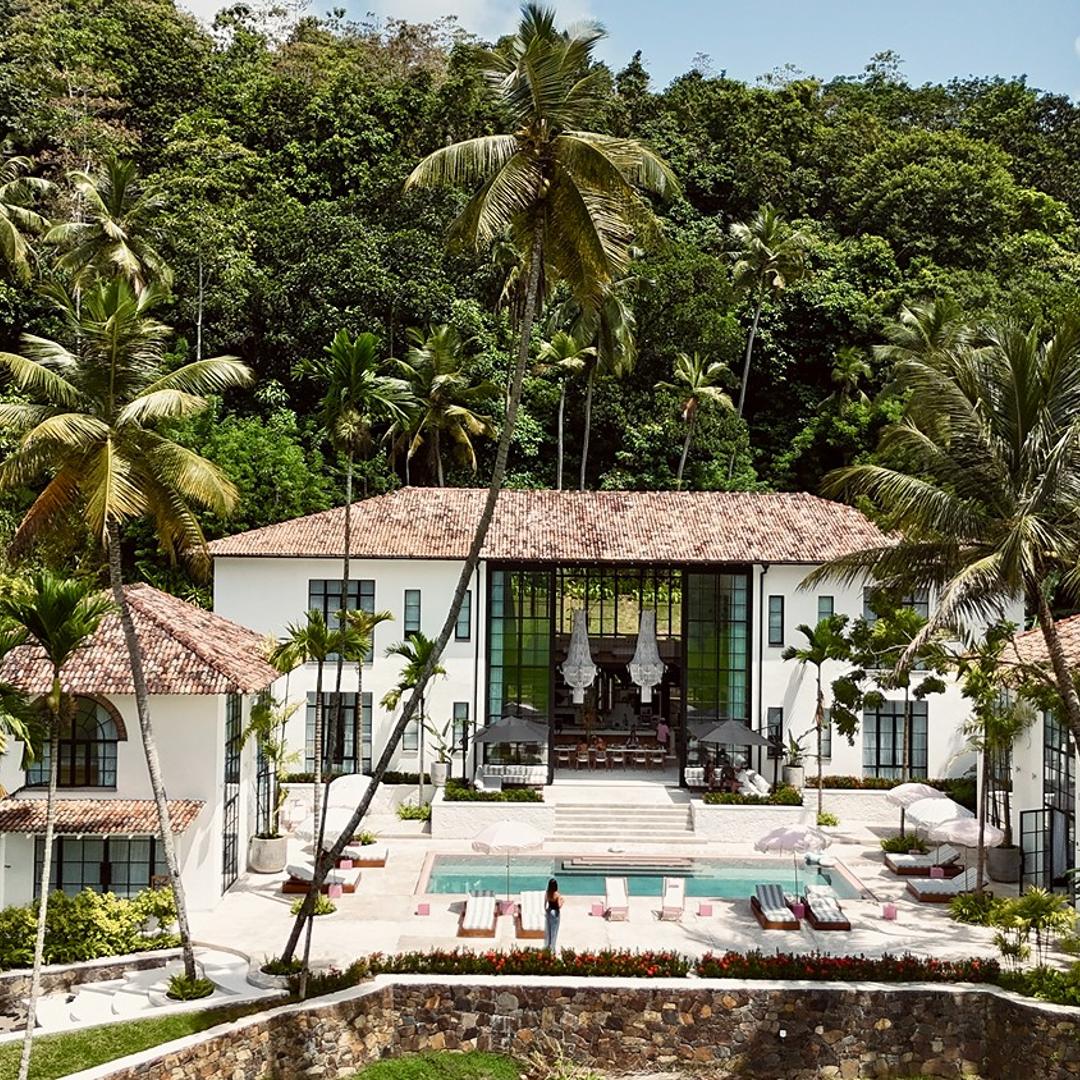
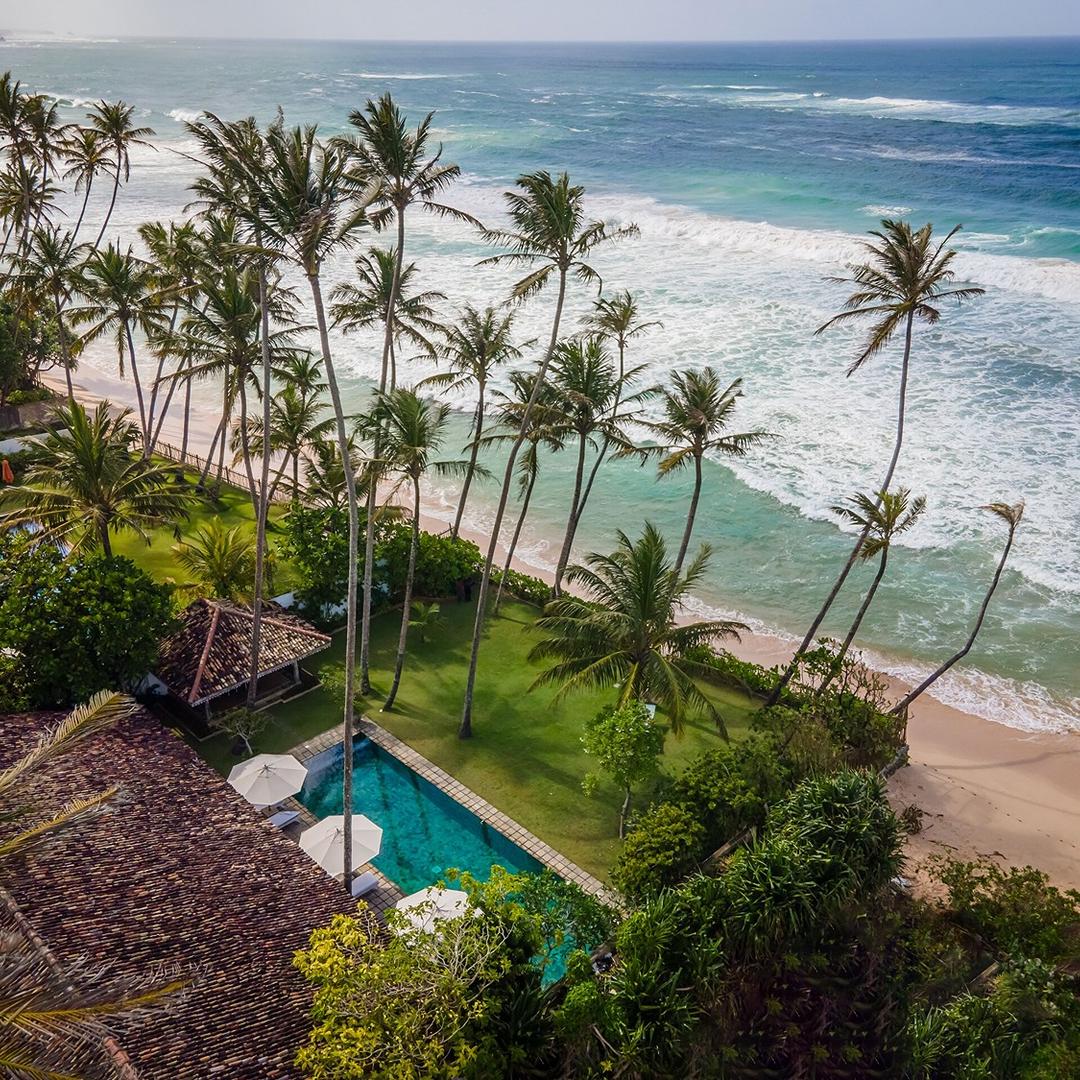
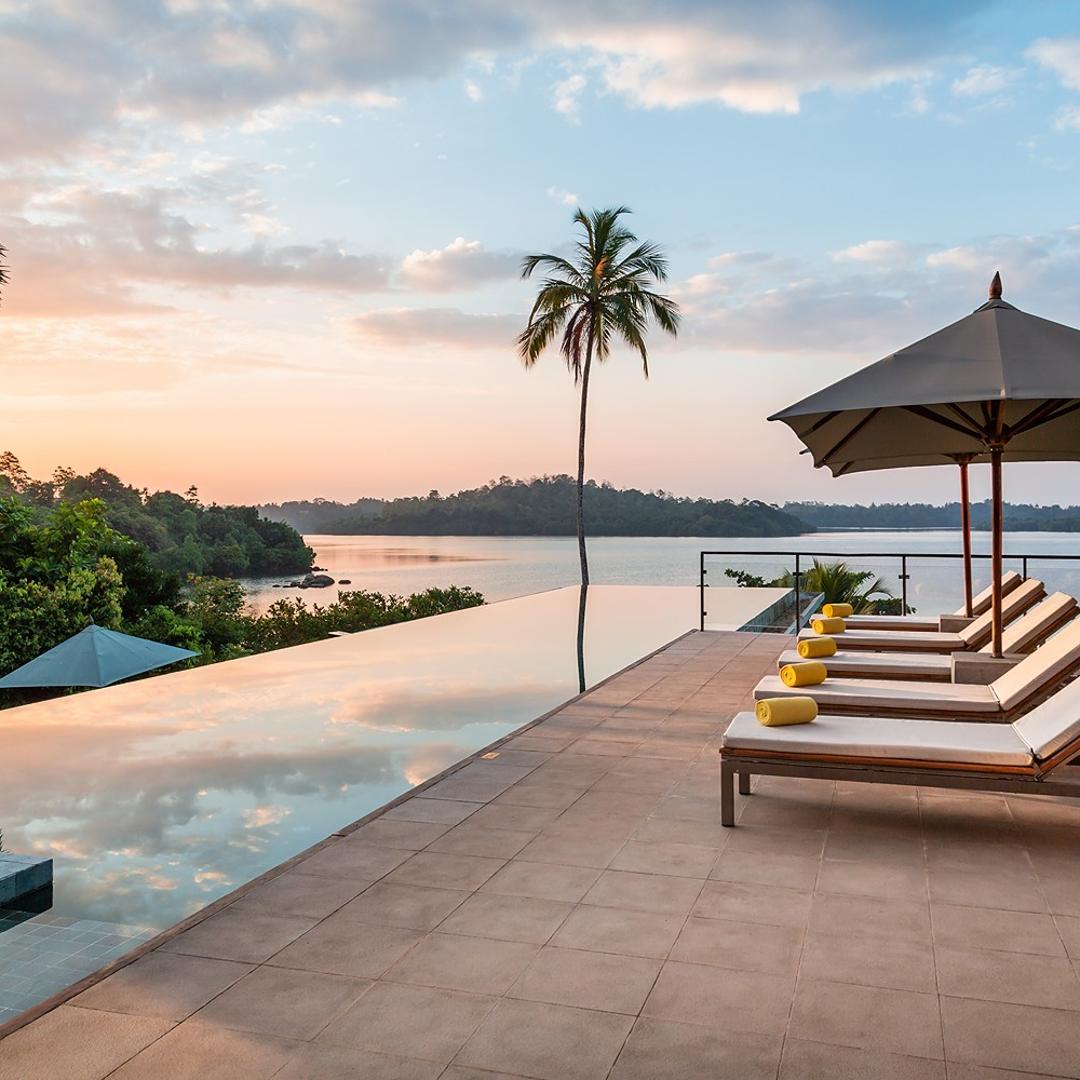
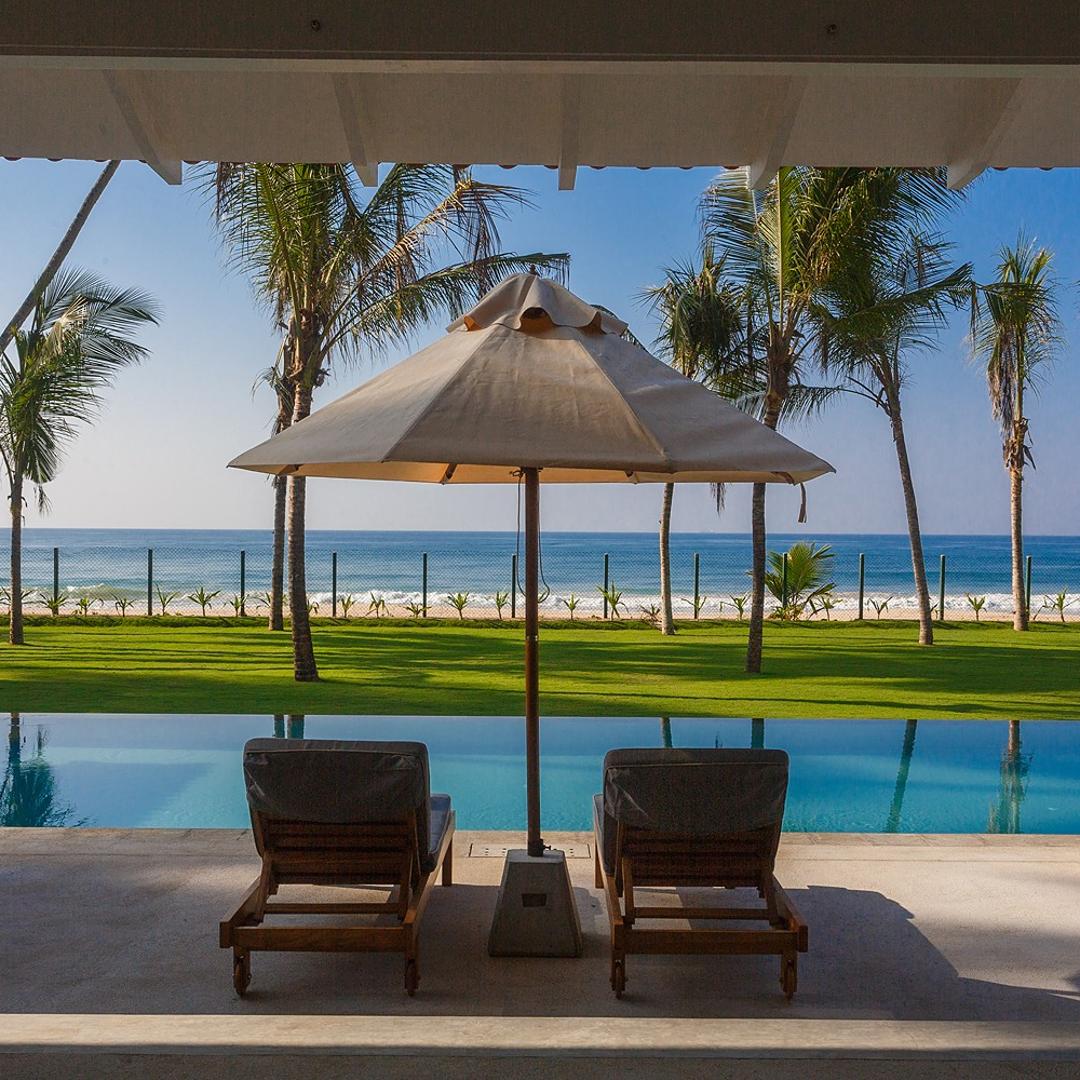
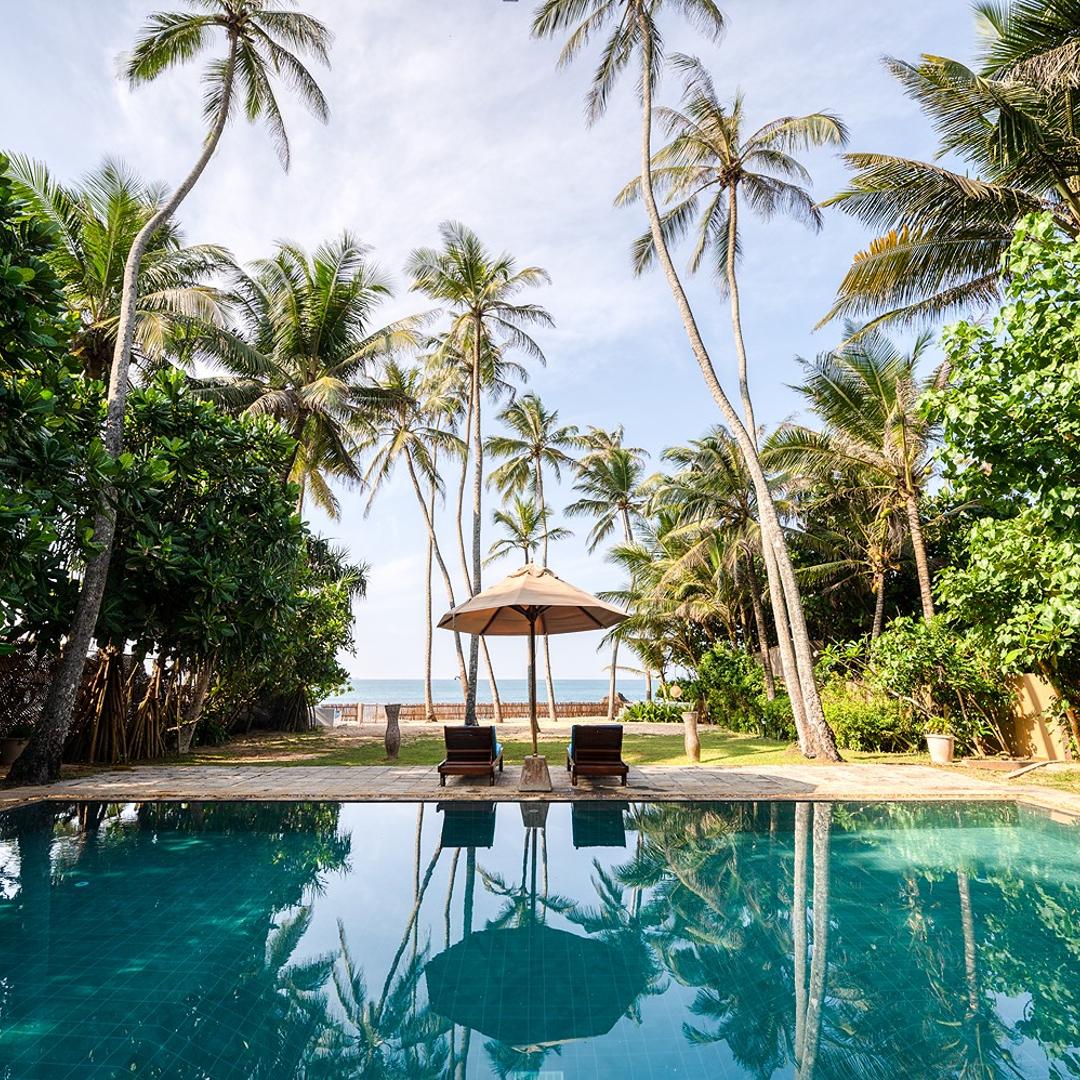
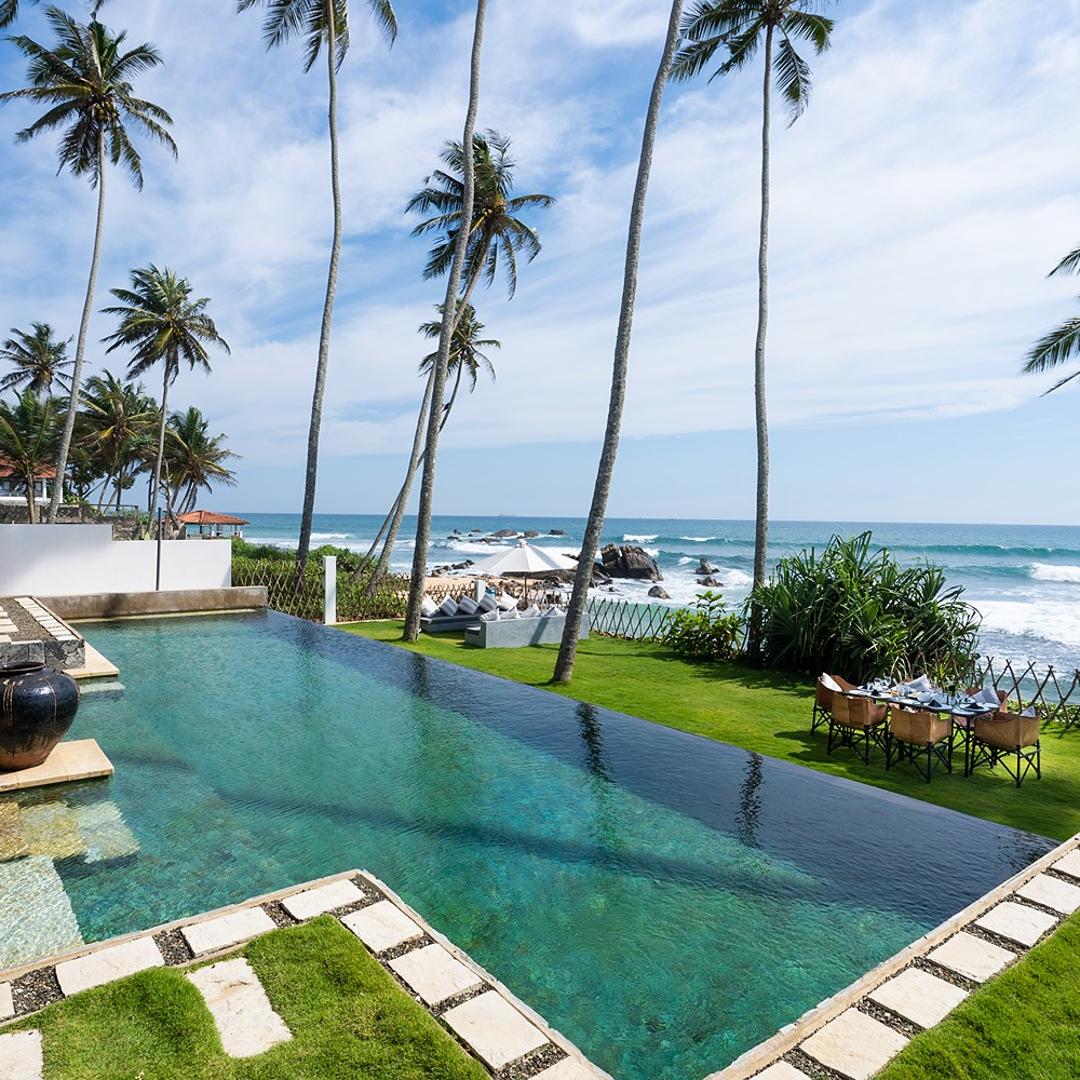
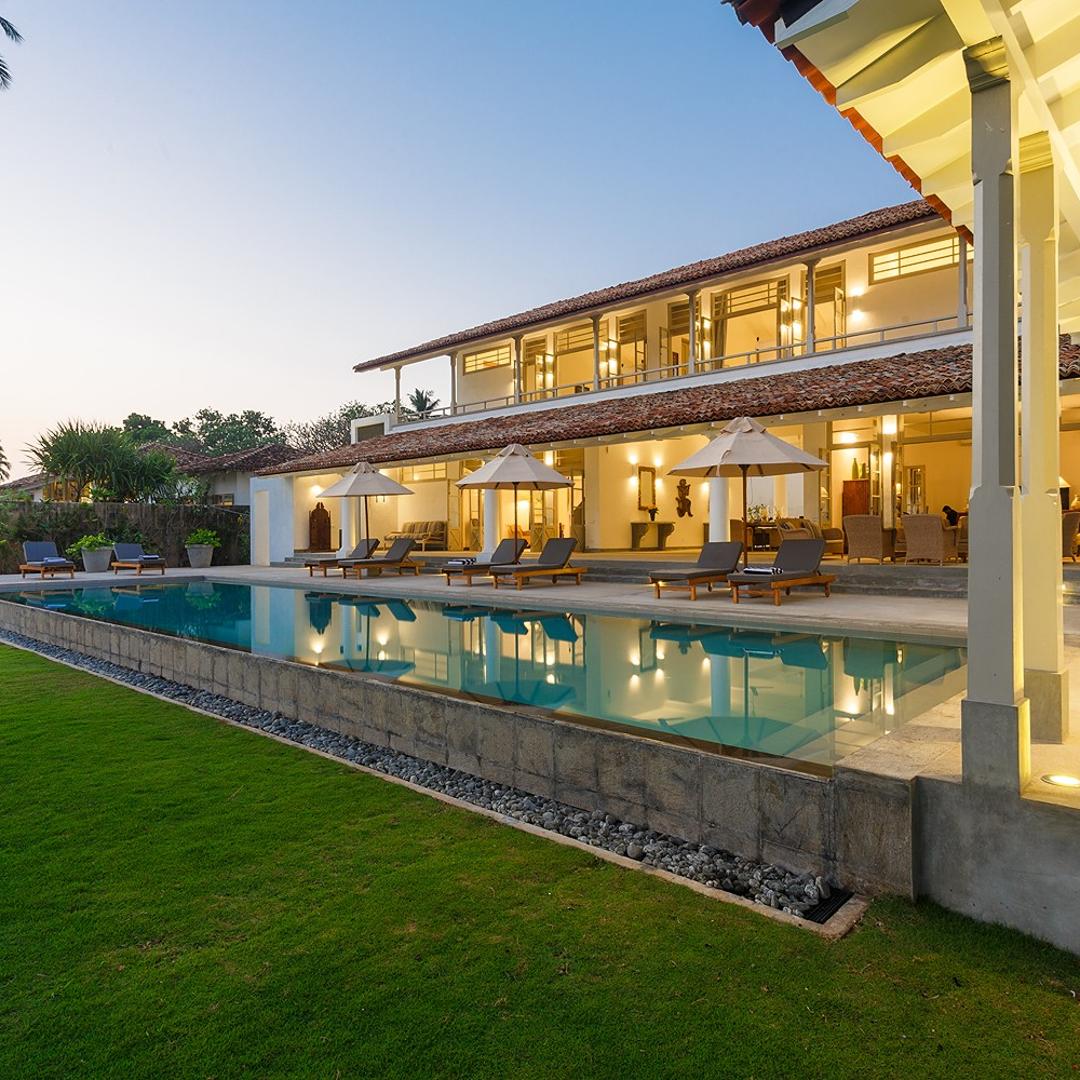
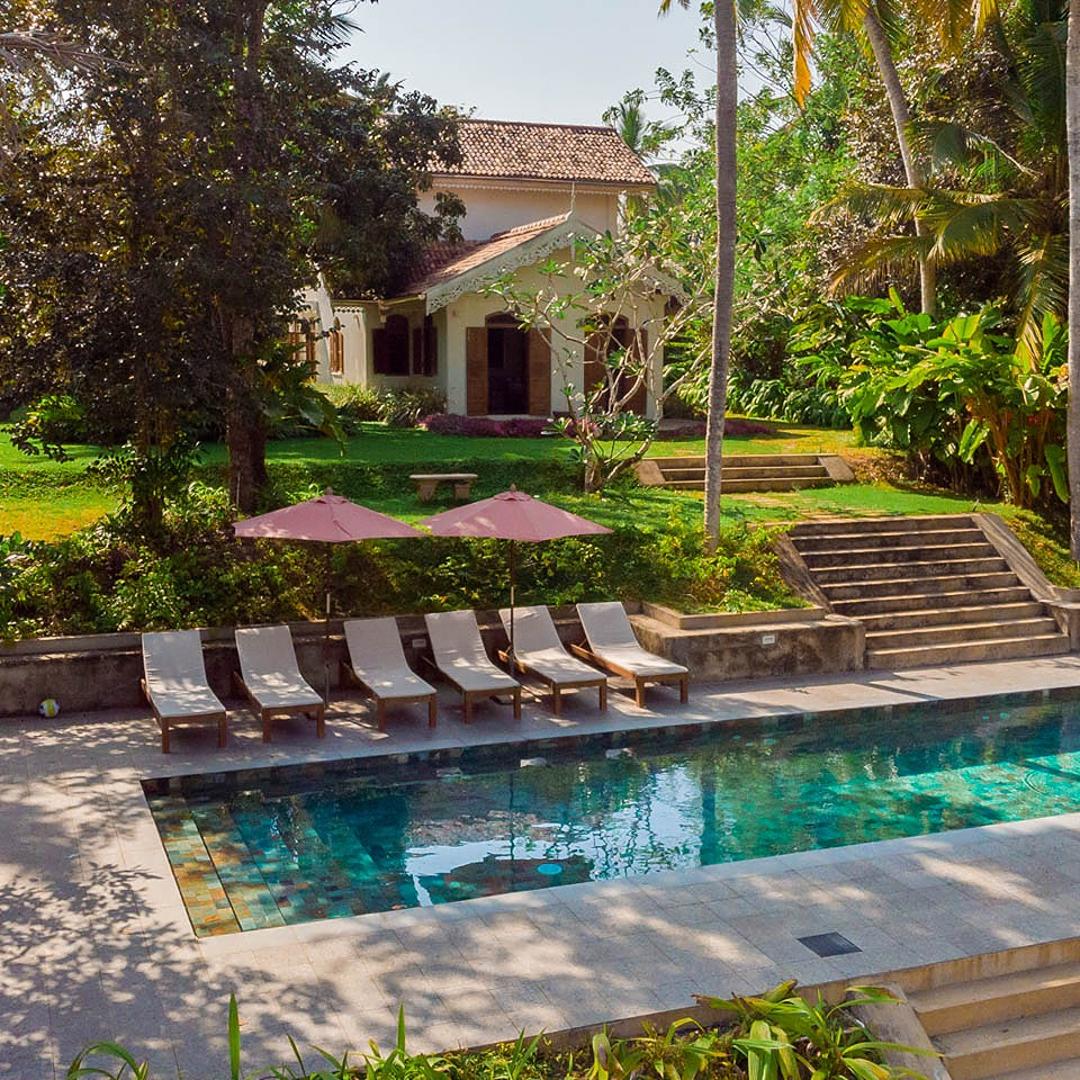
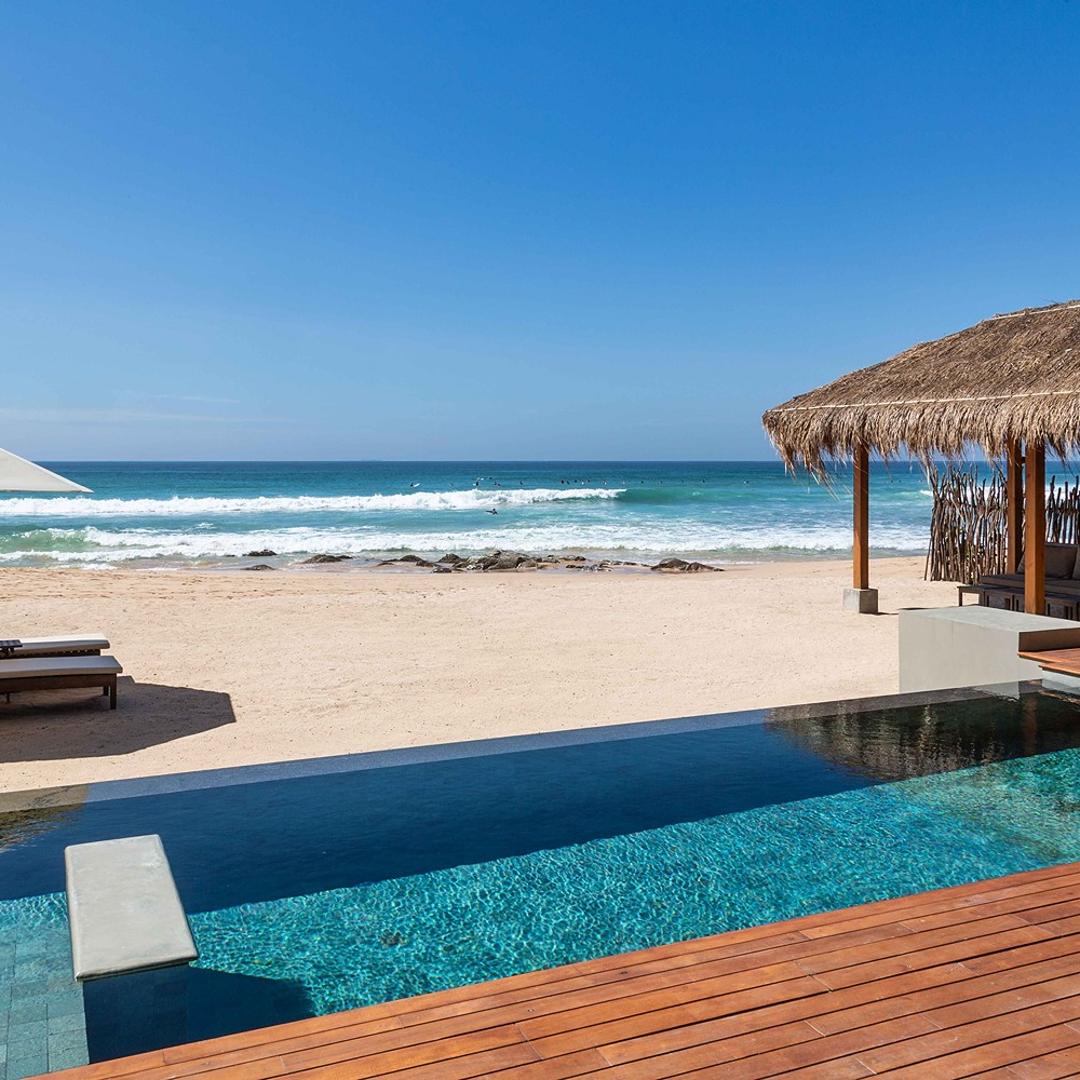
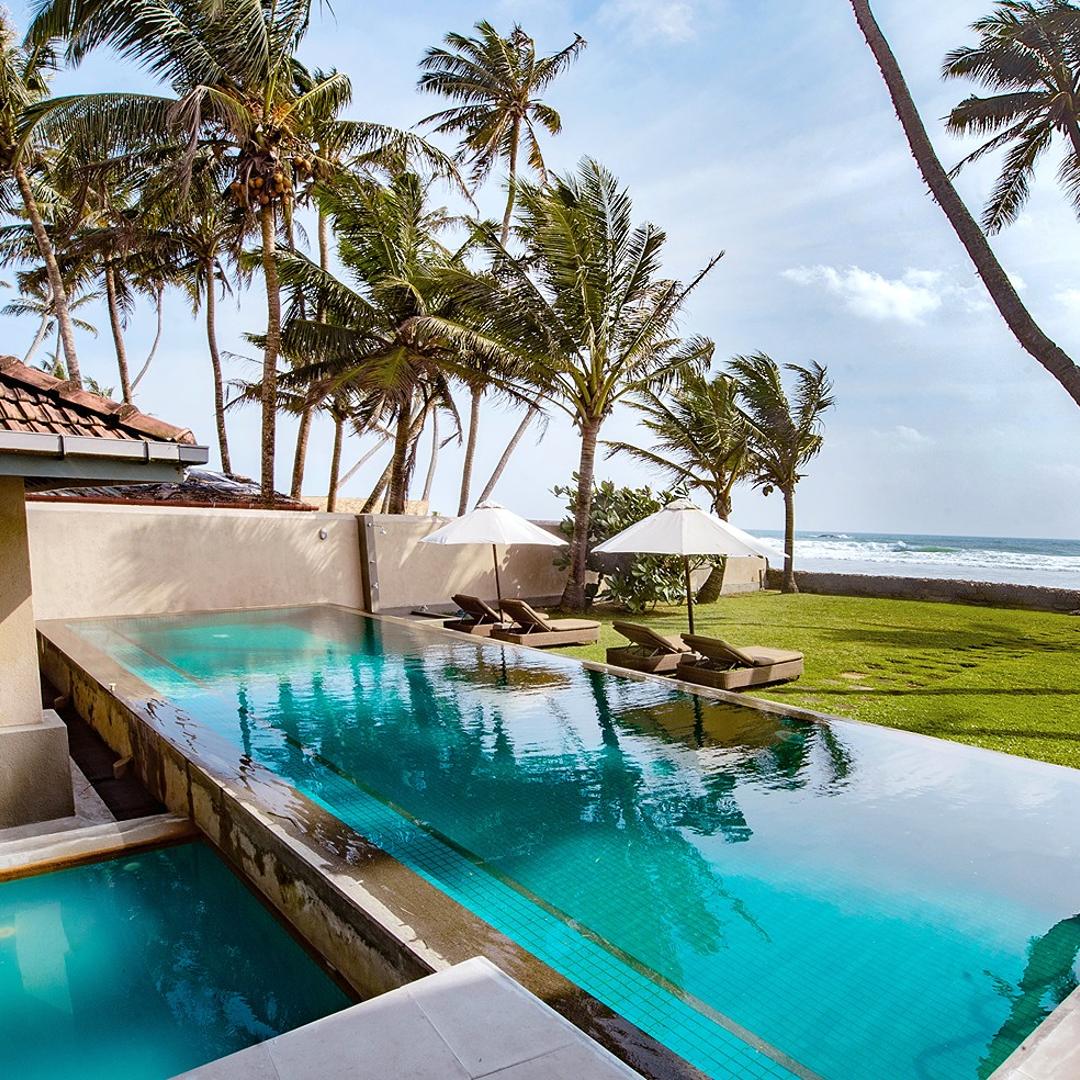
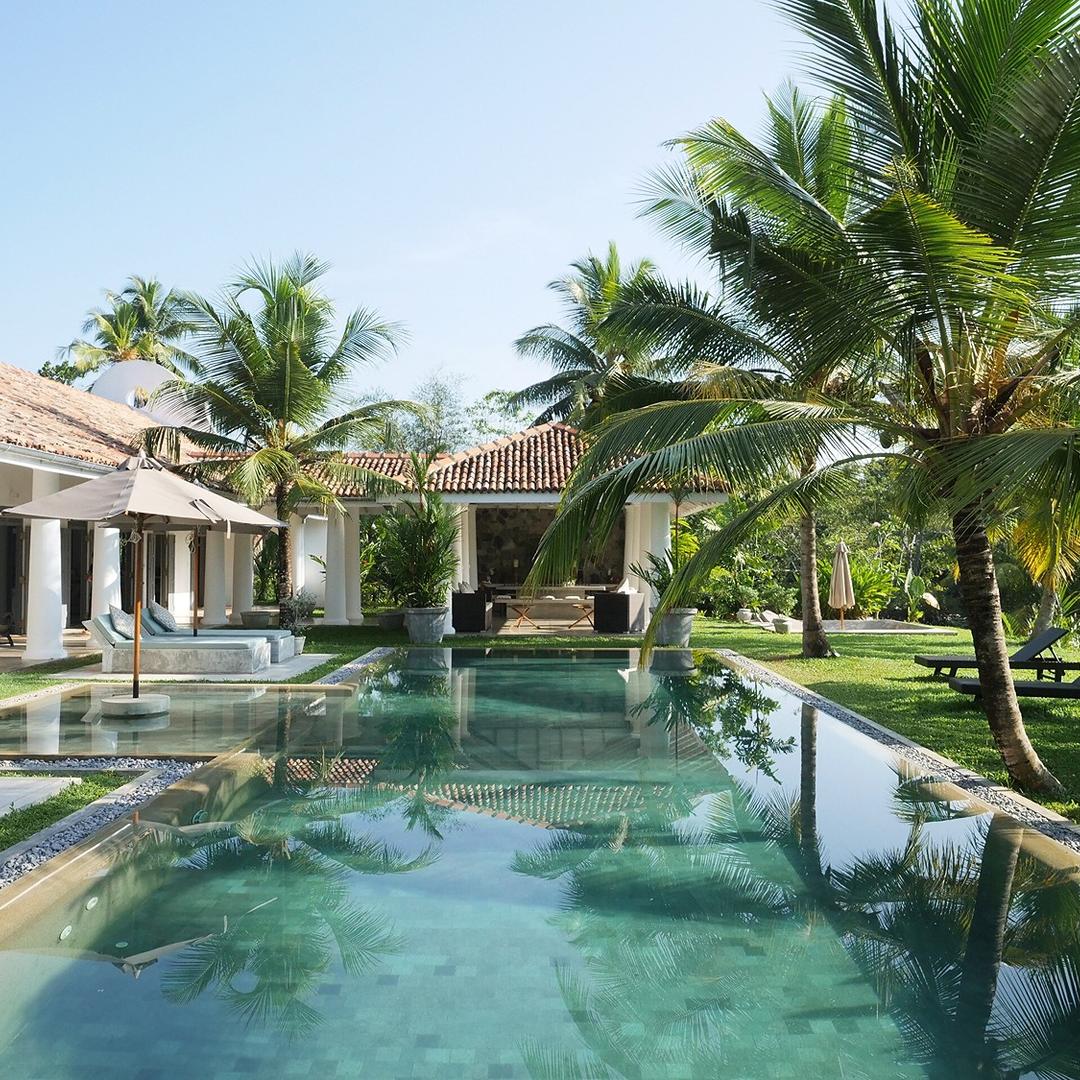
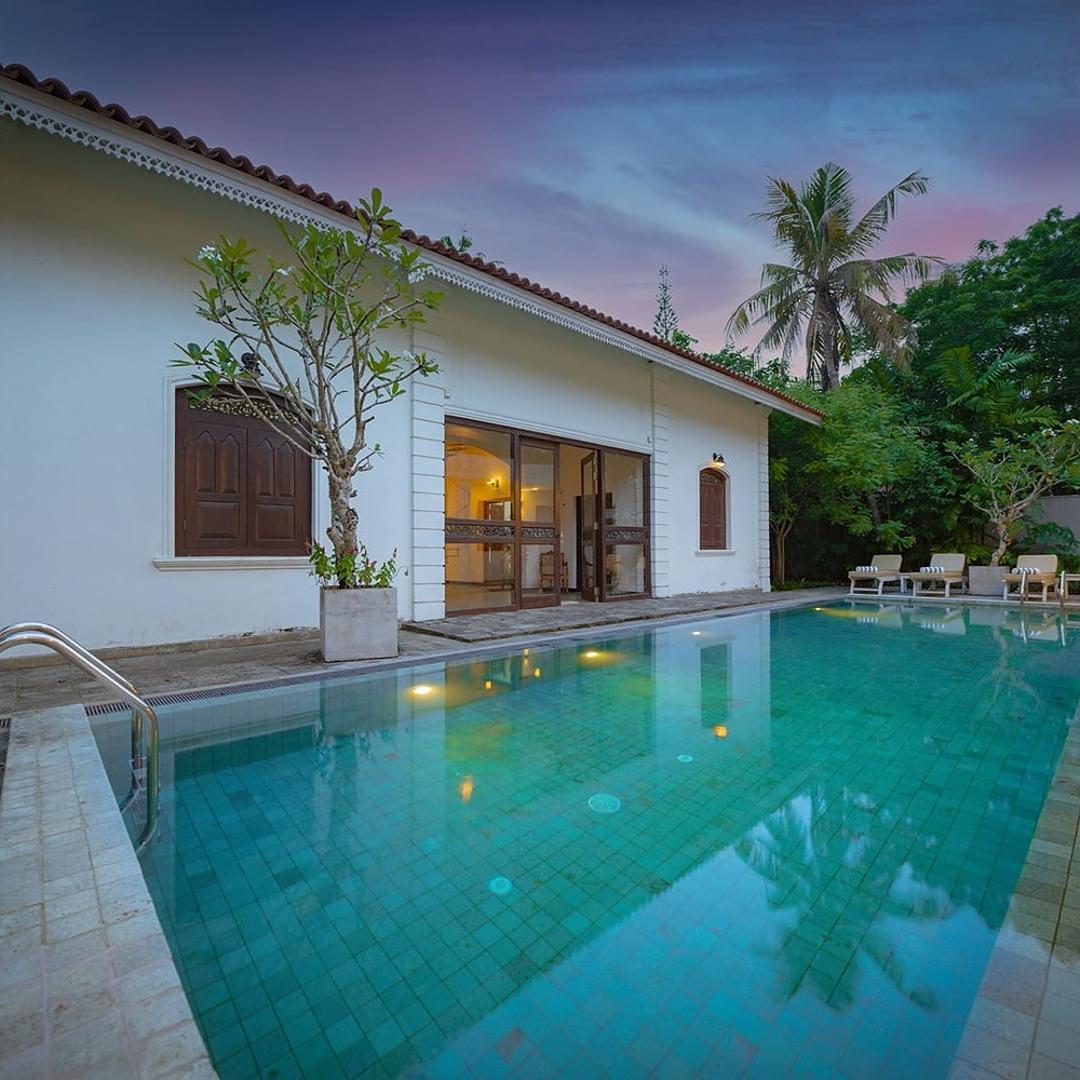
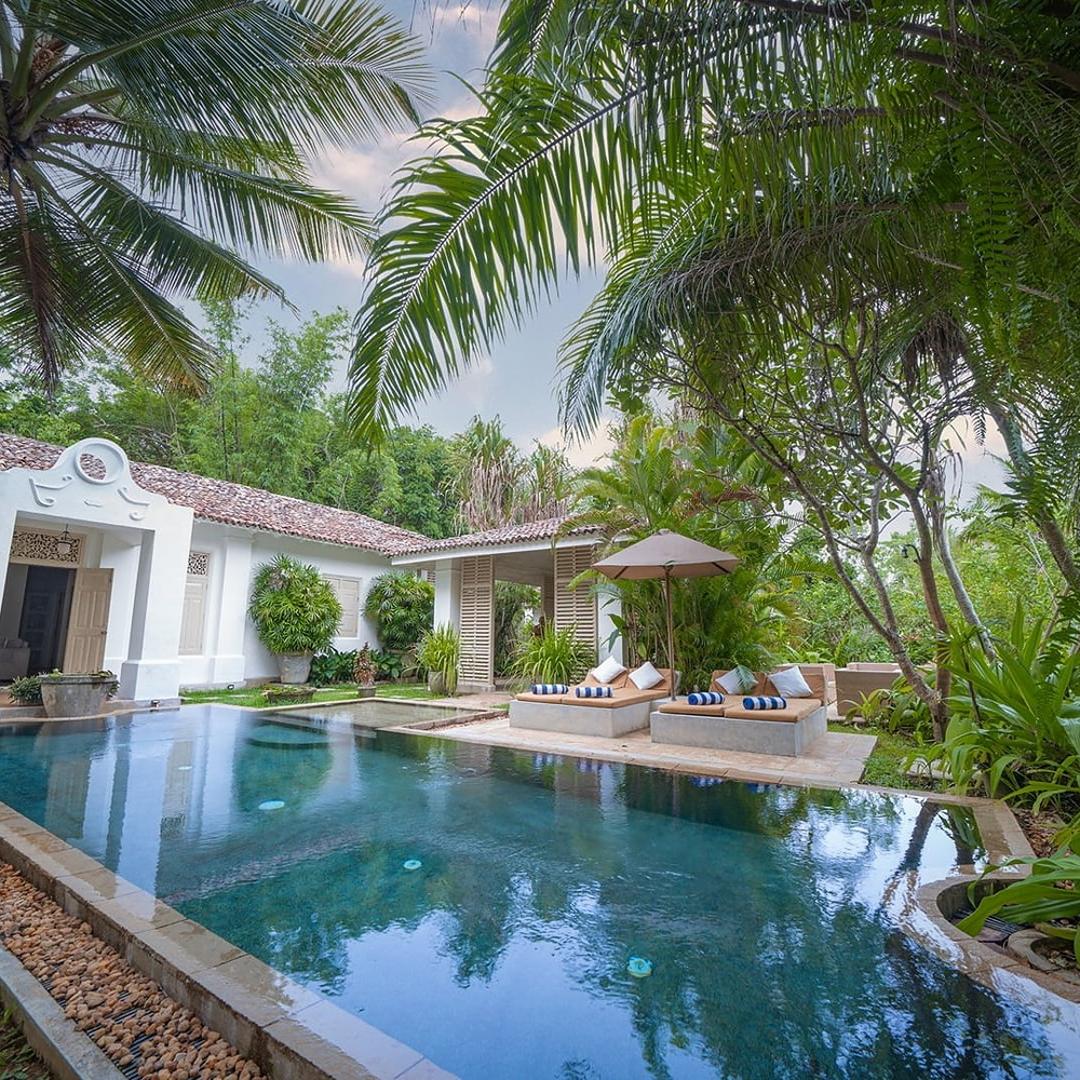
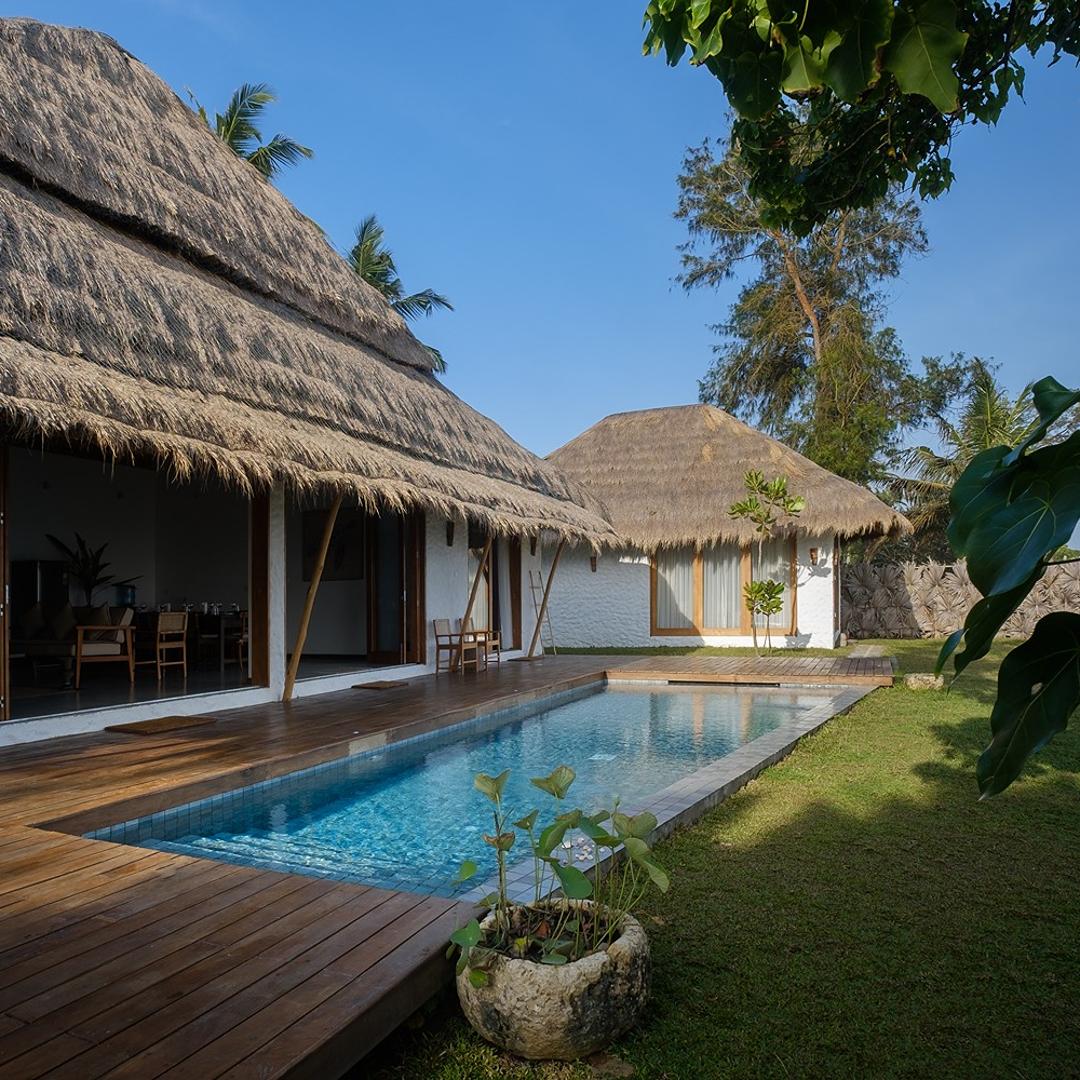
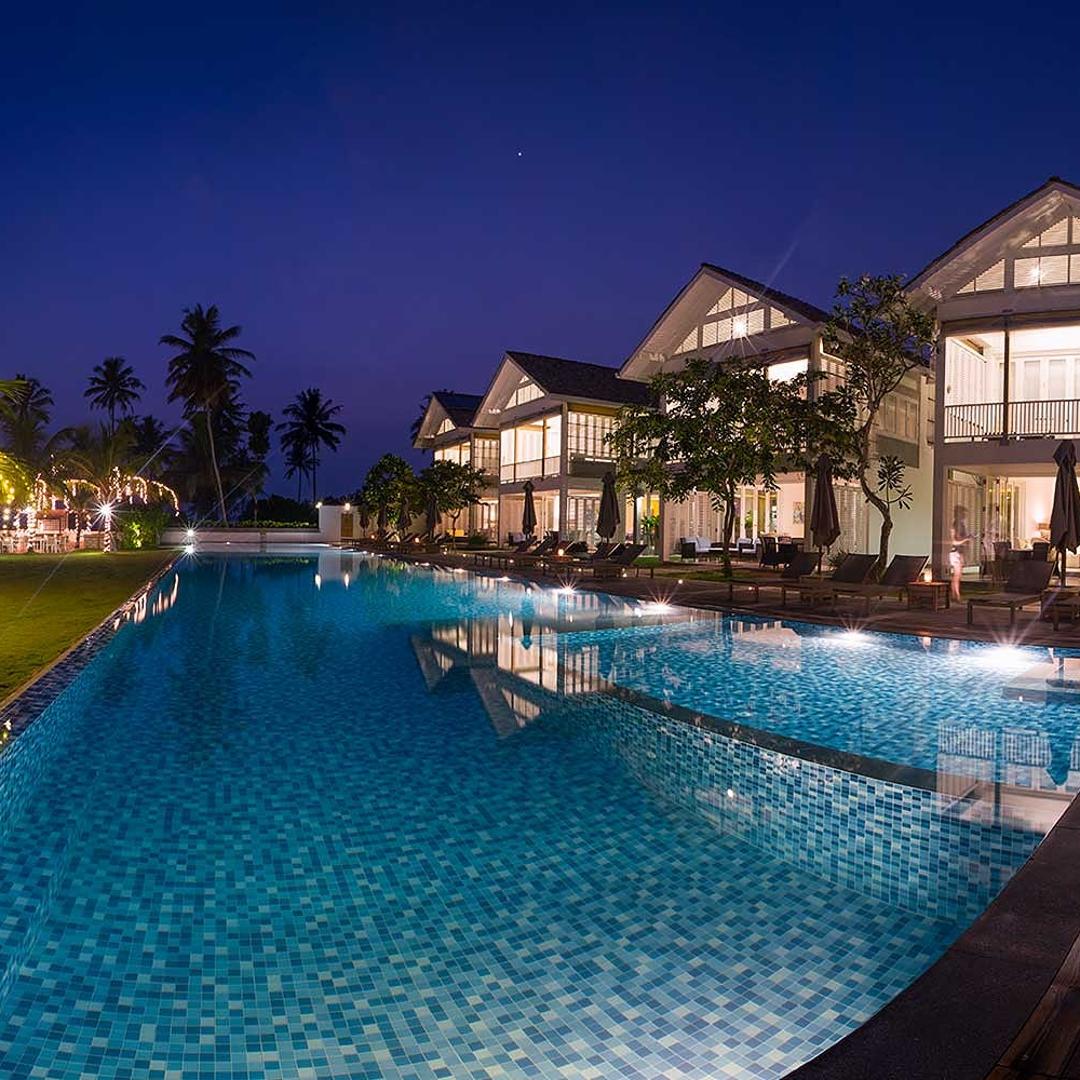
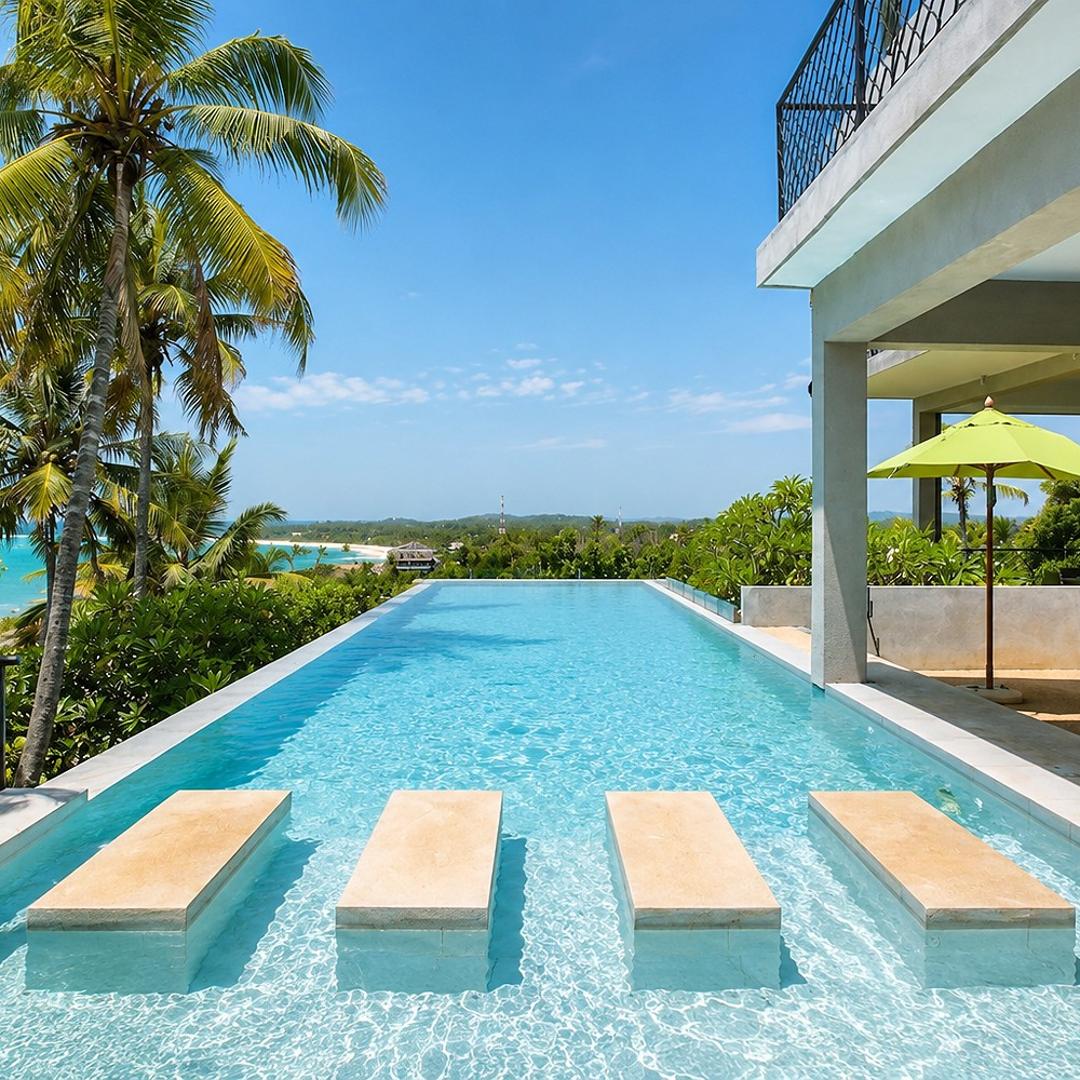
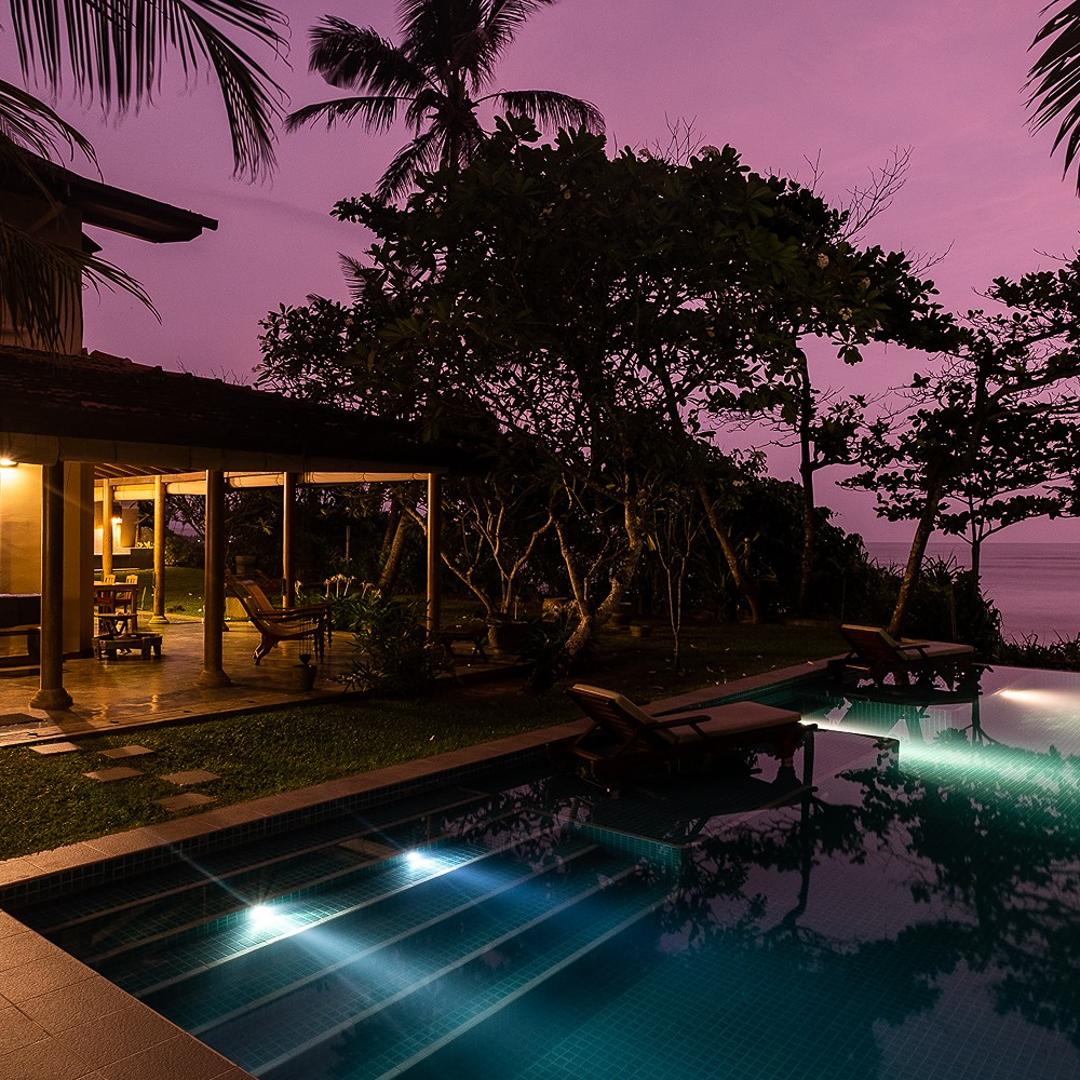
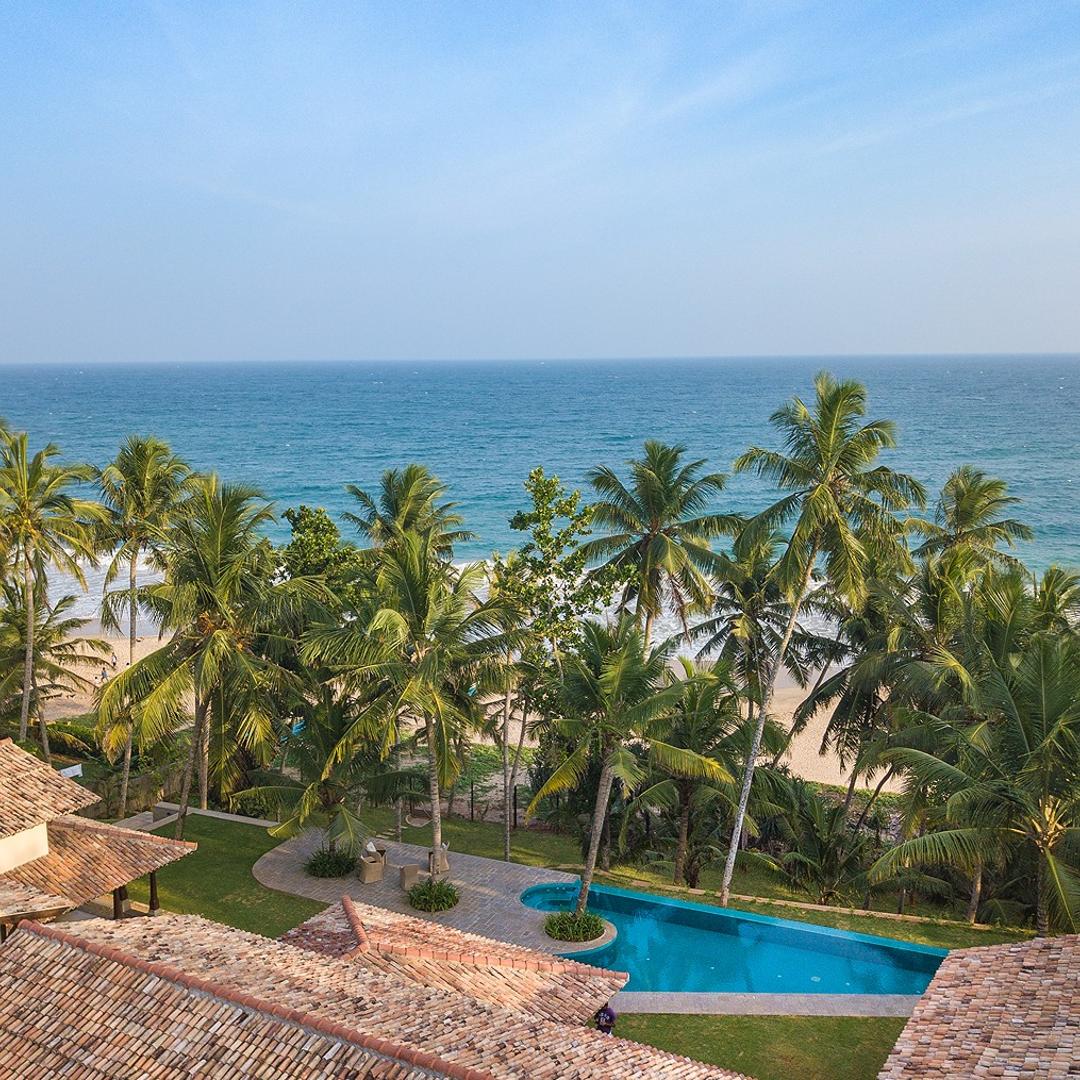
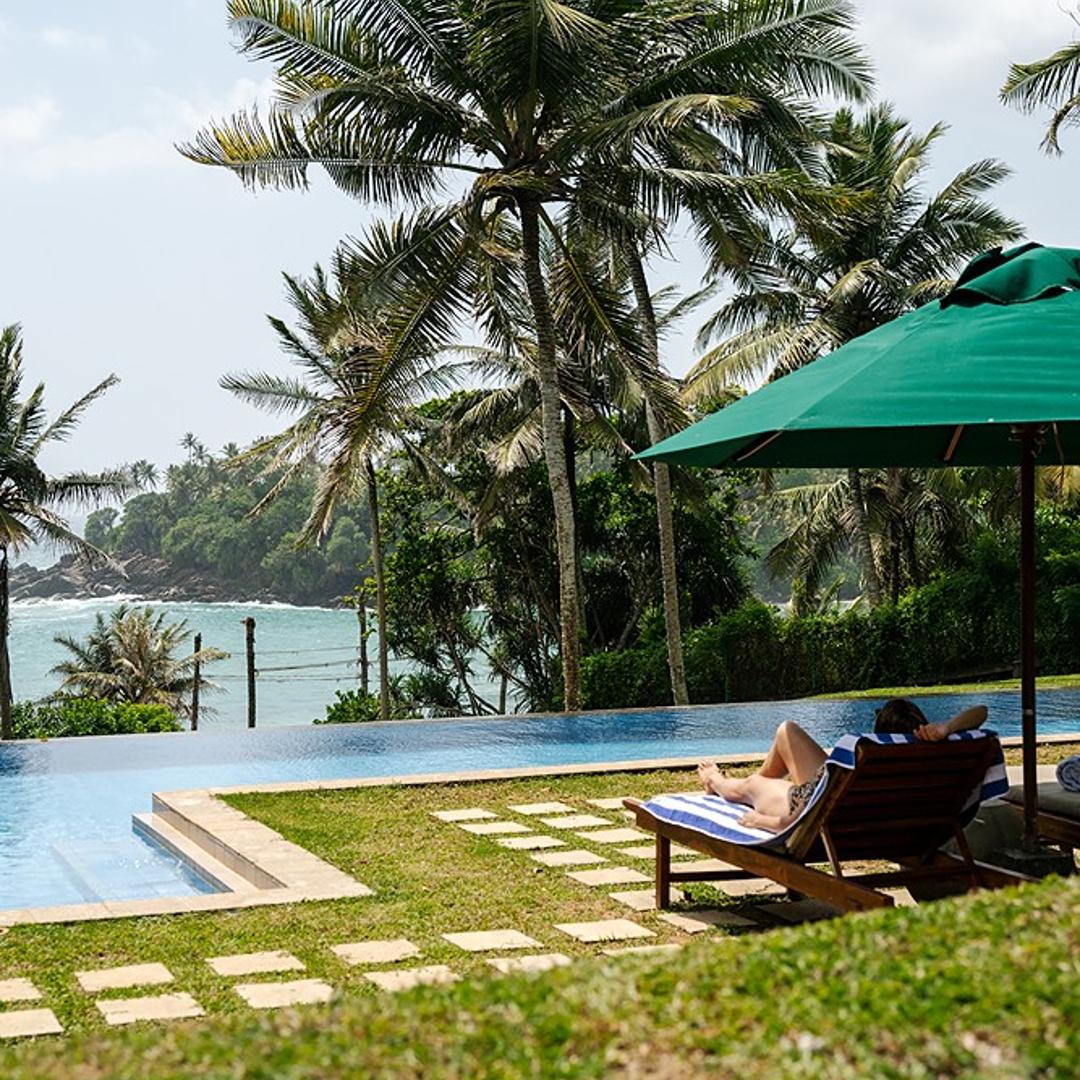
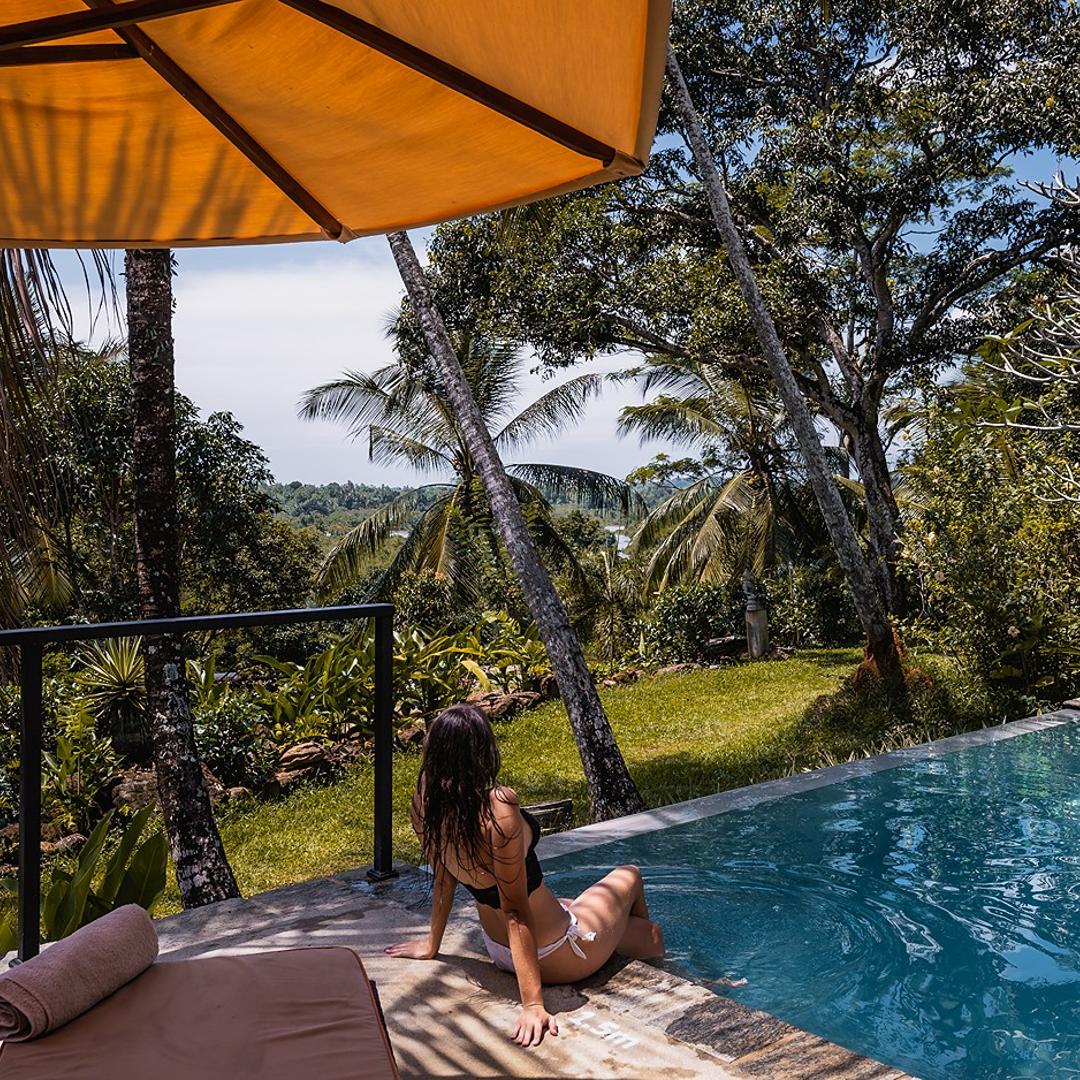
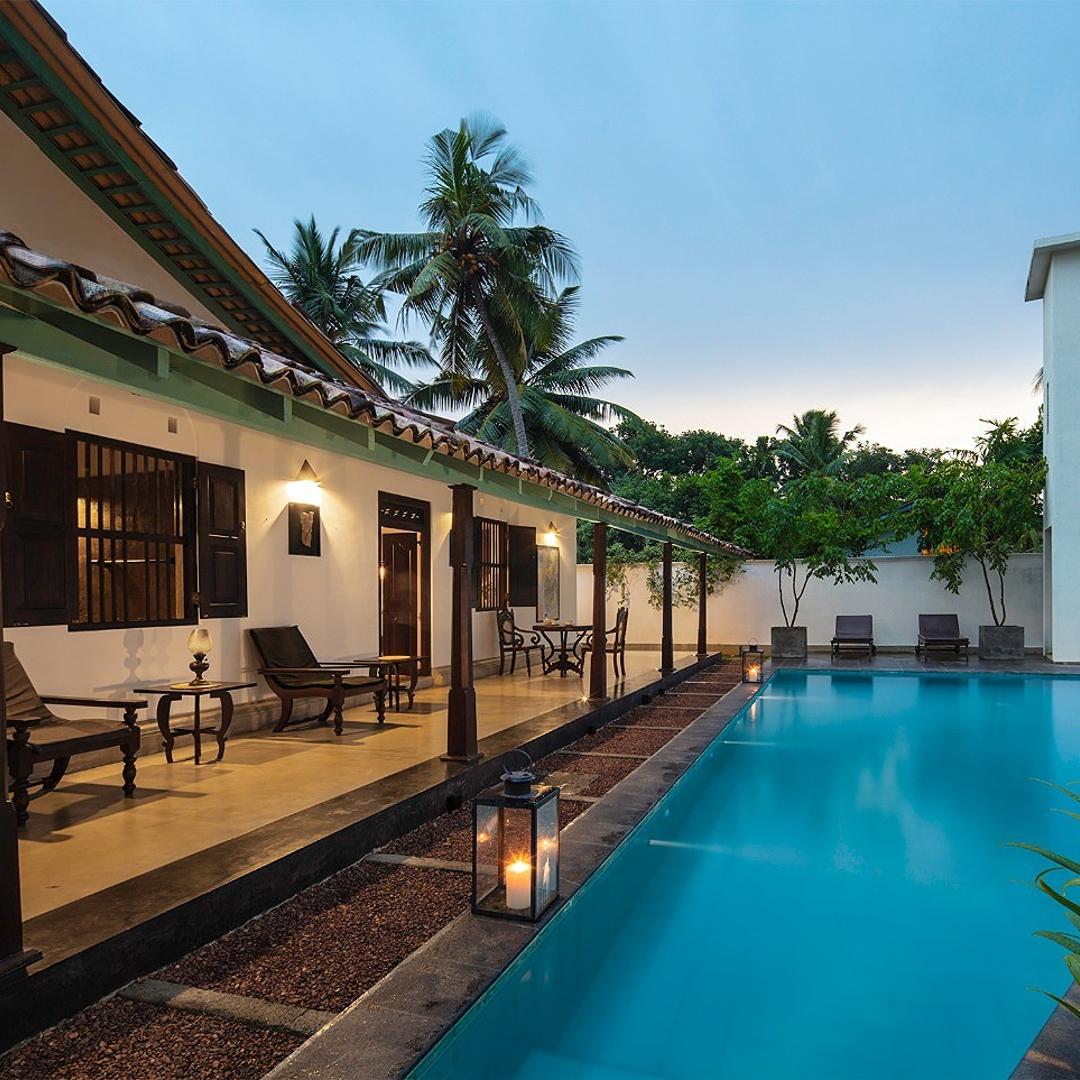
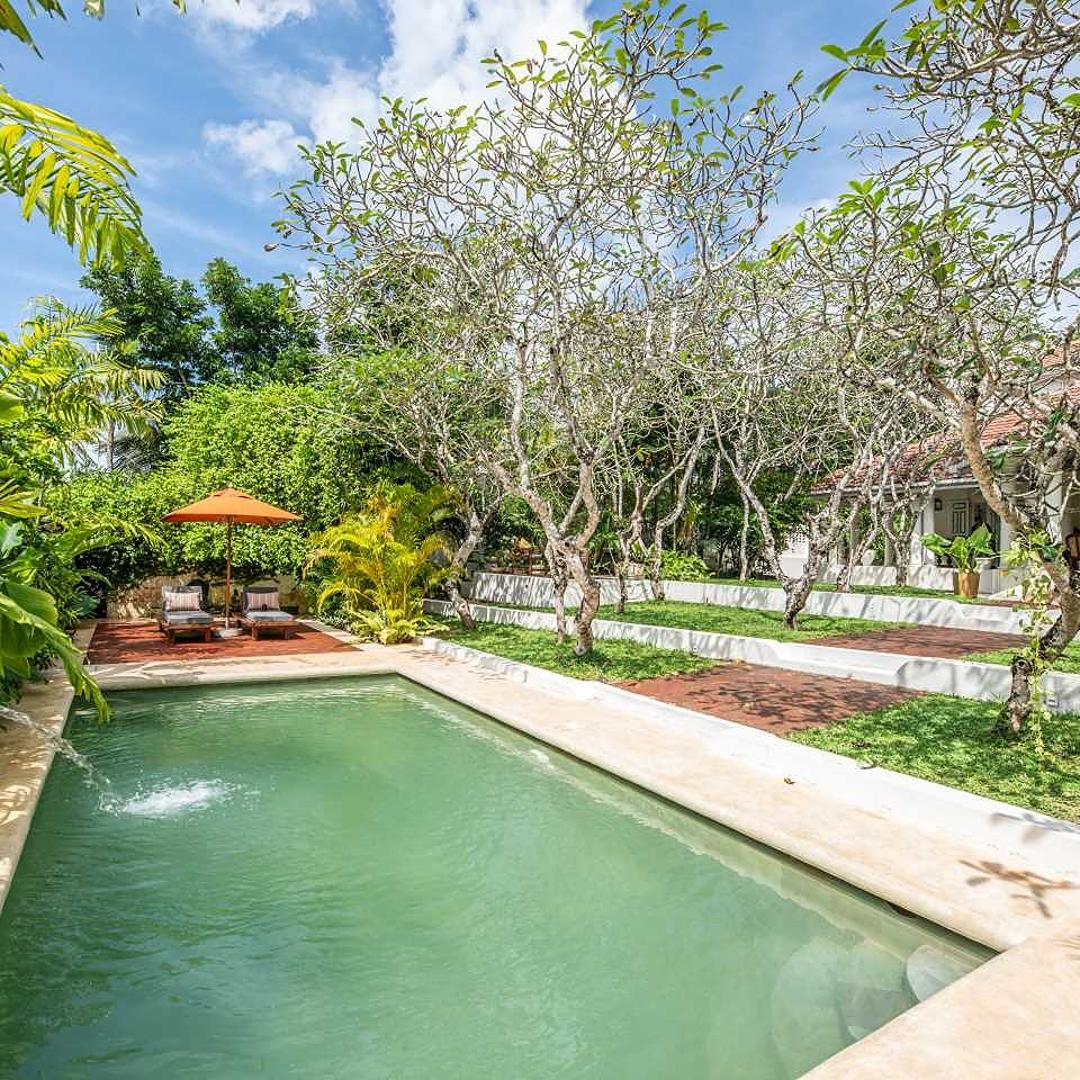
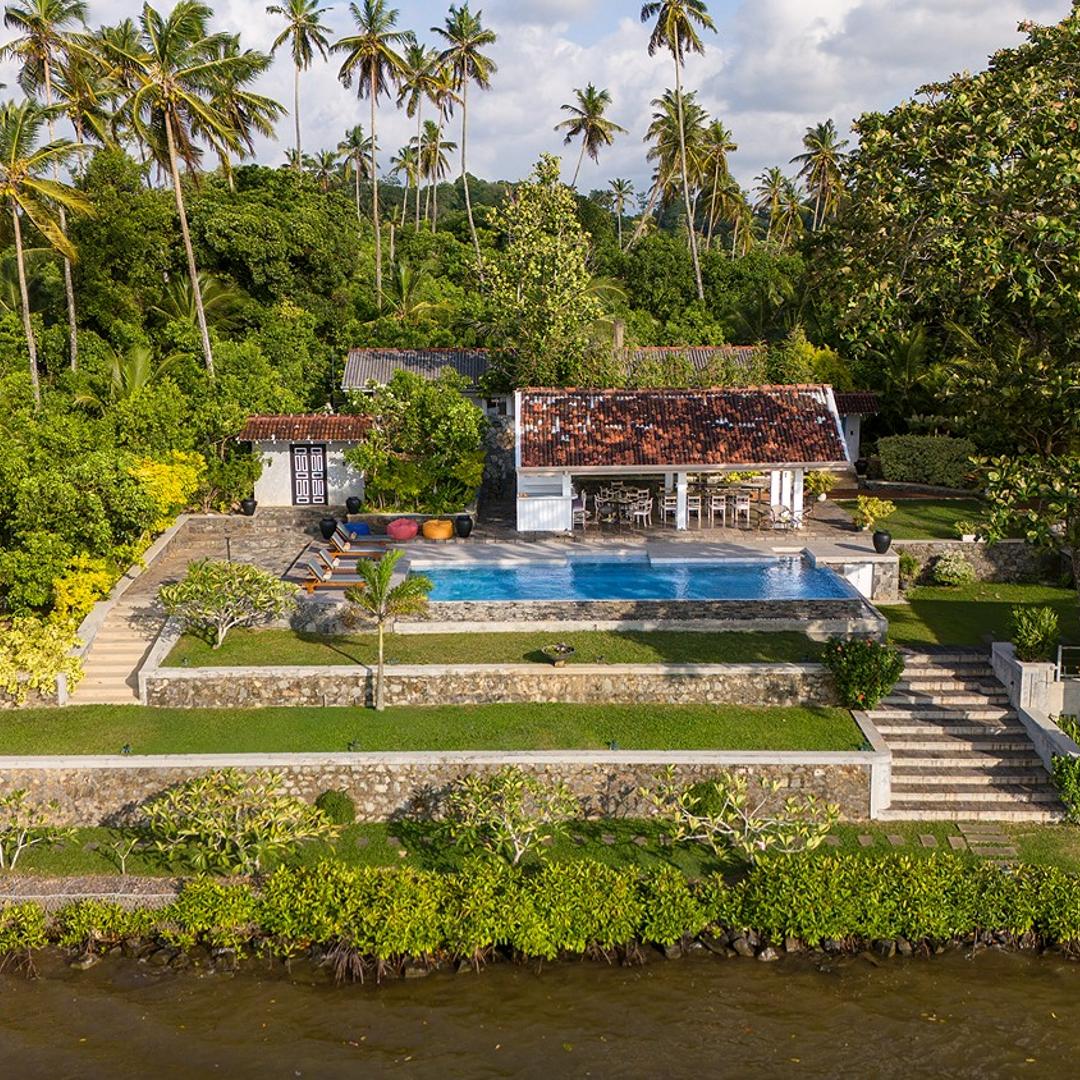
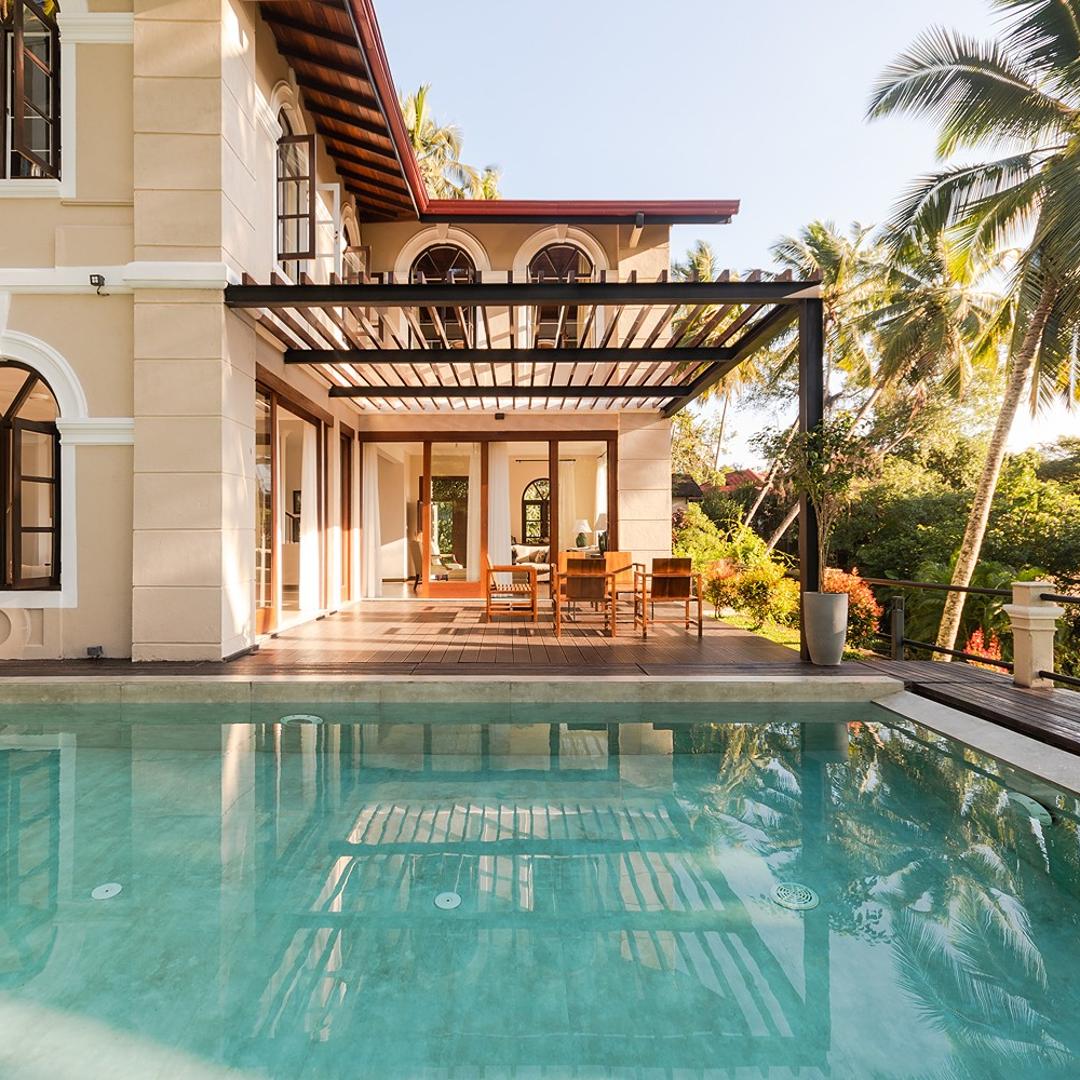
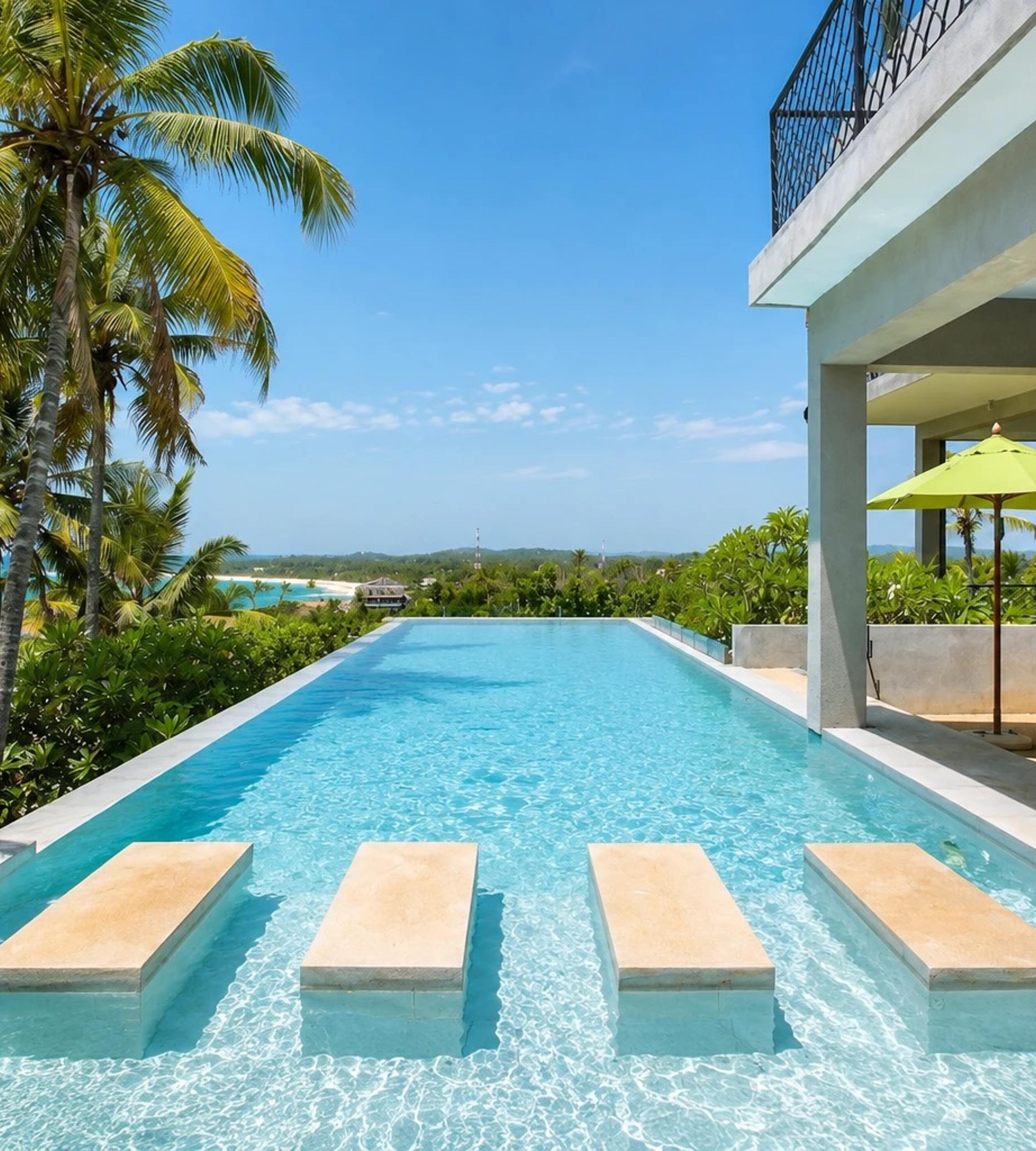
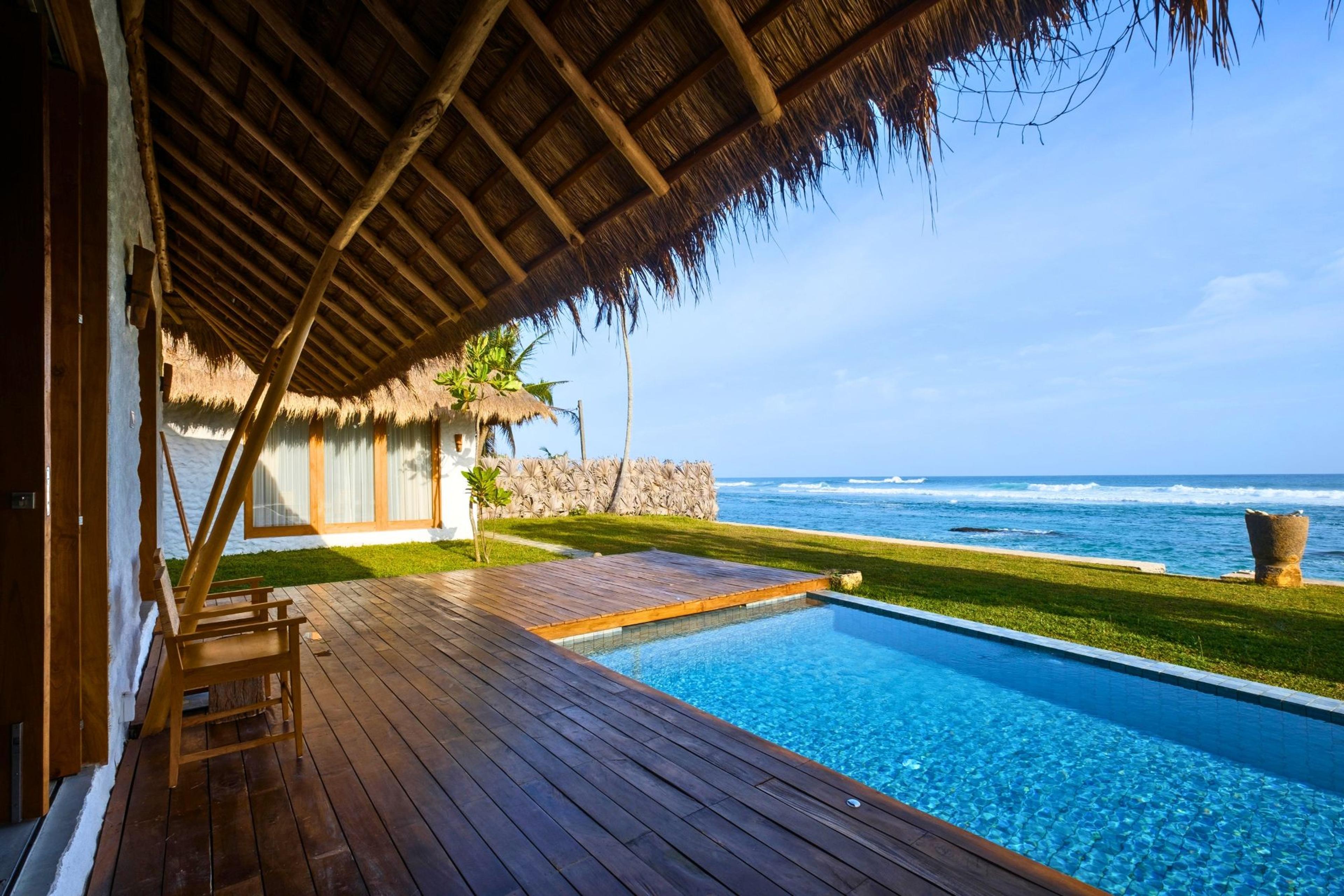
In a villa the pool sits in a garden that belongs to the house, and the house belongs to you for the week. Nobody is allocated a slot. There is no towel rule, no closing time, and no one else in the water at seven in the morning. The difference is not the pool so much as everything around it.

That is the whole claim of this page, so it is worth saying plainly what is not special about it: here a private pool is close to standard rather than an upgrade. Nearly every house we take on has one. What varies, and what is worth asking about, is the rest of this page.

62 villas with a private pool

Grouped by where they are, north to south, then inland and east

Private pool villas in Bentota, Balapitiya and the west coast

The closest stretch to the airport, and the easiest first or last night.

More about this area

Private pool villas in Unawatuna, Dalawella and Talpe

Gardens within reach of the Fort, which is where dinner tends to happen.

More about this area

Private pool villas in Ahangama, Midigama and Weligama

The surf coast, where a pool is what you use when the sea is working.

Private pool villas in Mirissa and Matara

The busiest of the southern beaches, and the quietest gardens behind them.

More about this area

Private pool villas in Dickwella, Hiriketiya and Tangalle

Further from everything, which is usually the point.

Private pool villas in Galle and inside the Fort

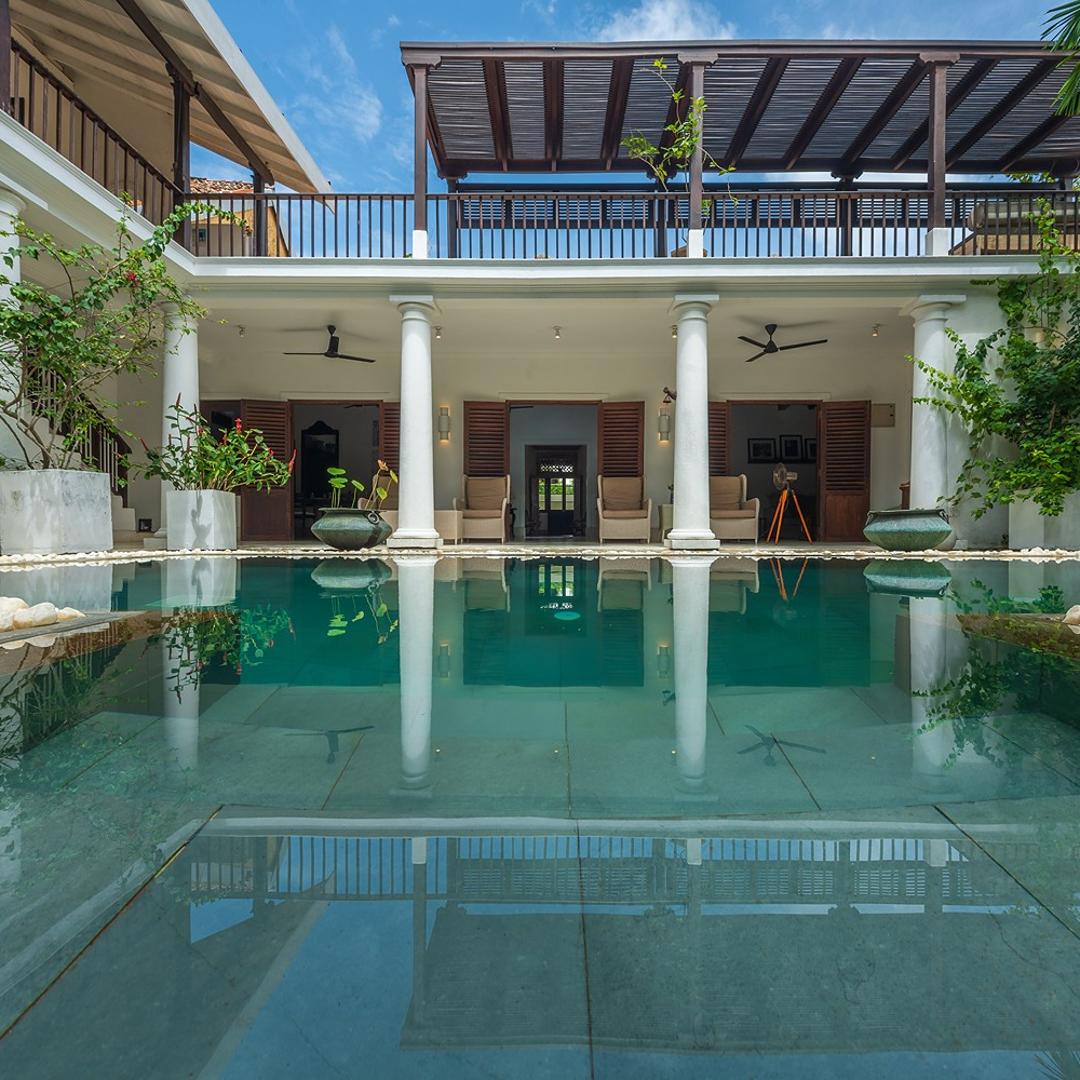
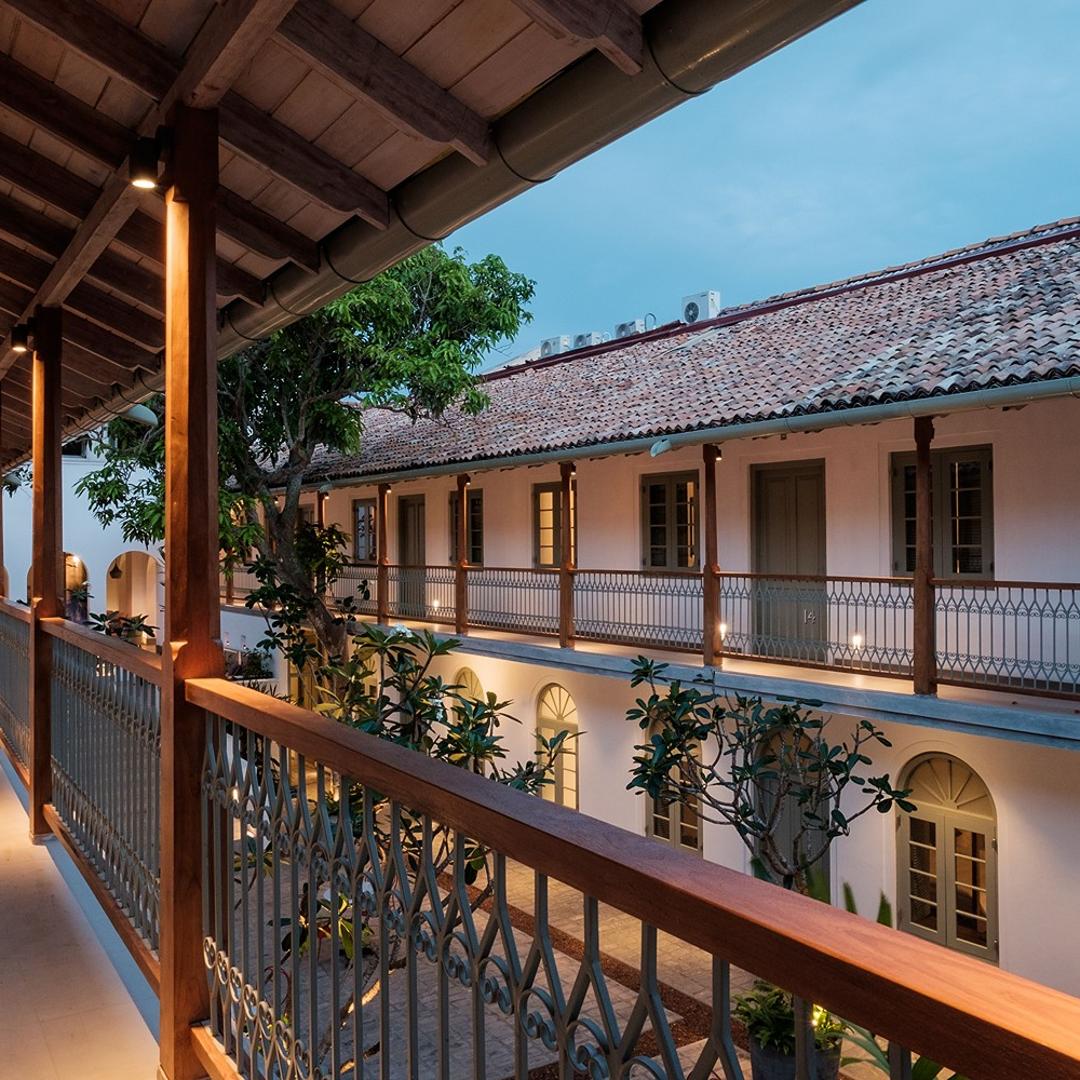
Courtyard pools behind the ramparts, where space is the scarce thing.

More about this area

Private pool villas in the tea country and the hills

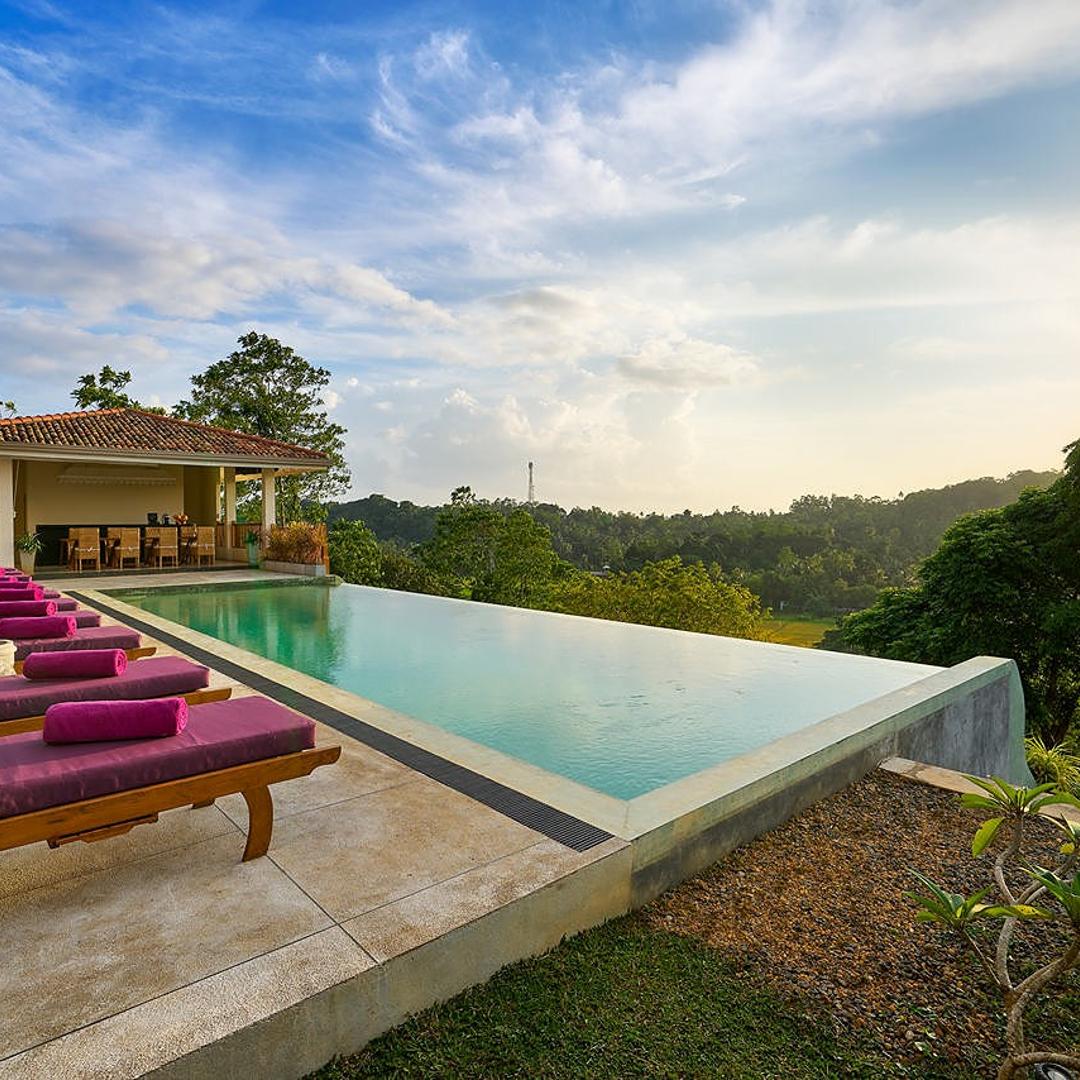
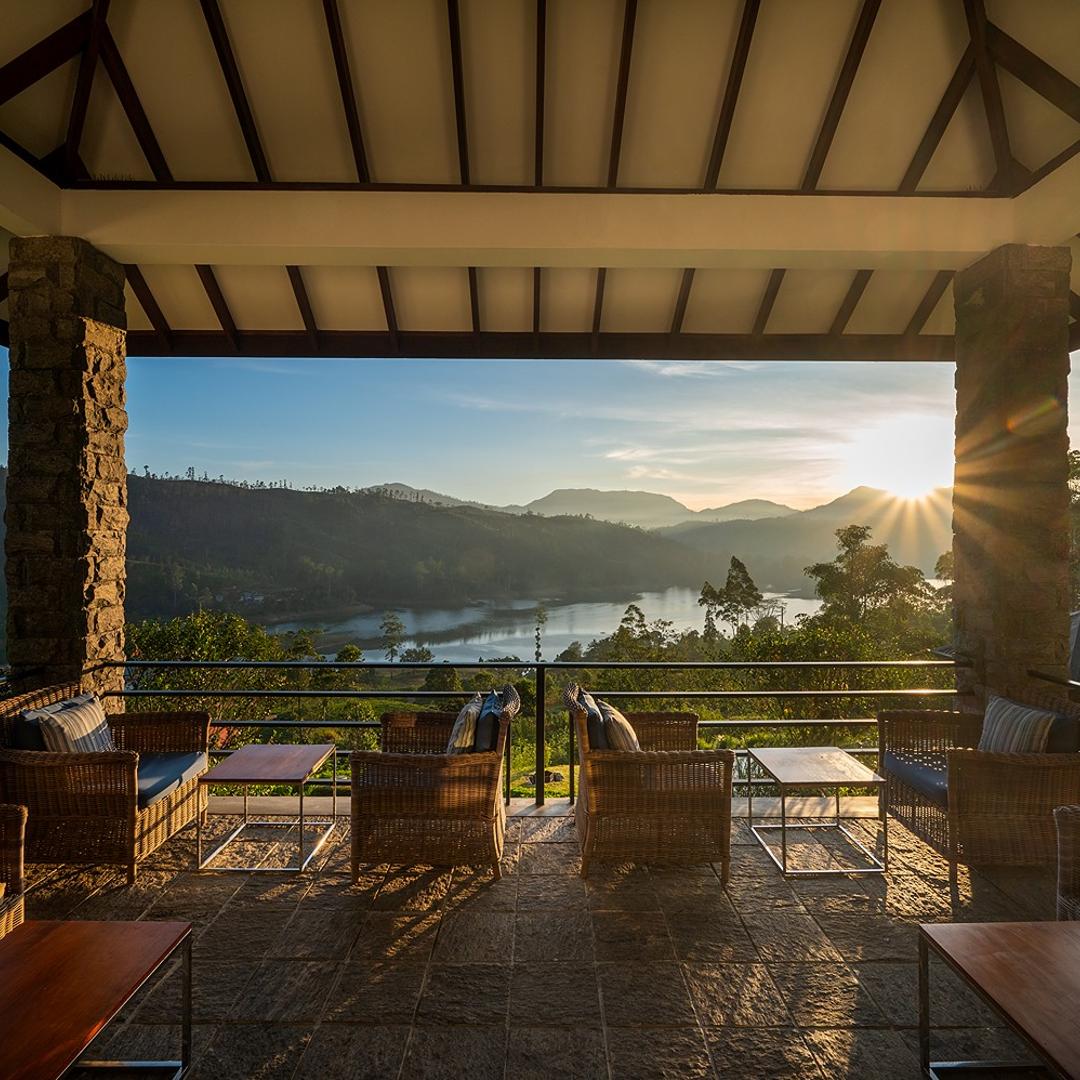
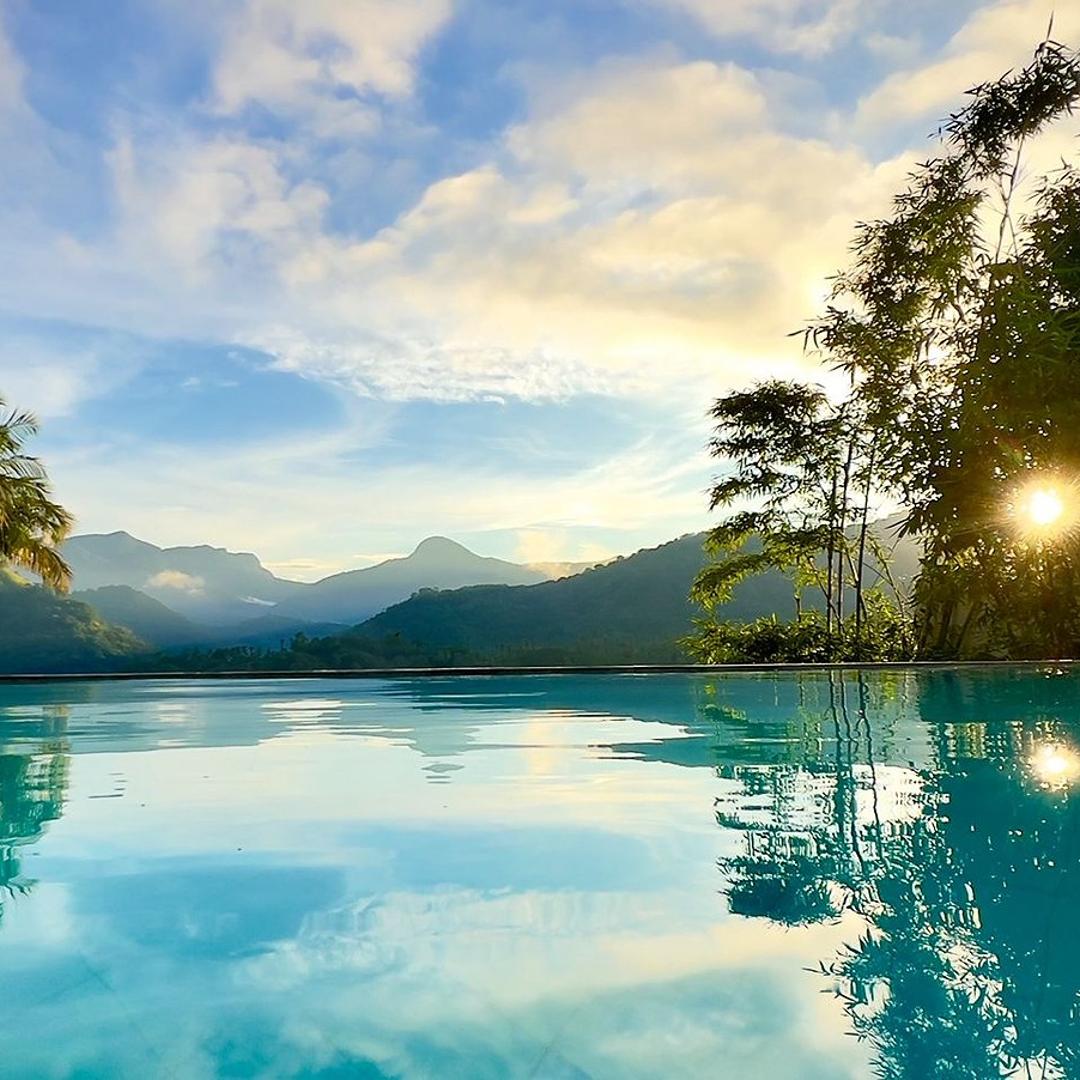
Cool year round, which makes the pool a view as often as a swim.

Private pool villas at Arugam Bay

At its best from May to September, when the south coast is not.

What actually differs between one pool and the next

Photographs flatten all of this, and none of it is in a listing. These are the questions worth asking before you book, in roughly the order they matter.

Shade. A pool in full sun on the south coast is unusable between about eleven and three, which is exactly when children want to be in it. Ask what shades it in the afternoon and from which side.

Depth and shape. Some are swimming pools you can do lengths in, some are cooling-off pools. If one of you intends to swim properly rather than stand in water, that is worth settling in advance.

Salt or chlorine. More of these are saltwater than you would expect, which most people prefer on the skin and some people notice immediately.

Fencing. Very few villas here have fenced pools, and the gardens usually run straight to the water. If you are travelling with a child who cannot swim, ask us first and we will tell you which houses are sensible rather than letting you find out on arrival.

Heating. Rare, and rarely needed on the coast. In the hill country it matters: a tea estate pool in January is cold enough that most guests look at it rather than swim in it.

The pool is not the thing that decides your week

Nearly every house on this page has one, so a pool cannot be the thing you choose between them on. The coast and the month can.

Two monsoons cross the island in opposite directions. The south and west coasts, from Wadduwa down through Galle and round to Tangalle, are at their best from roughly December to March. From about May to September the south west monsoon turns that coast rough, and the east, which means Arugam Bay, is at its calmest and sunniest in exactly those months.

A pool is useful in either season, which is the quiet argument for a villa over a beach hotel in the shoulder months. When the sea is too rough to swim, a house with its own water is still a house with its own water. It is the reason some guests deliberately book the south coast in July and stay in the garden.

The hill country keeps its own weather and is cool all year. Pools up there are for looking at in January and swimming in around midday from about March onwards.

Who looks after it, and what that means day to day

Almost every villa here is staffed, and the pool is part of what the staff keep. Someone skims and tests it, usually in the morning before anyone is up, and you will rarely see it happen.

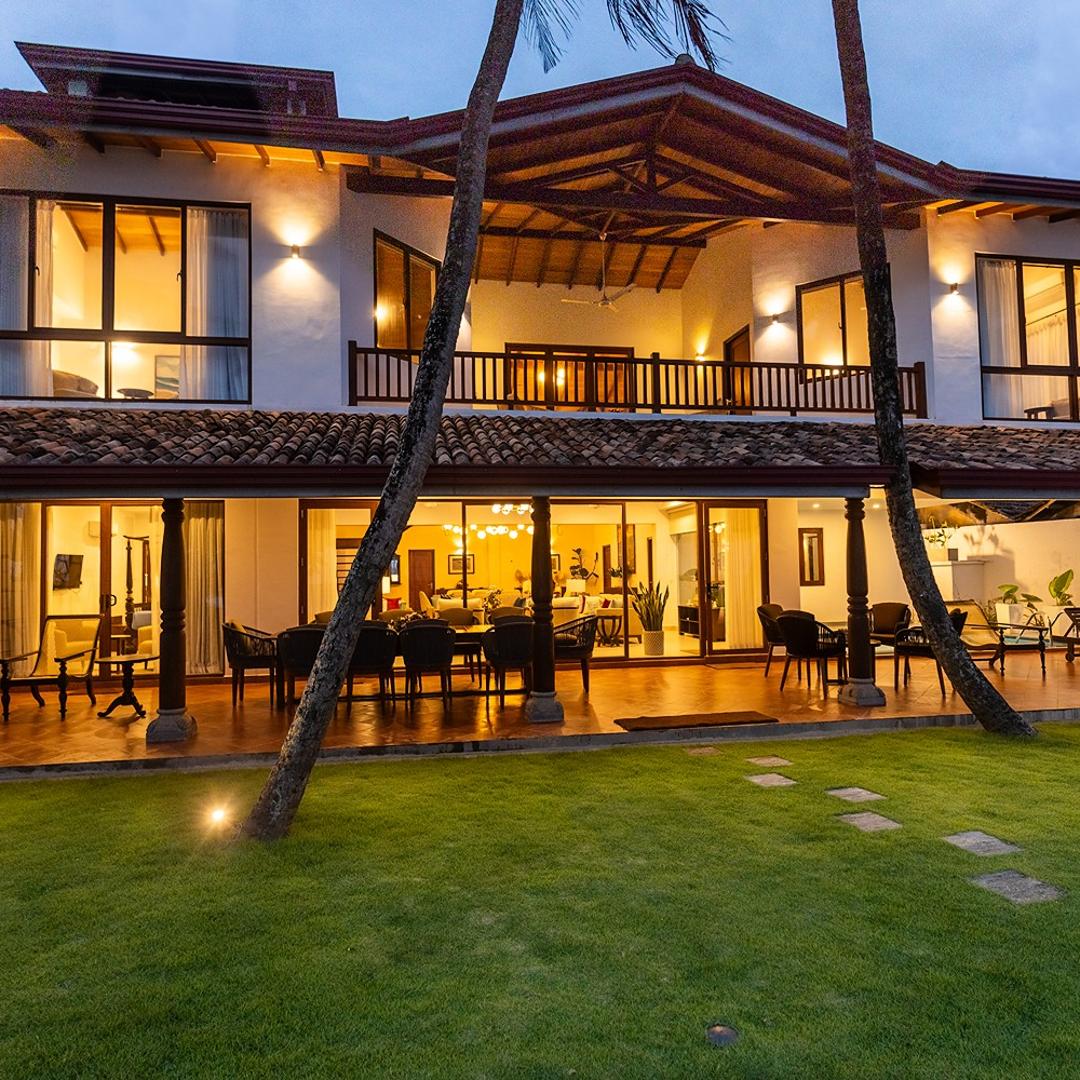
What that buys beyond clean water is the thing guests mention afterwards: breakfast at the edge of it at the hour you choose, lunch brought out without anyone being asked twice, and the water left alone the rest of the day. At the larger houses the staff live in a separate annexe and the garden is genuinely yours between meals.

Two things vary house to house and are worth asking rather than assuming: whether the pool is overlooked from any neighbouring building, and whether there is a shallow end or a step a small child can stand on. Both are the kind of detail a photograph will not tell you and we can.

Not sure which house, or which month?

Tell us who is swimming and we will shortlist the houses

Whether anyone is doing lengths, whether a child needs a shallow end, whether the pool needs shade by two in the afternoon. These are the things that separate one house from the next here, and none of them are in a photograph. Tell us and we will come back with the handful that fit.

Start an enquiry

Frequently asked questions

What guests ask before booking a house with its own pool.

Do all your villas have a private pool?

Very nearly all of them, which is why this page is close to the whole collection rather than a shortlist. A handful of houses do not, usually older properties inside Galle Fort where there is no garden to put one in. If a pool is non-negotiable, say so when you enquire and we will only send you houses that have one.

Is the pool really private, or shared with other guests?

Private, and that is the difference from most of what comes up when you search this. These are whole houses taken for exclusive use, so the pool, the garden and the terrace are yours for the length of the stay. Nobody is allocated a time slot and there is no one else in the water.

Are the pools safe for young children?

That depends on the house and it is the one thing we would rather you asked than assumed. Very few villas here have fenced pools, and gardens often run straight to the water's edge. Some houses have a shallow end or a broad step a small child can stand on and some drop away immediately. Tell us the ages and we will shortlist the ones that work and say plainly which ones do not.

Are the pools heated?

Usually not, and on the coast it is rarely an issue: the water sits at a temperature most people describe as warm rather than refreshing. In the hill country it matters more, because a tea estate pool in the cooler months is genuinely cold. Ask us about a specific house and we will tell you whether it is heated and whether you will want it to be.

Can we swim in the pool on the day we arrive and the day we leave?

Normally yes. Check-in is usually in the early afternoon and check-out in the morning, and most villas will hold luggage and let you use the garden and the pool either side of that if the house is not changing over the same day. It is worth asking when you book rather than on the morning you leave.

Does someone clean and maintain the pool during our stay?

Yes. The villa team skims and tests it as part of the daily routine, almost always early, and it is one of the things that quietly separates a staffed house from a rental. You are not expected to do anything, and you should not be aware of it happening.

The Haven Journal

Your insider guide to Sri Lanka; where to go, what to savour, and how to experience the island like you actually live here.

Connect Beyond Your Stay

Follow us for timeless inspiration, thoughtfully curated escapes, and the beauty of slow, meaningful travel.

Follow Us on Instagram