What “chef included” includes, and what it does not

It means the cook, not the food. Their time, their skill and their work in the kitchen come with the house and are already in the nightly rate. What you buy is the shopping, at the price the market charges that morning.

That distinction is the whole thing, and the reason it is worth stating plainly is that the phrase reads like full board and catches people out at the end of the week otherwise. Once it is clear, the arrangement is usually the part of the holiday guests talk about afterwards. It is also, in practice, a long way cheaper than eating out for every meal, which is the opposite of what most people assume when they hear the word chef.

The rest of this page is how the money moves, what tends to get cooked, and the handful of things worth settling on the first morning rather than the third.

64 villas where someone cooks

Grouped by where they are, north to south, then inland and east

Villas with a chef in Bentota, Balapitiya and the west coast

The closest stretch to the airport, and the easiest first or last night.

More about this area

Villas with a chef in Unawatuna, Dalawella and Talpe

Close enough to the Fort that half your dinners can be out if you want.

More about this area

Villas with a chef in Ahangama, Midigama and Weligama

The surf coast, where breakfast tends to happen twice.

Villas with a chef in Mirissa and Matara

Fish off the boat in the morning, which is the argument for eating in.

More about this area

Villas with a chef in Dickwella, Hiriketiya and Tangalle

Far enough from a restaurant that a cook stops being a luxury.

Villas with a chef near Yala National Park

Breakfast before a dawn drive, and lunch waiting when you get back.

Villas with a chef in Galle and inside the Fort

The one place on this coast where dinner out is a walk.

More about this area

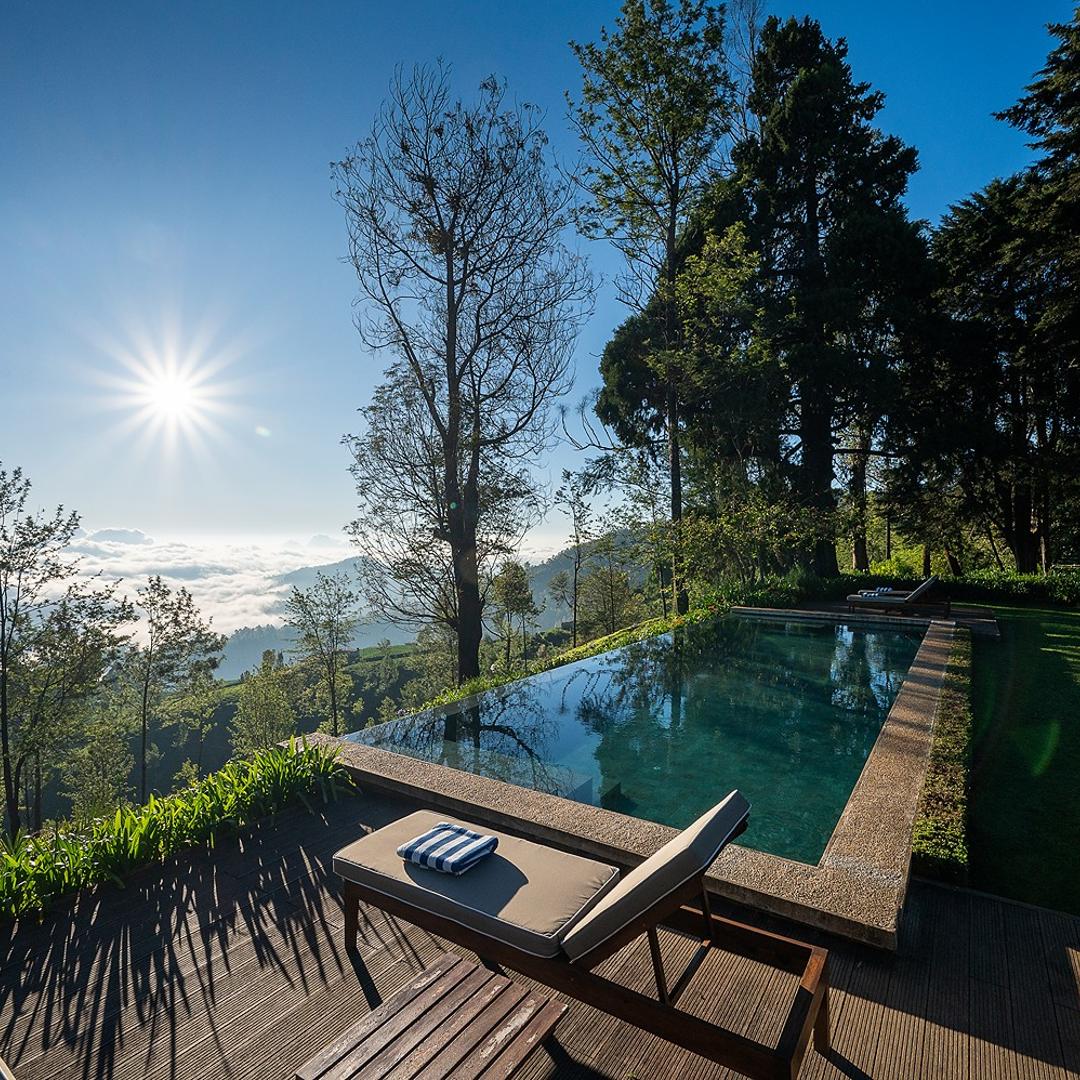
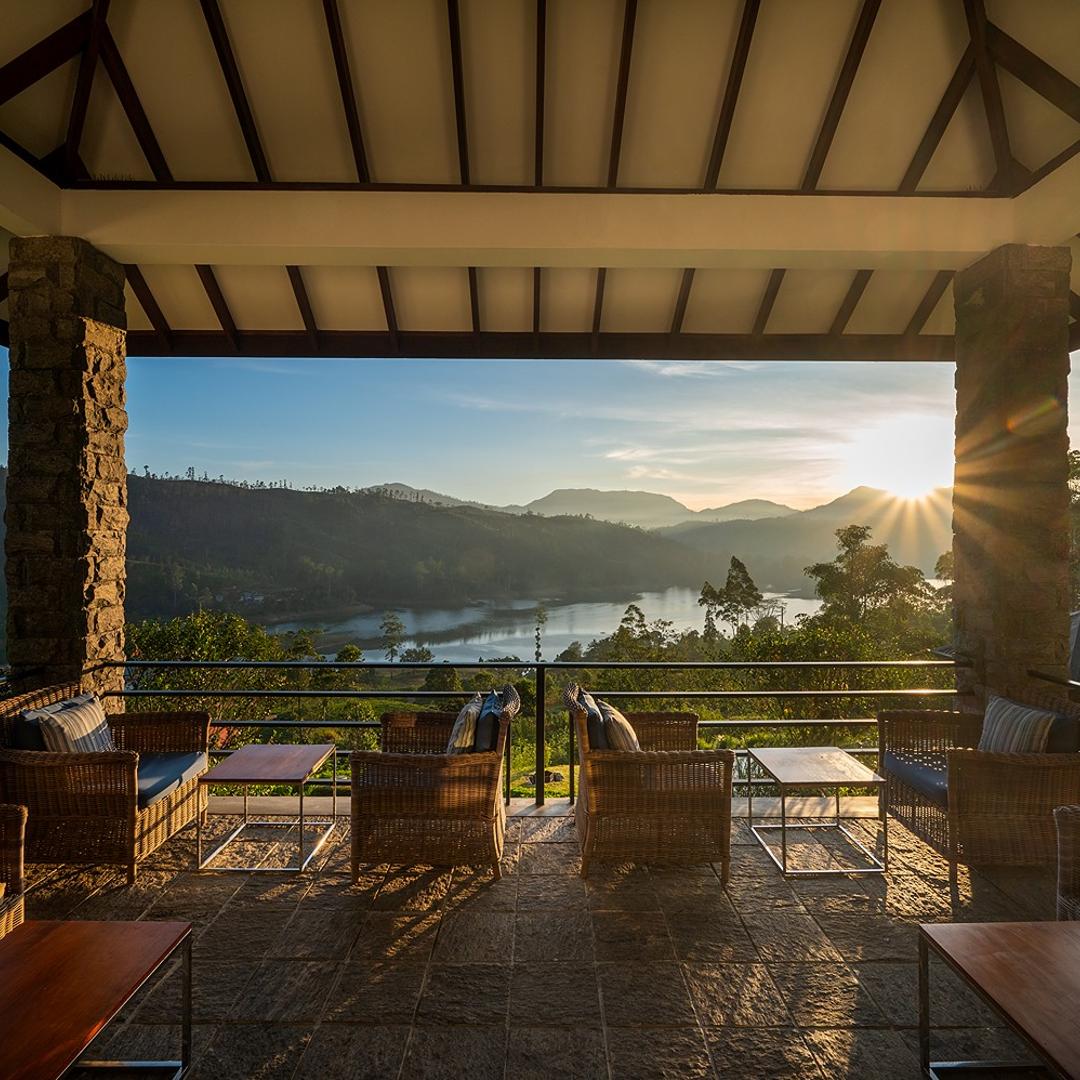
Villas with a chef in the tea country and the hills

Cold mornings, and a kitchen that knows what to do about them.

How the food money actually works

Most houses here run what is called a float, and it is simpler than it sounds. You hand over an amount at the start, the cook shops with it, and you get the receipts and the change. Food is bought at market price, topped up when it runs low, and settled at the end. Many villas add a small sum for the trip to the market, which is reasonable and should be stated up front.

A few houses run a menu instead, with fixed prices per dish, which some guests prefer because there is nothing to reconcile. Neither is better. They are different ways of doing the same thing and the villa page or our team will tell you which one a house uses before you book.

What surprises people is the total. Fish bought off the boat in the morning and vegetables from a local market cost a fraction of what the same meal costs in a restaurant, and the labour is already paid for. Guests who arrive braced for an expensive week tend to eat better and spend less than they planned.

Two things worth knowing rather than discovering: drinks are usually bought the same way and can quietly become the larger half of the bill, and a request for something unusual may mean a longer trip to a bigger town, which is normally fine if it is not asked for at six in the evening.

What gets cooked

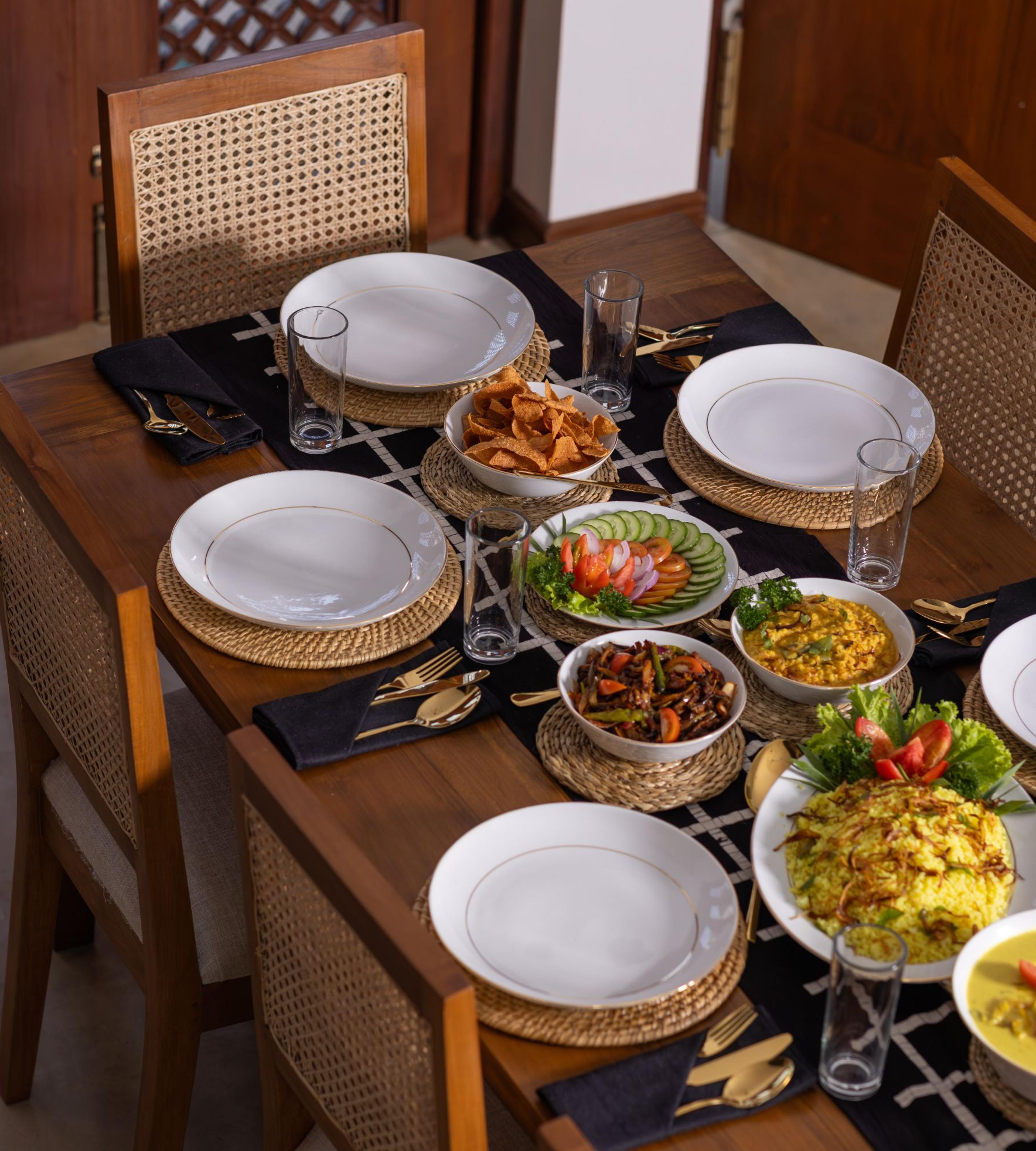
Left to their own devices, most villa cooks here will produce Sri Lankan rice and curry, and it is almost always the best thing you will eat all week. Not one curry but a spread of small dishes: dhal, a coconut sambol, something with jackfruit or beetroot, a fish or chicken curry, papadum. It is worth asking for this on the first night rather than saving it.

Beyond that the range is wider than people expect. Crab when it is good, prawns, whole fish on a grill, hoppers for breakfast if you ask the night before. Western cooking is well within scope and usually competent, though it is not what anyone should come here for.

Dietary requirements are straightforward and worth stating at the time of booking rather than on arrival. Vegetarian cooking is native to the cuisine and excellent. Vegan is easy. Gluten free needs a word in advance because rice flour and wheat flour both sit in the kitchen. Allergies should be told to us in writing so they reach the house before you do.

If there are children, say so early. Most cooks will quietly put aside something plain alongside the grown-up food, and the ones who know in advance do it better.

The things worth agreeing on the first morning

Five minutes on the first day saves the whole week being slightly out of step. The cook would rather be told than guess.

Meal times. Breakfast at the hour you want rather than the hour that is assumed, and whether lunch is happening at all. Plenty of guests skip it and nobody minds, but the shopping is done in the morning.

Tomorrow's dinner, today. The market is a morning errand. A request made at breakfast is easy and the same request made at five is a scramble, which is the single most common cause of a disappointing meal in a house like this.

Changing your mind. A meal ordered in the morning can usually be moved to the following day without ceremony, since the shopping keeps. Cancelling it after it has been cooked is a different thing, and the polite answer is to eat it cold the next day rather than waste it.

How much they cook. Sri Lankan hospitality runs to generosity, and the default is more food than most parties can eat. Saying so is not rude and will be taken as useful.

Spice. Cooks tend to dial it down for guests by default. If you want it as they would eat it, say so, and say it on the first day rather than the last.

Evenings off. If you want the house entirely to yourselves one night, dinner can be left prepared. Ask early, because it affects what gets bought.

Tell us how you like to eat

Say what the week looks like and we will match the house to it

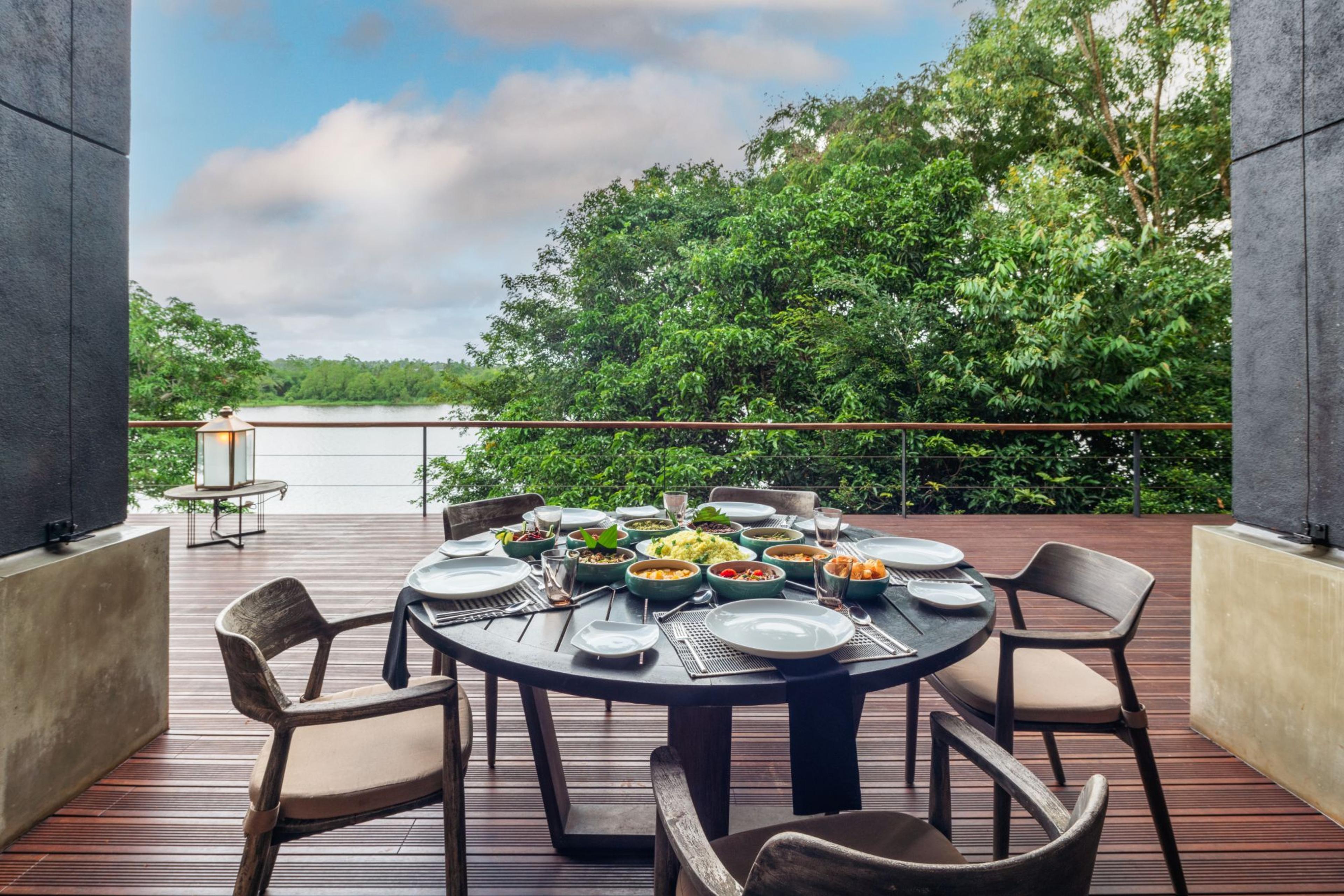
Whether you want rice and curry every night, whether anyone has an allergy the kitchen needs to know about, whether you would rather be out for half the meals. The cooking is where these houses differ most and least visibly, and it is the part we can tell you about properly.

Start an enquiry

Frequently asked questions

What guests ask before booking a house with a cook.

Is the chef really included in the price?

The cook is, yes. Their time and their work are part of the nightly rate and there is no separate charge for having them. What is not included is the food itself, which is bought on your behalf at market price. That is the distinction worth understanding before you arrive, because the phrase sounds like full board and is not.

How do we pay for the food?

Most houses run a float: you hand over an amount at the start, the cook shops with it and gives you the receipts and the change, and it is topped up as needed and settled at the end. Some villas use a fixed menu with prices per dish instead. We will tell you which applies to a particular house before you book.

How expensive is it to eat at the villa?

Considerably less than eating out for every meal, which is the opposite of what most people assume. You are paying market prices for fish, vegetables and rice rather than restaurant prices, and the cooking itself is already covered. Drinks are the line that tends to surprise people, since they are usually bought the same way.

Can the chef cook for dietary requirements?

Yes, and it is worth telling us at the time of booking so it reaches the house before you do. Vegetarian cooking is native to Sri Lankan food and very good. Vegan is straightforward. Gluten free needs notice. Anything that is a genuine allergy rather than a preference should be given to us in writing so there is no ambiguity in the kitchen.

Do we have to eat every meal at the villa?

Not at all, and most guests do not. Breakfast at the house and dinner out a few nights is a common pattern, particularly near Galle Fort where dinner is a walk rather than a drive. Telling the cook in the morning which meals you want that day is all that is needed.

Can we have the house to ourselves in the evening?

Usually yes. Dinner can be left prepared so you serve yourselves and the staff are gone, which is worth arranging on the first morning rather than the afternoon of the day you want it. What varies house to house is whether anyone sleeps on site, and we can confirm that for any villa you are considering.

Should we tip the chef and the villa staff?

It is customary and it is appreciated, and it is almost always done at the end of the stay rather than meal by meal. Most guests leave a single sum for the whole team rather than tipping individuals, since the cook, the housekeeper and the villa manager have all been part of the week. There is no fixed percentage and nobody will raise it with you. If you would like a sensible figure for a particular house and the size of its team, ask us and we will tell you plainly rather than leaving you to guess.

Can we cook for ourselves if we want to?

Yes. Almost every house here has a kitchen you are welcome to use, and plenty of guests make their own breakfast or a late snack without involving anyone. Say so on the first morning so the cook is not waiting on you, and bear in mind the kitchen is their workplace for part of the day. If self-catering is the plan for most of the week rather than the occasional meal, tell us and we will point you at the houses with the better equipped kitchens.

The Haven Journal

Your insider guide to Sri Lanka; where to go, what to savour, and how to experience the island like you actually live here.

Connect Beyond Your Stay

Follow us for timeless inspiration, thoughtfully curated escapes, and the beauty of slow, meaningful travel.

Follow Us on Instagram